Stories of technical innovation - Neakivaizdinis Vilnius
Eiti prie pagrindinio turinio
Neakivaizdinis Vilnius Neakivaizdinis Vilnius
History

Stories of technical innovation

From Vilnius’ first light bulb to glimpses into space

Įrašo pavadinimas:

Cities are the places where technical innovations first make their way and take root. Scientific institutions, industry, the constant change of ideas, communication between cultures, developed infrastructure, and trade all occur in cities, and Vilnius is no exception.

The capital has often been the first city in Lithuania to receive the latest fashions in art and architectural styles, fresh scientific ideas, and the latest technologies. As the city developed, expanded, and modernised, iron constructions replaced wooden bridges, and electricity lit up the ‘age of the sapwood’; the telephone took over from the postman, and grand multi-storey buildings replaced modest wooden houses. It is important to remember that technical developments are accompanied by changes in everyday life, in the cityscape, and in people’s lifestyles and habits. 

We invite you to take a stroll along a route that introduces you to the most important and interesting objects that mark the technical development of Vilnius – witnesses of the constant change and modernisation of society. 

What will you learn/see on this route?

  • Where was the first light bulb lit in Vilnius?
  • What was the first book published in Lithuania about?
  • What were the challenges for a candidate to become a member of the first Lithuanian Guild of Craftsmen?
  • Which building in Vilnius was the first to receive central heating?
Start location

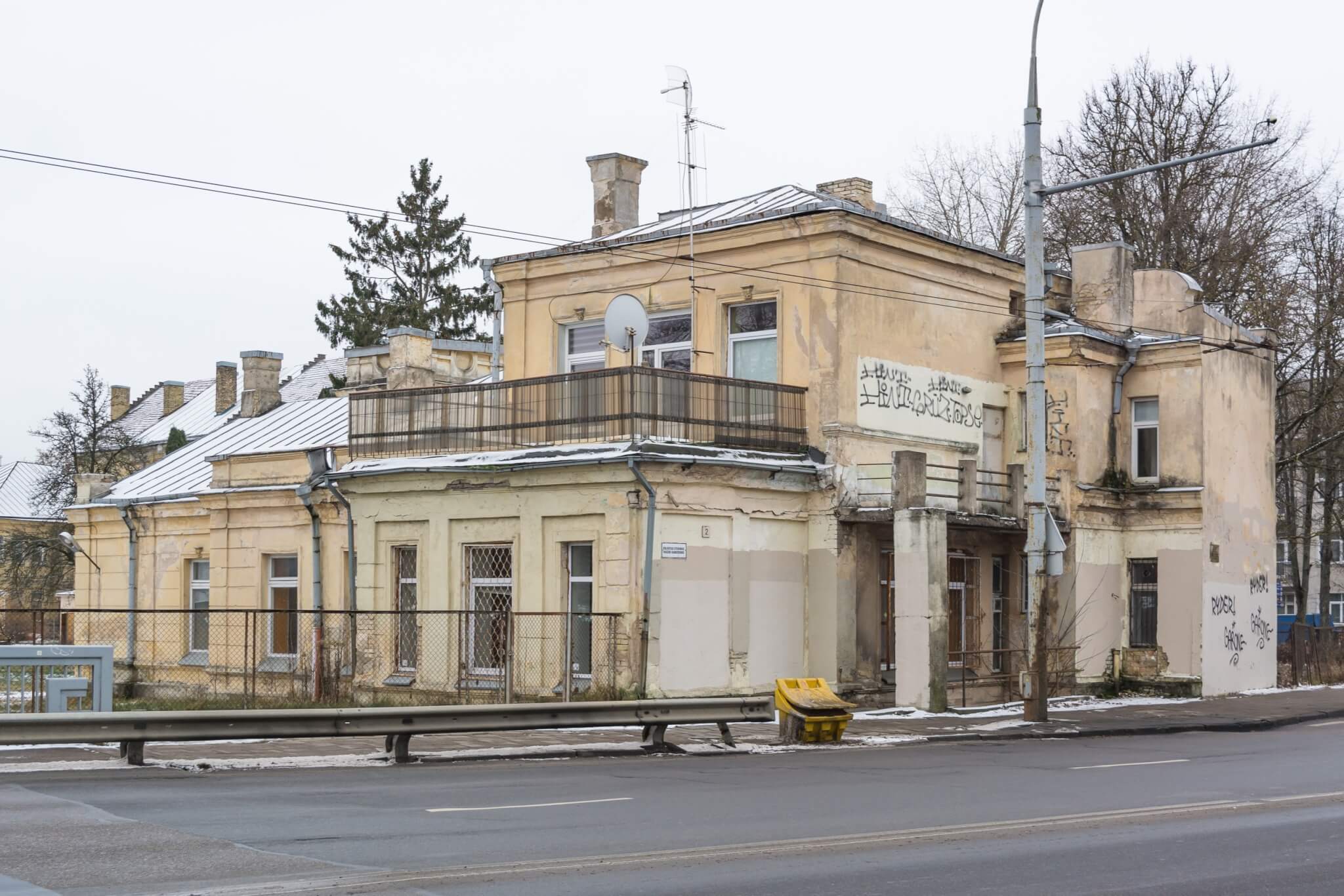
Žvėrynas radio station

Liubarto g. 2

Duration
2 h Without going inside
Distance
6,00 km
Means of travel
On foot
Terrain
Easy
Pet friendly
Additional information
  • Accessibility: manageable for people with reduced mobility and parents with children in pushchairs, but there are some challenging sections: between St. Anne’s Church and Vilnius University (from Objects 5 to 6) – Mykolo g., Literatų g., Pilies g., Skapo g., as well as from Gaono Street to Stiklių Street. Going uphill on Basanavičiaus Street can also be difficult due to the narrow pavements and cobblestones of the Old Town.
  • Pets allowed: yes, except for inside the Museum of Energy and Technology, Vilnius University Library, and Sereikiškės Waterworks (indoor areas).

Route prepared by the Museum of Energy and Technology

Photos Martyna Bakaitė

1. Žvėrynas radio station

The world’s first radio station was launched in Pittsburgh, USA, in 1920. Vilnius was only seven…

2. The first autonomous power plant in Vilnius

The first power plants in Vilnius, as in Lithuania, were private – installed for the personal needs…

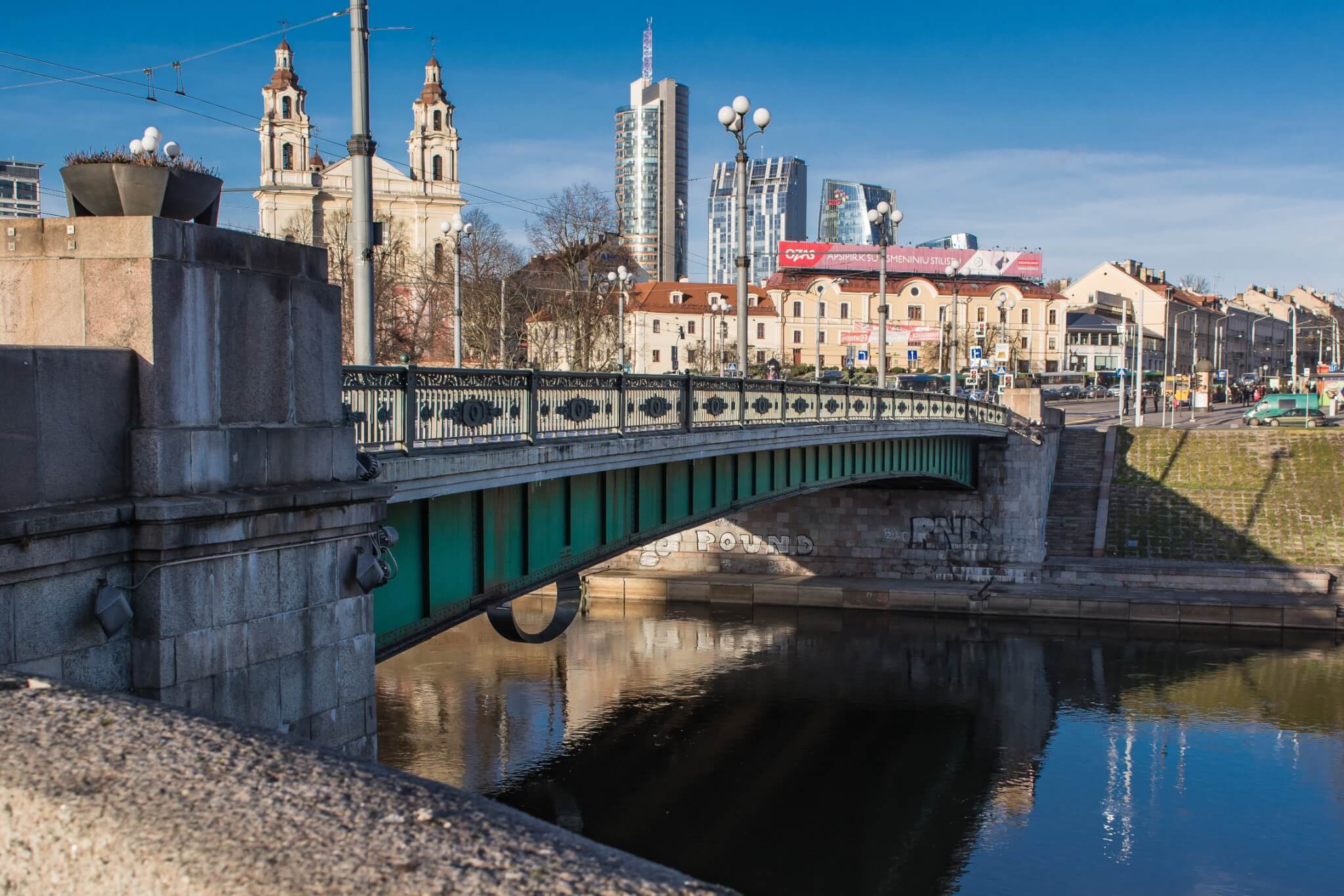
3. The Green Bridge

In the Middle Ages, the city of Vilnius began developing on the left bank of the Neris River, as it…

4. The Energy and Technology Museum

At the end of the 19th century, the Vilnius authorities began to promote the idea of replacing the…

5. Sereikiškių Waterworks

The Vilnius water supply system is the oldest in Lithuania, dating back to 1501 when Grand Duke…

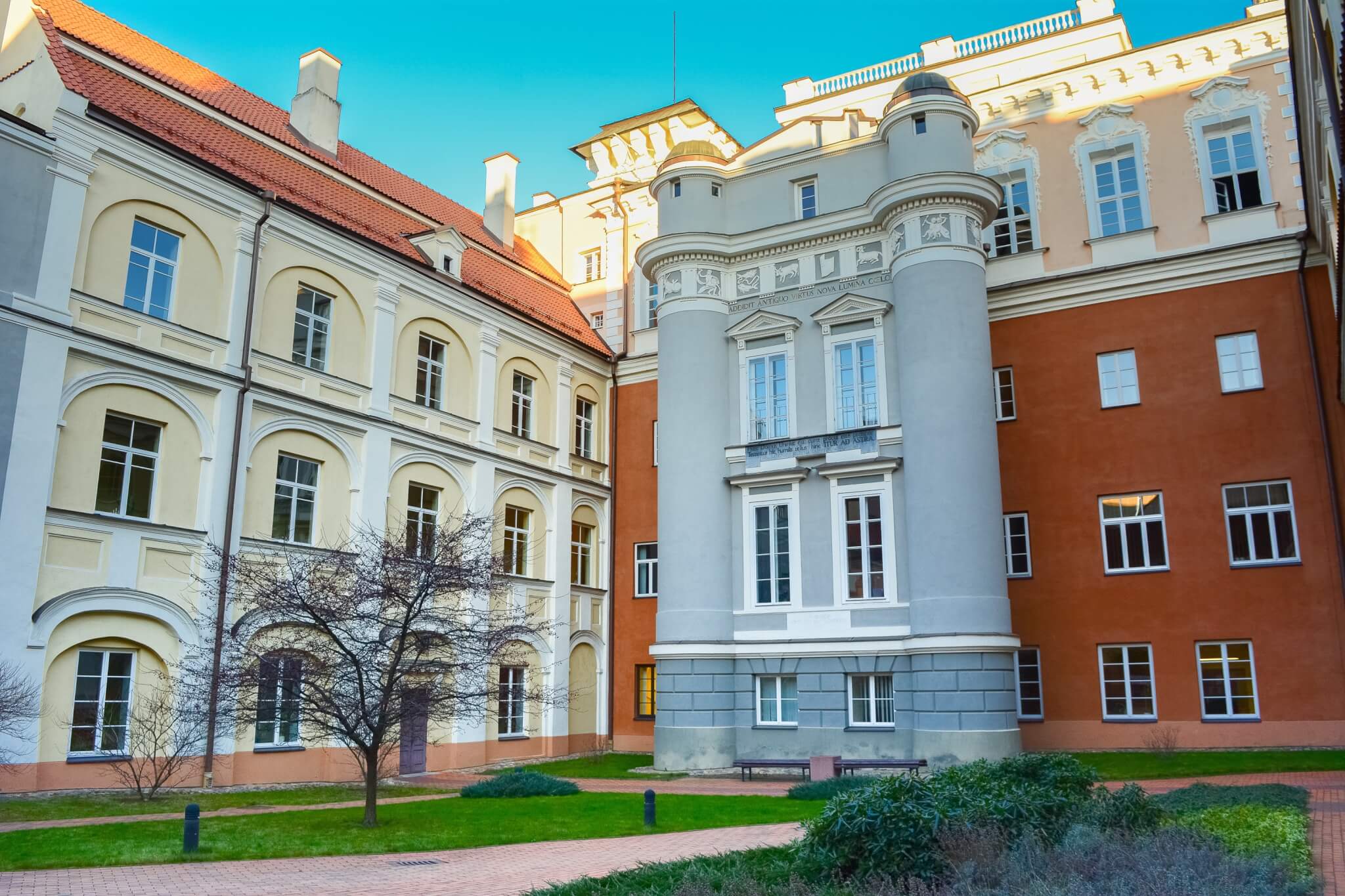
6. Vilnius University Astronomical Observatory

The Vilnius University Astronomical Observatory, founded in 1753, was the first astronomical…

7. The Palace of Cardinals (or The Post Office)

The first telephone exchange in Vilnius was installed in 1896 in the Vilnius Central Post Office,…

8. The House of the Goldsmiths’ Guild

The first craftsmen’s guilds in Western Europe began to emerge as early as the 10th and 12th…

9. The Francysk Skaryna Printing House

More than ninety years passed between the invention of the printing press by Johann Gutenberg in…

10. Polesie Railway Board House

It was not until the late 19th century that buildings over four storeys began to be built in the…

11. The first user of domestic central heating

During the Second World War, Vilnius was badly damaged, with 75% of its industry and 40% of its…