Šeškinė - Neakivaizdinis Vilnius
Eiti prie pagrindinio turinio
Neakivaizdinis Vilnius Neakivaizdinis Vilnius
Vilnius Districts studies

Šeškinė

From a village of 84 inhabitants to a micro-district of 30,000

The origin of the place name Šeškinė is not very clear. According to the opinion of the linguist Jonas Jurkštas, the area may have once belonged to a man with the surname Šeškas. Another version suggests that the place name Šeškinė may have been derived from a stream or lake with a similar name.

The first mention of Šeškinė (Šeškiniai) in historical sources is from the 14th century (1390). In the middle of the 16th–19th  centuries, the territory of Šeškinė – a village of wooden houses – belonged to the Radziwiłł family of noblemen of the Grand Duchy of Lithuania.

The hills of Šeškinė have always been used as a natural barrier for the defence of Vilnius. They have seen many battles, not only against the Crusaders, but also the Russian, Swedish, and French armies, as well as witnessing the 1794 Uprising and many other historical events. From a village of 84 inhabitants to a micro–district of more than 30,000, these were the changes that awaited Šeškinė in the 20th century.

The route will surprise those who have so far only associated the name of Šeškinė with a transport stop on the way to some major shopping centres.

What you’ll learn/see on the route:

  • Where was the village that the neighbourhood was named after?
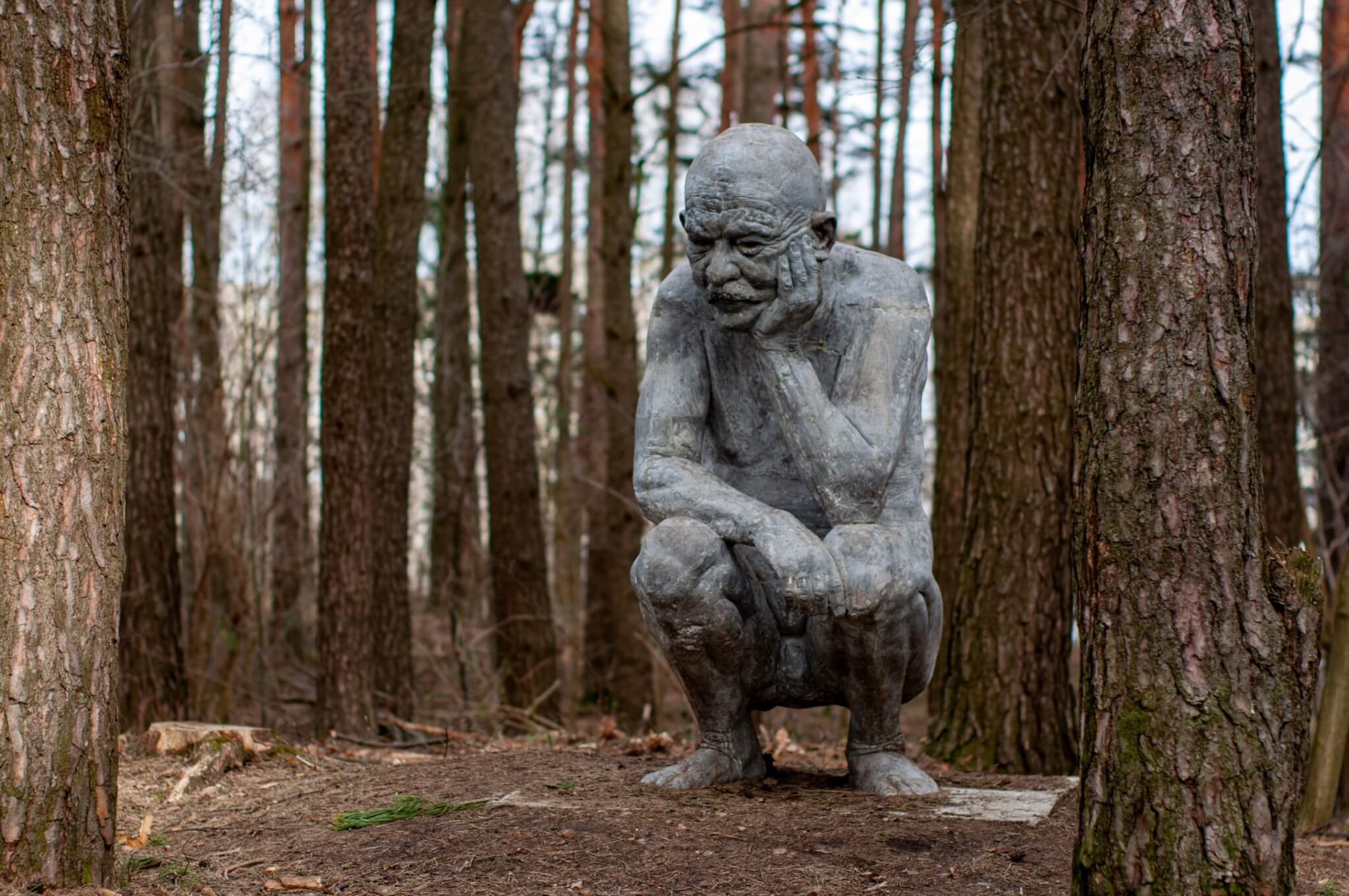
  • Which forest are the sculptures by M. Sauka hidden in? Do you know their names?
  • Which TV station is located in Šeškinė in a former cinema building?
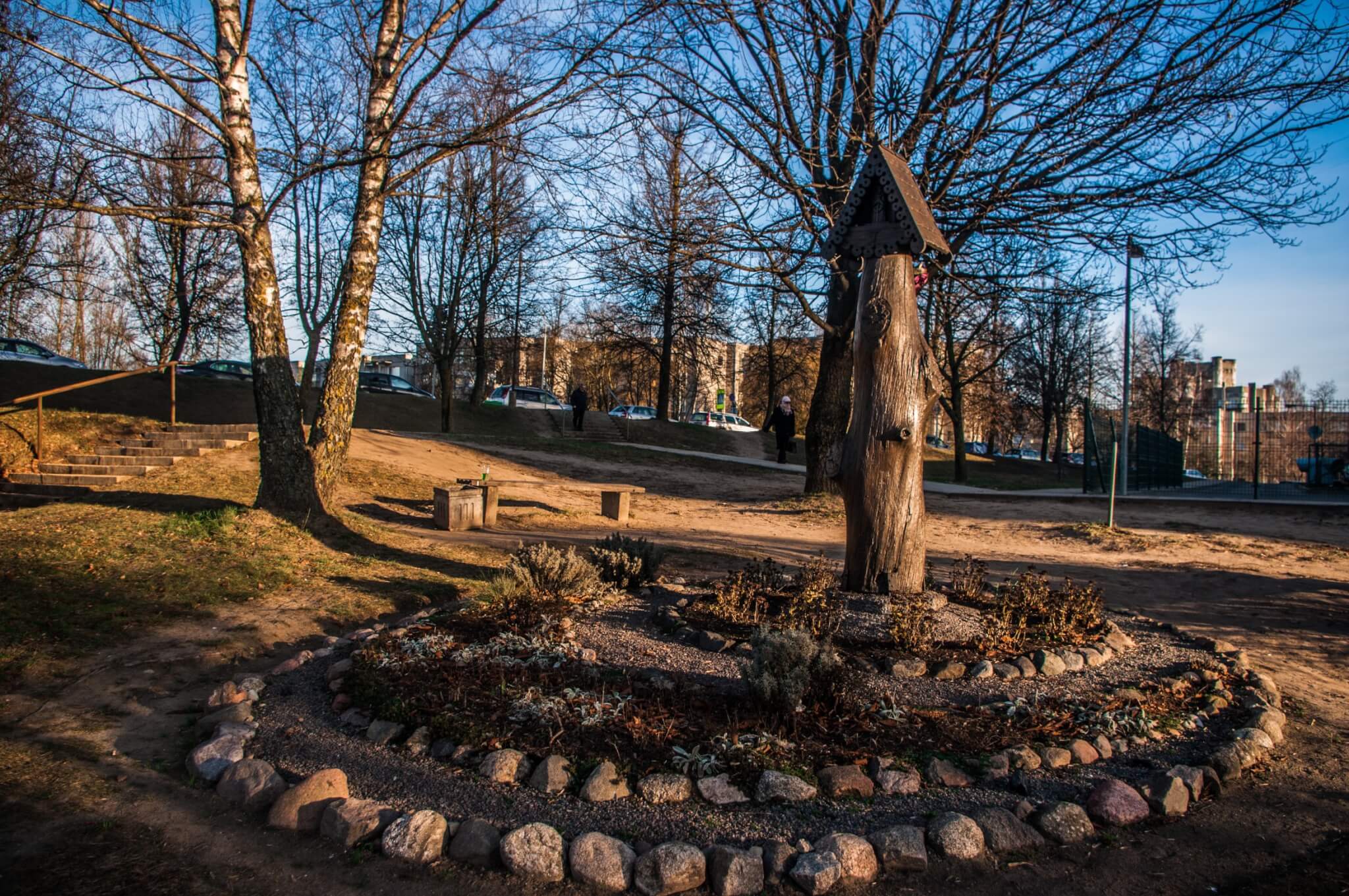
  • What events does the chapel by Ukmergės g. remind us of?
Start location

Šeškinė village

Želvos g.

Duration
2.30 h Without going inside
Distance
5,50 km
Means of travel
On foot
Terrain
Challenging
Pet friendly
Additional information
  • The terrain is difficult and therefore not recommended for people with reduced mobility and parents with children in pushchairs: Želvos g. has no pavements and is quite steep. Between Deltuvos g.and Siesikas g., the footpath can be difficult to negotiate. The Saukos Sculpture Hill may be impassable. Šeškinė underpass is accessible but very steep. Next to the underpass, there is an access ramp on the side of the ‘IKI’ supermarket to cross Ukmergė g.
  • Pets allowed

Route compiled by Andrius Pavelko; Photos by Andrius Pavelko

1. Šeškinė village

Until the middle of the 20th century, there was a village on the territory of the current Šeškinė.…

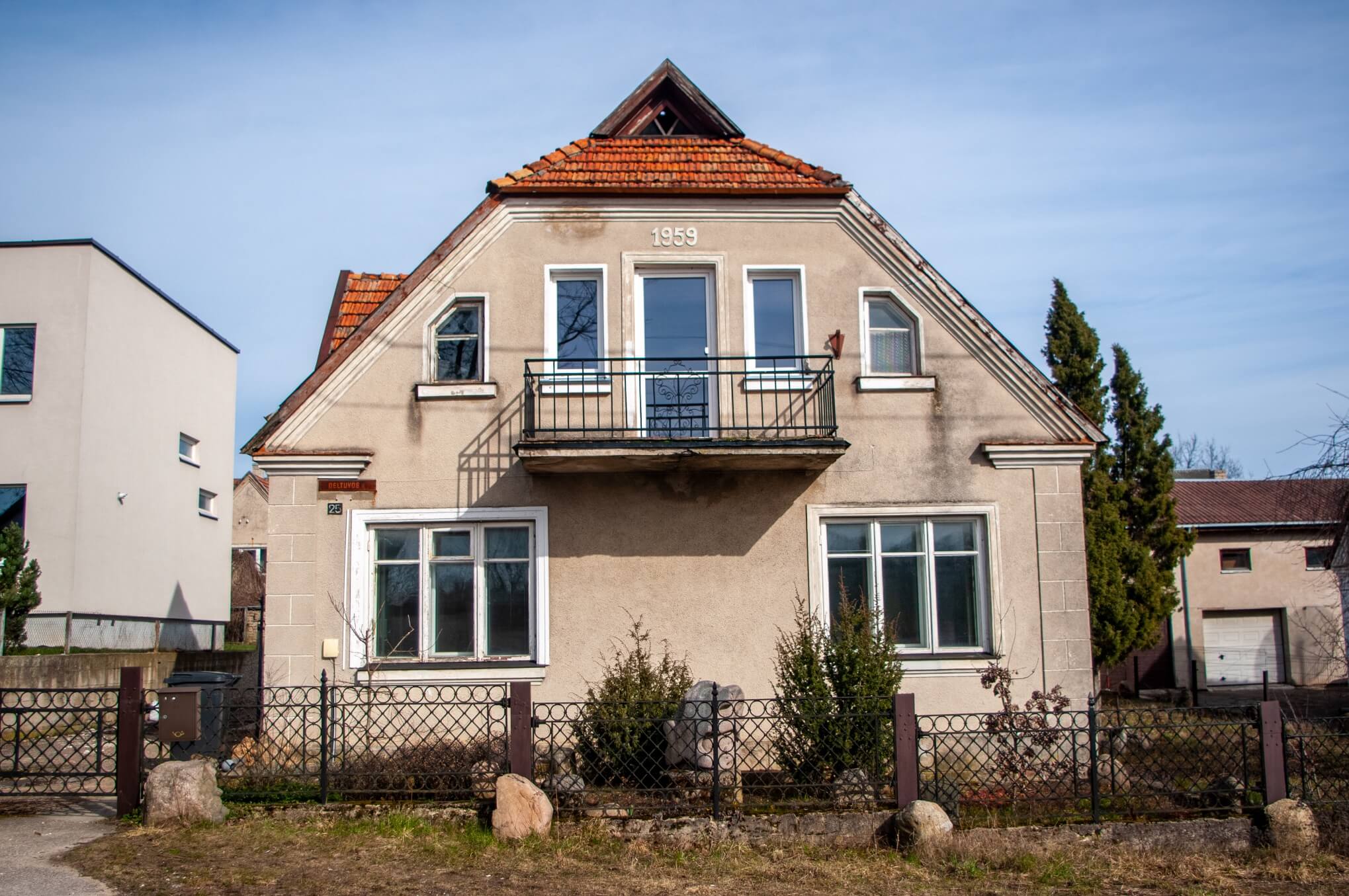
2. Houses built between 1959-1963

These houses were constructed after Šeškinė was incorporated into the city of Vilnius – between…

3. Residential area

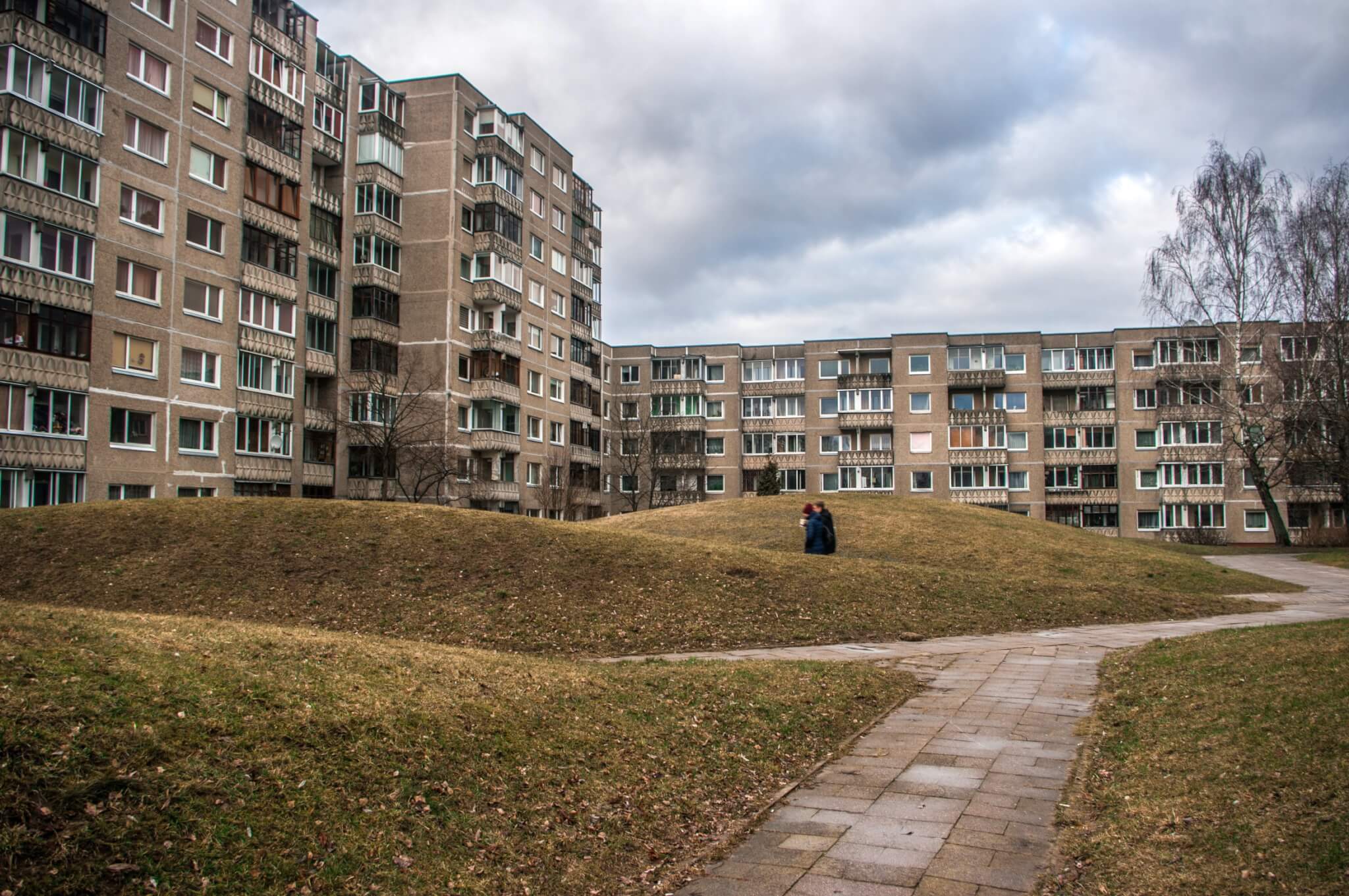
We cross Ozo g. and enter Šeškinė. As a residential area of Vilnius, Šeškinė was established in…

4. Sculptures by Mykolas Sauka

In autumn 2018, the sculptor and writer Mykolas Sauka (son of the famous painter Šarūnas Sauka)…

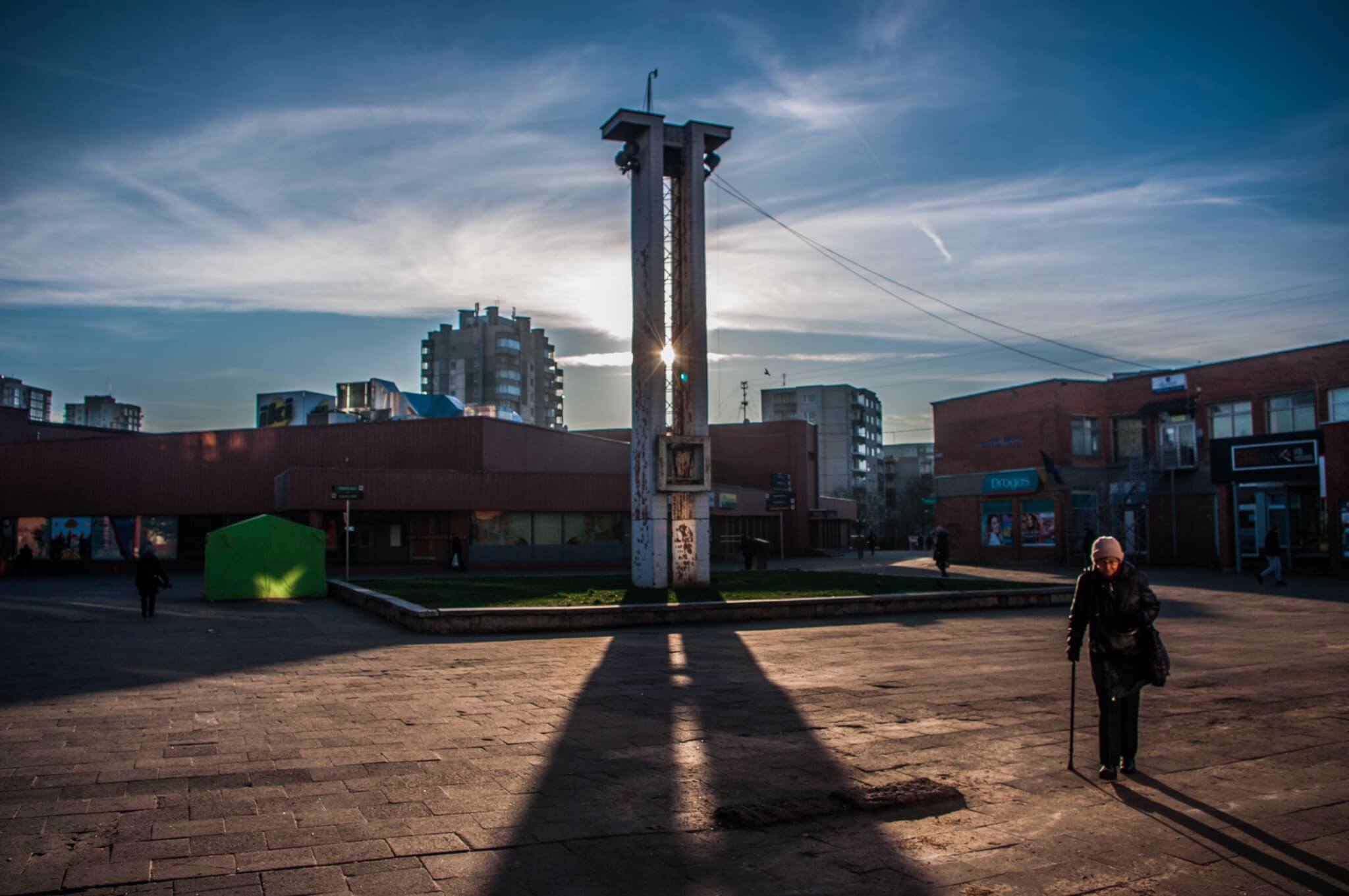
5. Šeškinė centre

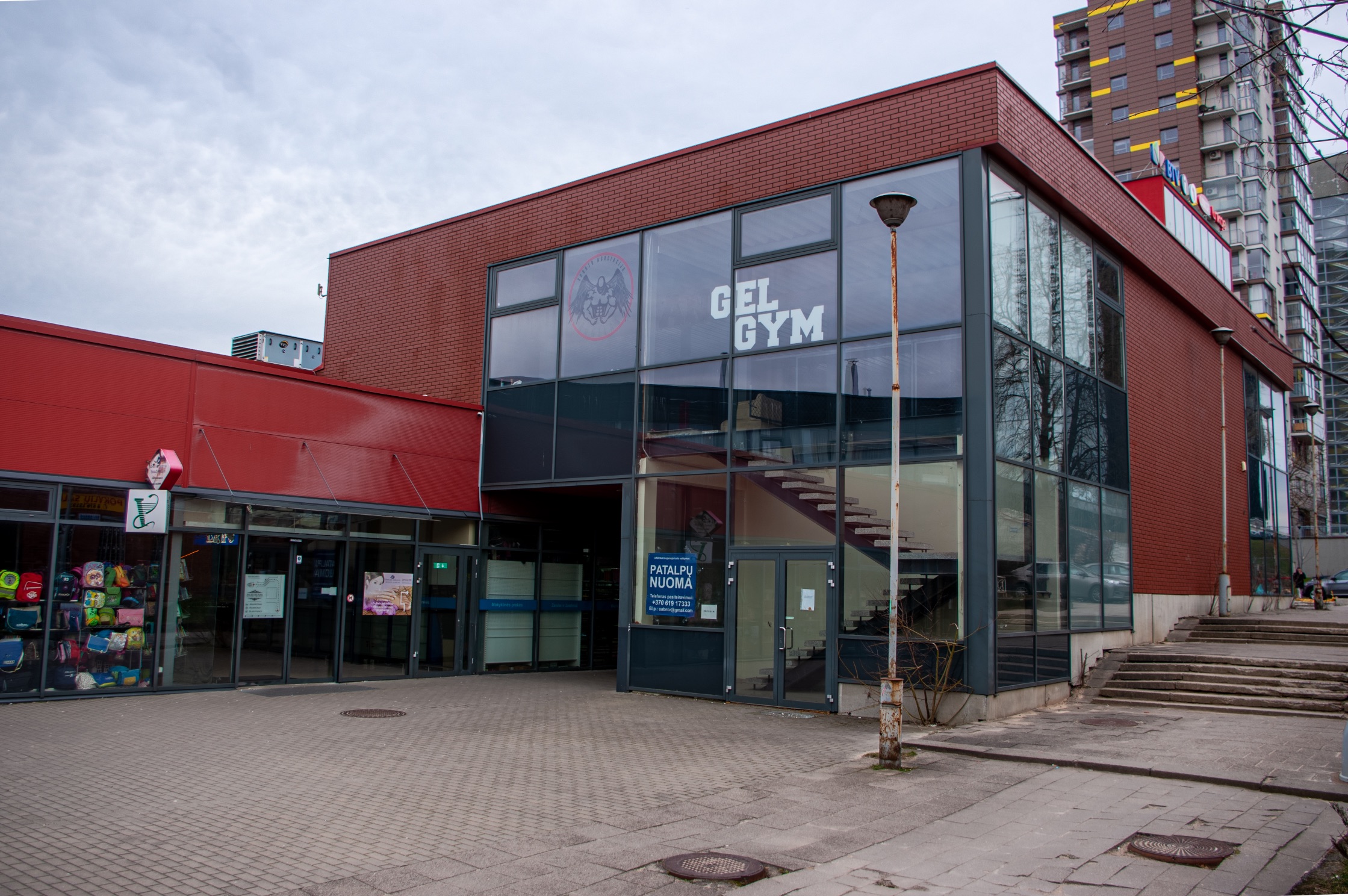
One of the most original building complexes of the late Soviet period – Šeškinė Public Shopping…

6. The Chapel Pillar

As you climb the hill, you will see a shrine to the Baltic Way commemorating the events of relating…

7. The ‘Splendorum vitae’ sculpture

A decorative metal sculpture entitled ‘Splendorum vitae’ (Latin for ‘Splendour of Life’) was…

8. The ‘Širvinta’ shopping centre

The shopping centre and its surroundings have recently changed a lot. A new extension has been…

9. LNK (former ‘Taika’ Cinema)

The building where the LNK TV studios are currently based is the former ‘Taika’ cinema. The cinema…

10. Vilnius Žygimantas Augustas Progymnasium

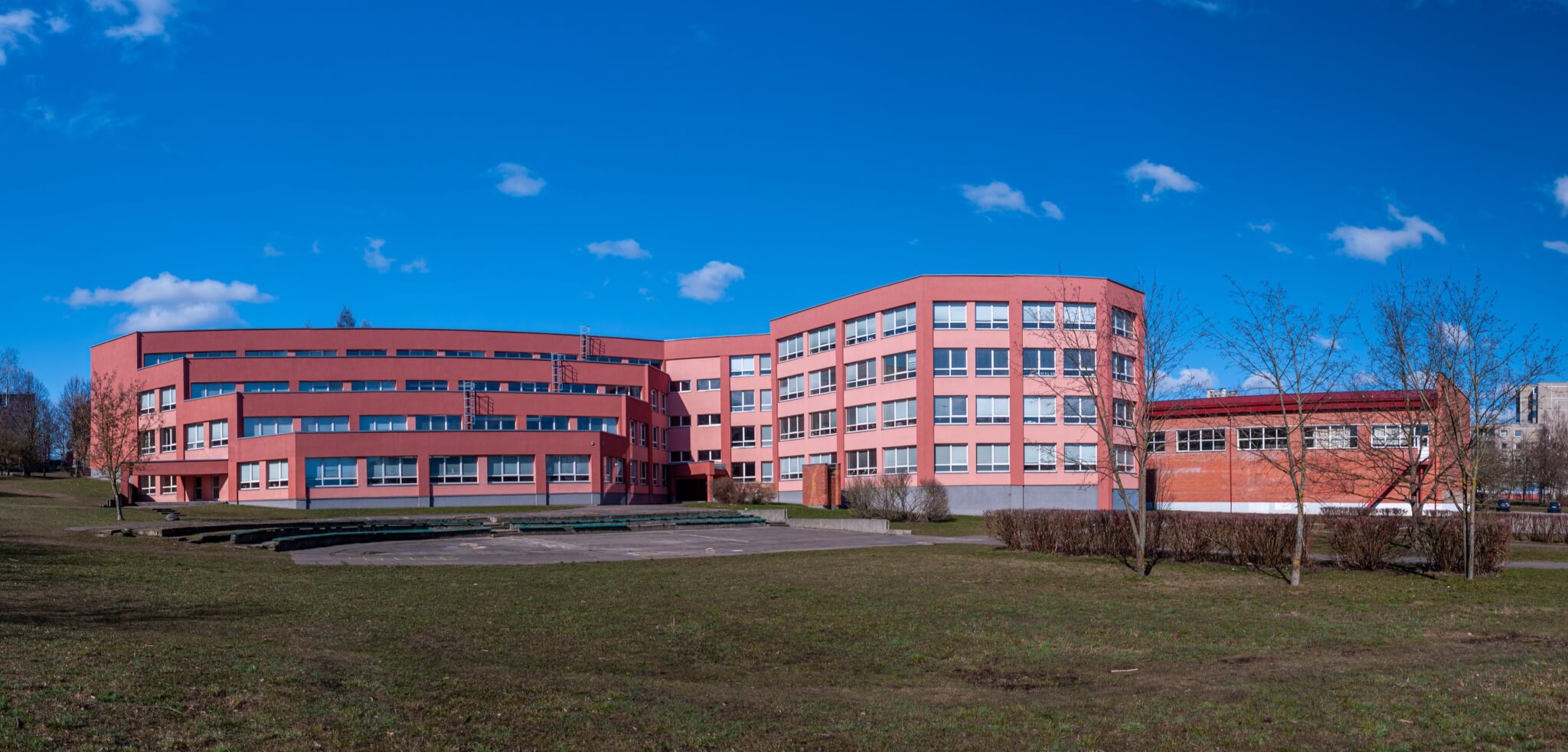
Few neighbourhoods in Vilnius can boast such a large number of educational institutions – if you…

11. Roller coasters

There’s a whole mountain range ahead of us! In winter, children swarm on these slopes and parents…

12. The Esker (Os) and Lake Šeškiukas

The Šeškinė Esker (Os) (‘Ozas’ in Lithuanian) is interesting from a natural and geological point of…

Additional material