Eiti prie pagrindinio turinio
Neakivaizdinis Vilnius Neakivaizdinis Vilnius

Military Vilnius

From the 16th-century Vilnius defensive walls to the Independence barricades

Įrašo pavadinimas:

Vilnius has been attacked and defended many times, fought many battles, marched by its own army and foreign armies. Famous military leaders have been saluted here, and soldiers killed in battle have been buried here. The city is inseparable from the most important facts of the history of the Lithuanian army.

The route starts with the 16th century defensive walls of Vilnius, which commemorate the old statehood of Lithuania – the times of the Grand Duchy of Lithuania, and ends with the late 20th century barricades built by the defenders of our freedom and volunteers in defence of the Parliament, the city and the restored independence of the country. As you walk through the streets of the Old Town and the New Town, you will see historical buildings, memorial signs, monuments and places associated with events or personalities from Vilnius’ military past. All of this covers a period of more than 700 years, and the objects commemorating this period are not arranged in chronological order. You will be able to see them and remember the Lithuanian nobles, rebels, guardsmen, volunteers, explorers and partisans, men and women who defended freedom. You will also see the humble place where the armed forces of the restored state took their first steps more than 100 years ago, and where in the 21st century they have grown to become the armed forces of a NATO country.

The route is easy and convenient, with some of the sites located in places in the city that are often seen but not always noticed. Incidentally, you can also reverse the route by starting at the end.

Organiser of the route: the Ministry of National Defence of the Republic of Lithuania.

Partnership: Faculty of History, Vilnius University.

Photos: Karolis Kavolėlis.

Start location

The Gates of Dawn (Aušros Vartai) / Aušros Vartų g. 14

Duration
1.30 h Without going inside
Distance
14,00 km
Means of travel
On foot
Terrain
Easy
Additional information

Organiser of the route: the Ministry of National Defence of the Republic of Lithuania.

Partnership: Faculty of History, Vilnius University.

Photos: Karolis Kavolėlis.

1. Monument to the soldiers killed in Afghanistan

A monument commemorating the Lithuanians who died in the 1979-1989 Soviet-Afghan War is located in…

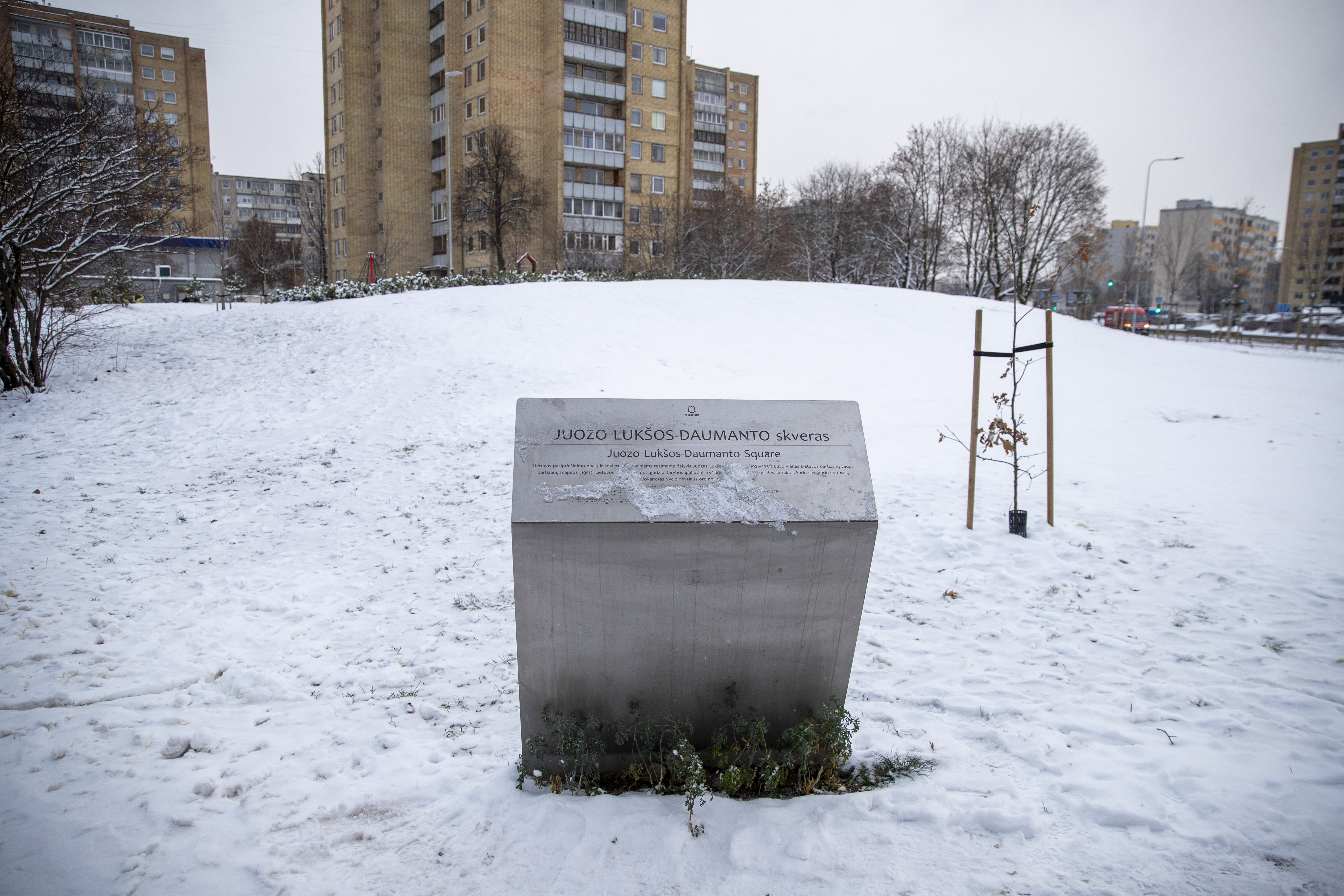
2. Juozas Lukša-Daumantas Square

When we hear about the 1944-1953 Lithuanian partisan war against the USSR, we usually think of…

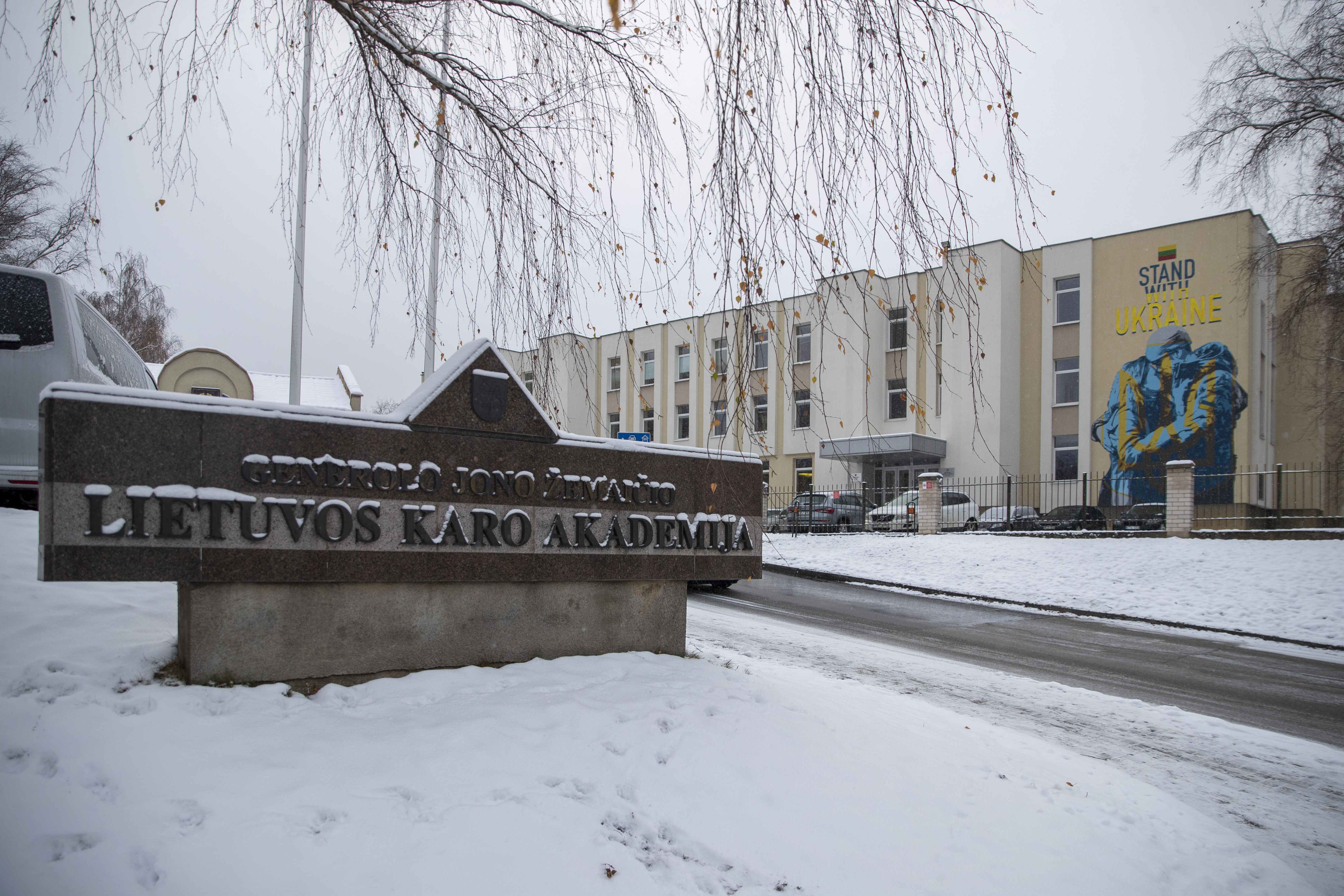
3. General Jonas Žemaitis Lithuanian Military Academy

In 1992, the National Defence School was established on the site and later transformed into the…

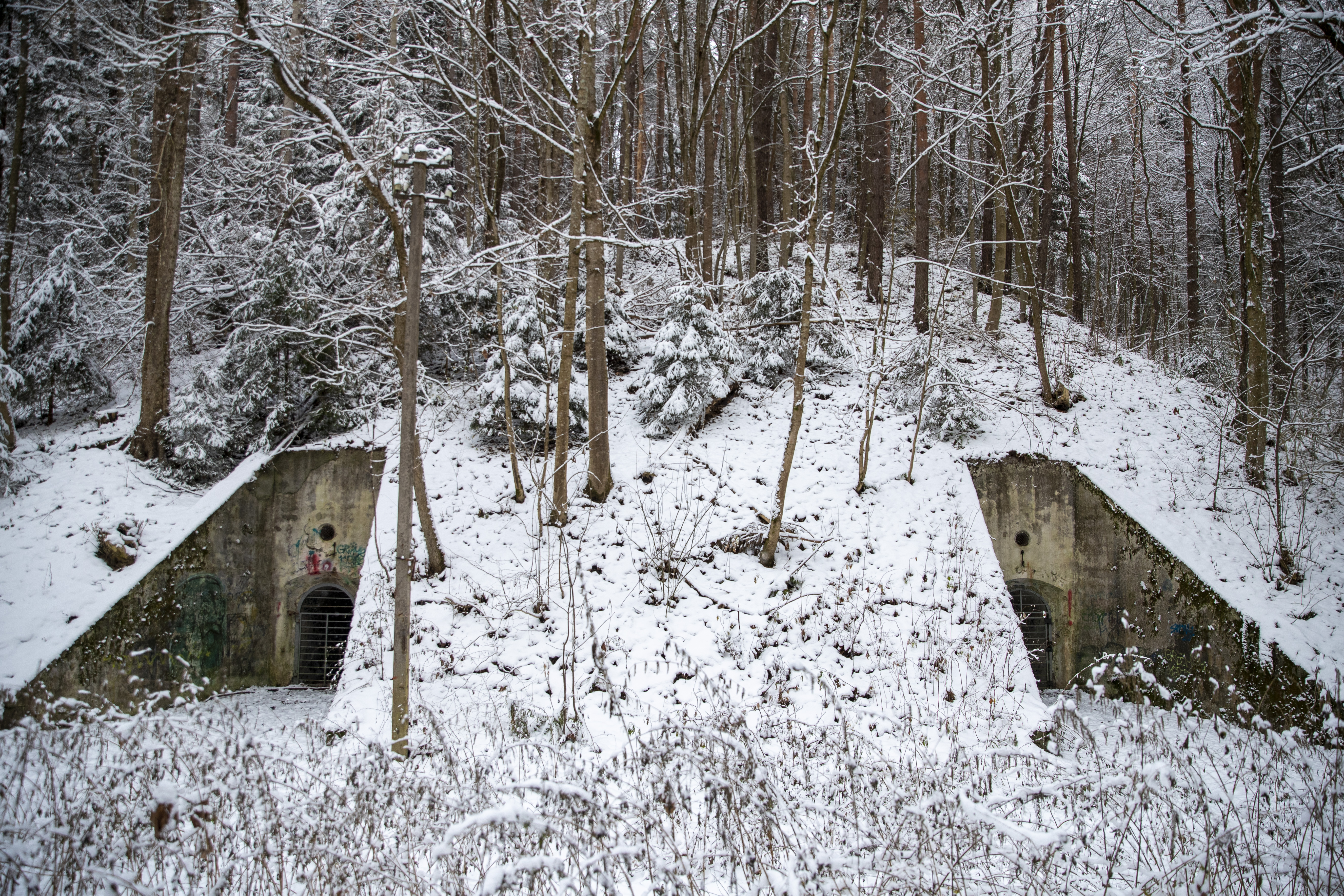
4. The Antakalnis Bunkers

Pavilniai Regional Park is a harmonious combination of forest, steep slopes, ravines and……

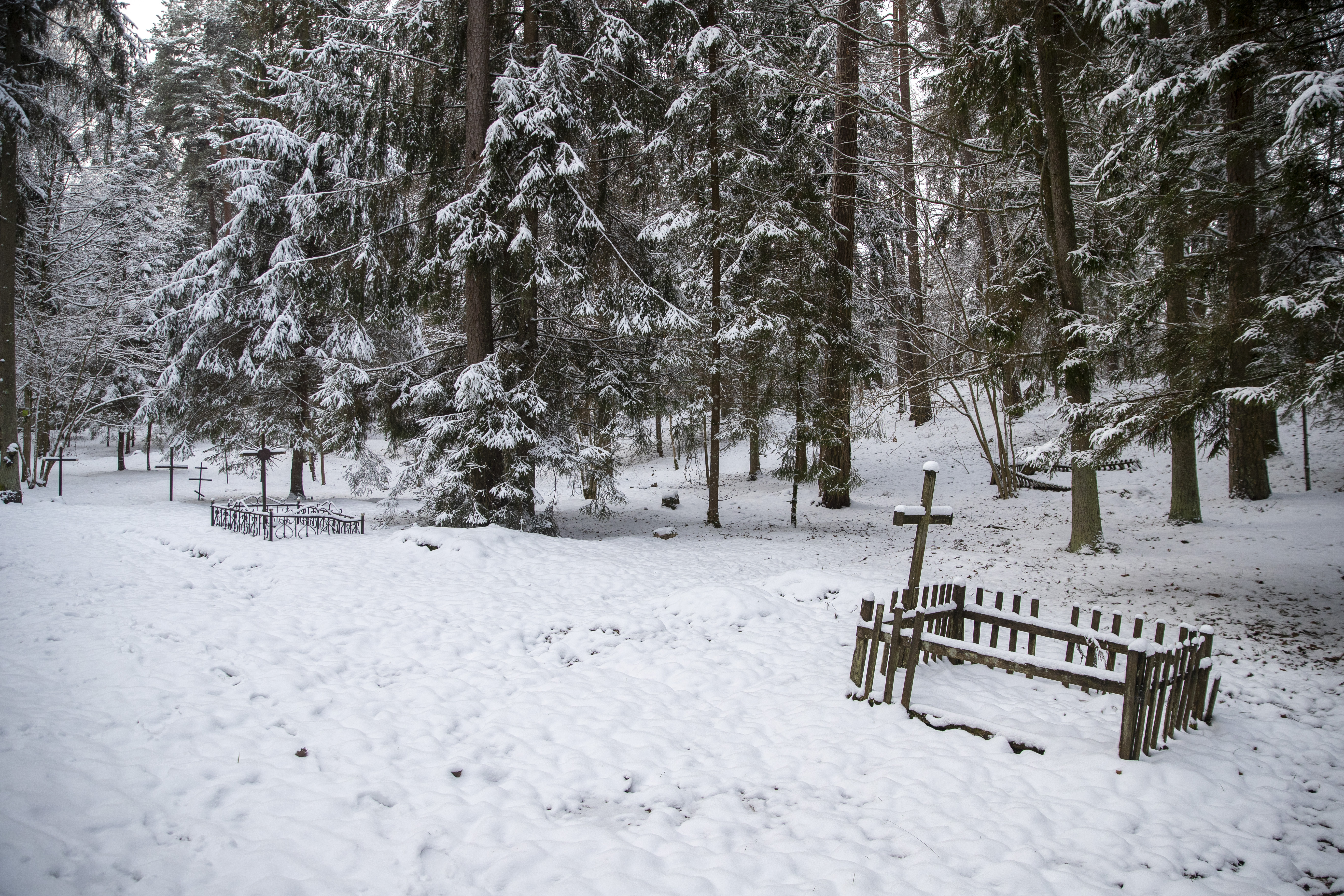
5. The Orphans' Cemetery

The now-defunct Orphans’ Cemetery was established in the mid-19th century. By the mid-20th…

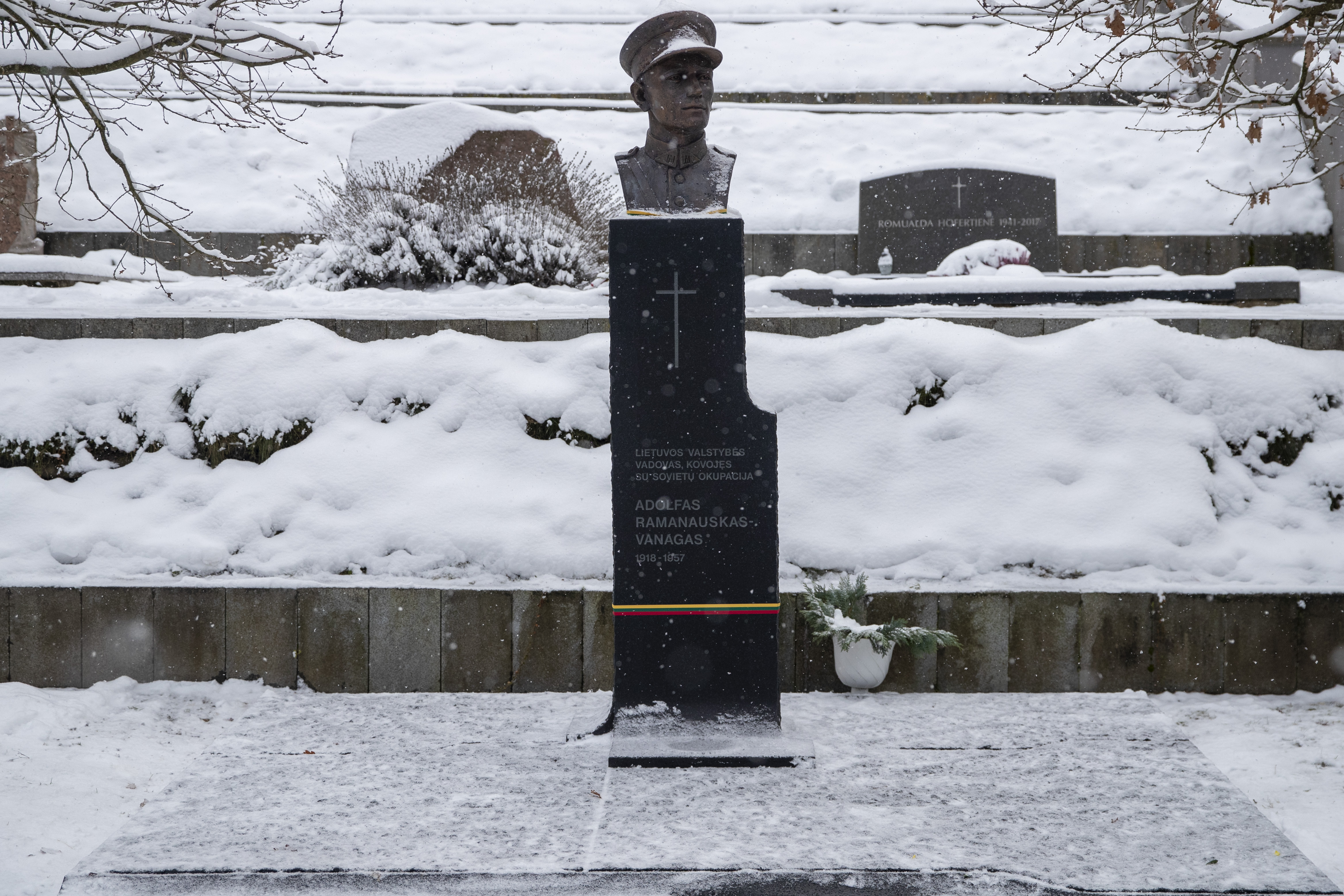
6. Memorial to the Victims of the 13 January Events

Antakalnis Cemetery was formed in the 19th century as a soldiers’ cemetery, where you can see…

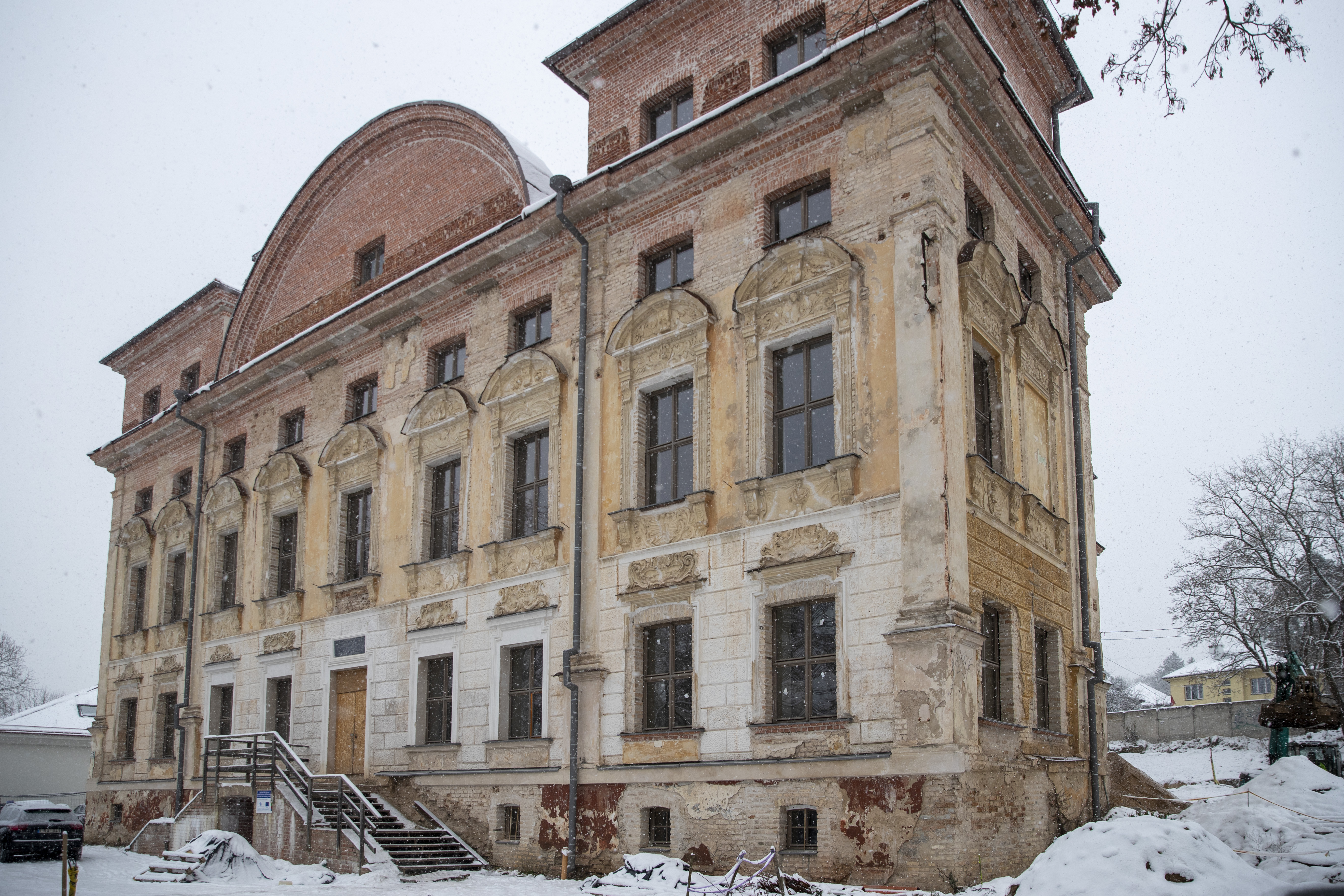
7. Sapiegas Palace and Hospital

At the end of the 17th century, the construction of a new palace in Antakalnis began. It was built…

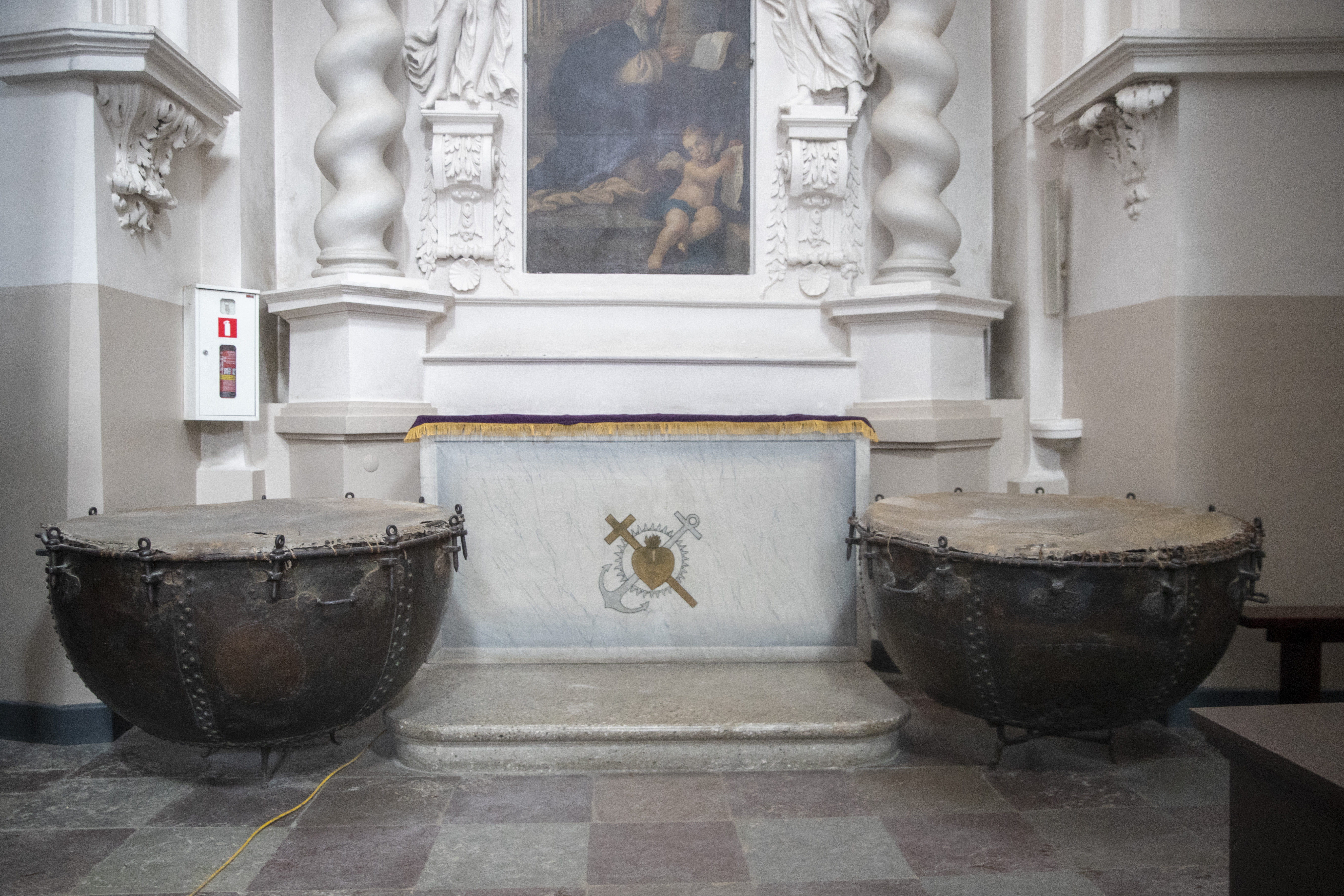
8. The Church of St. Peter and St. Paul

This beautiful Baroque church is seemingly unrelated to the war, but in the 17th century, when wars…

9. The location of the Crooked Castle

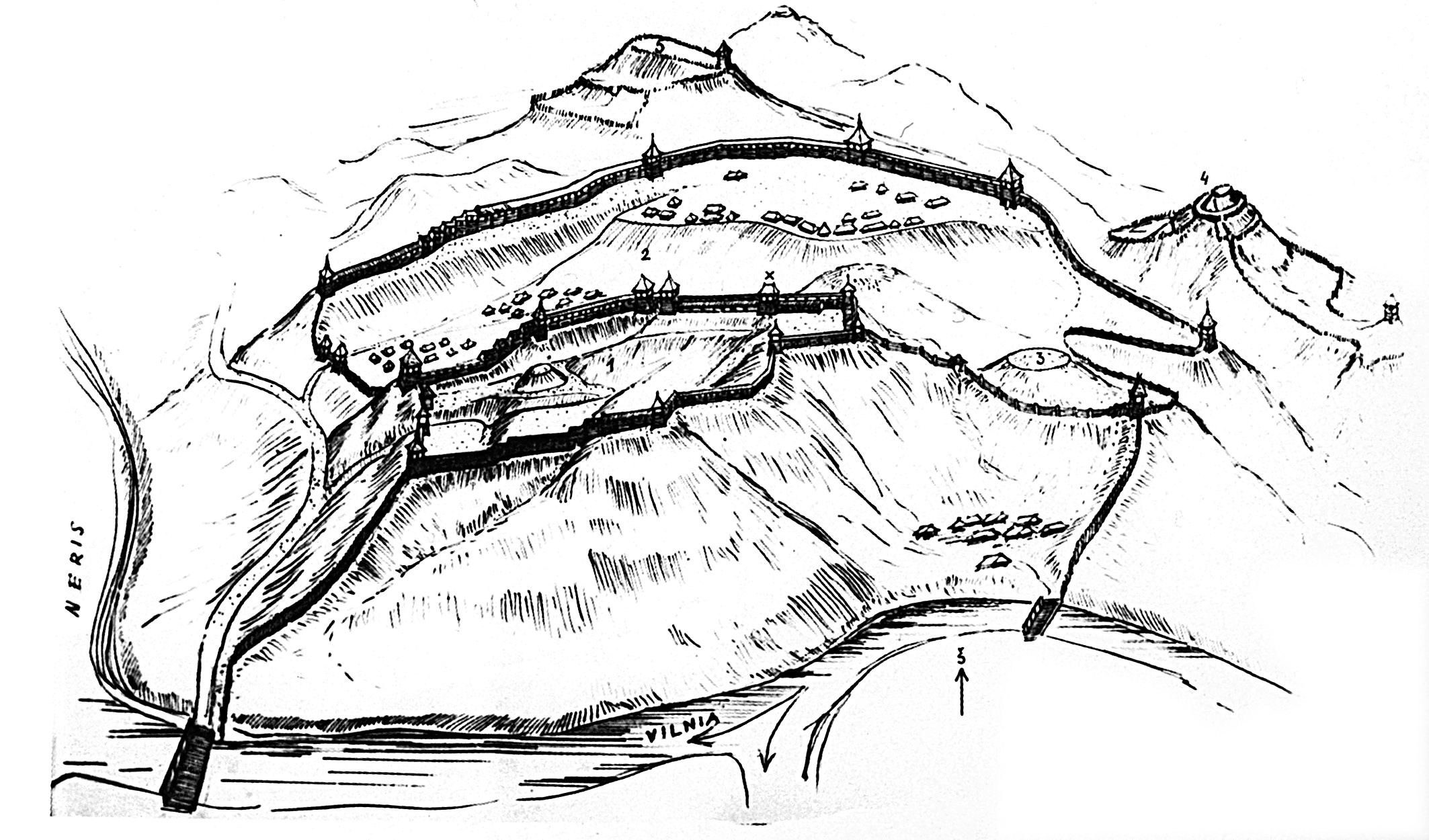
On the present-day Hill of Three Crosses, during the times of the Grand Duchy of Lithuania, there…

10. Bekešo Hill

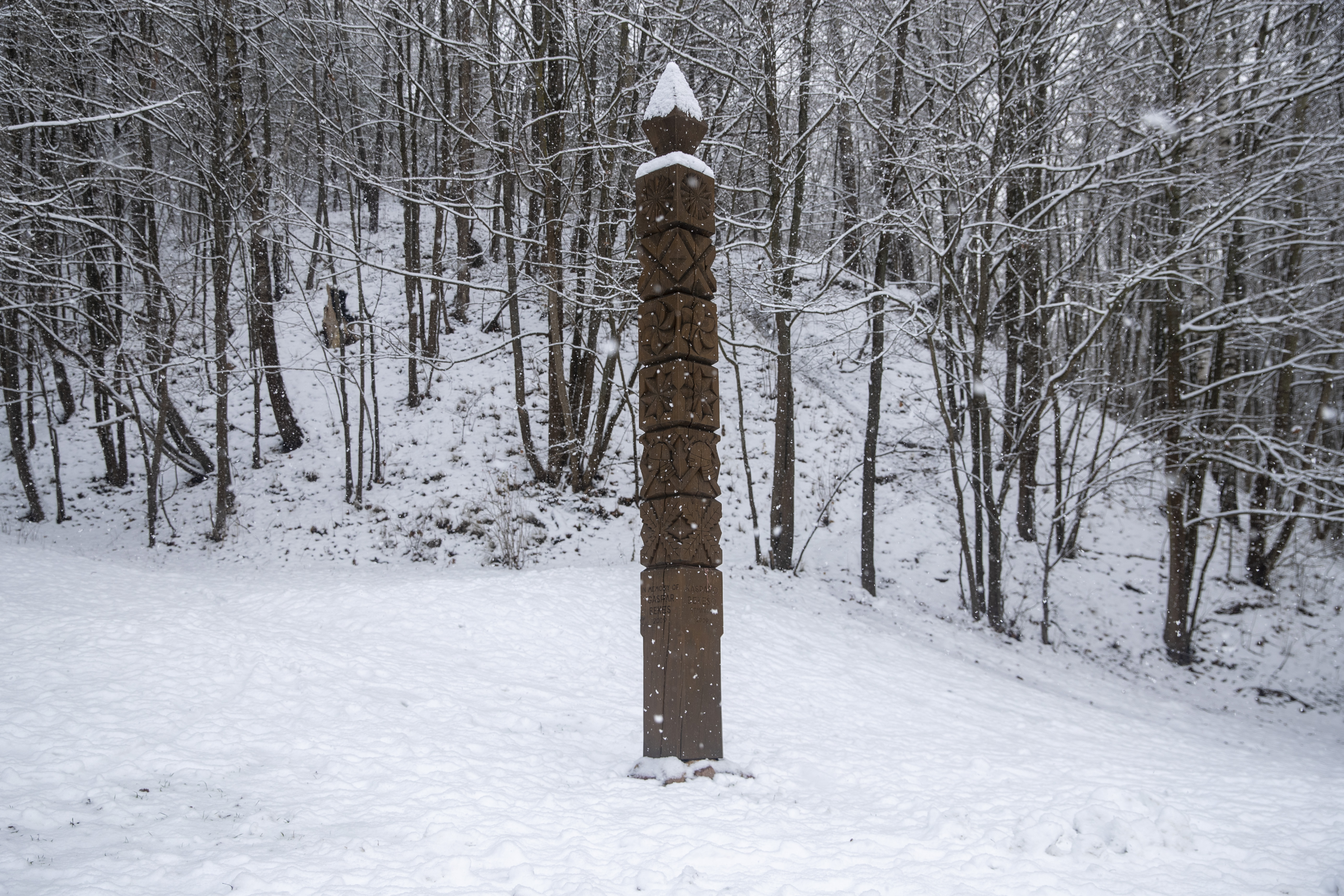
Walking along the Vilnelė River, next to the stairs to the Hill of Three Crosses (also Bekešo…

11. The Greatcoat of Antoni Wiwulski (Antanas Vivulskis)

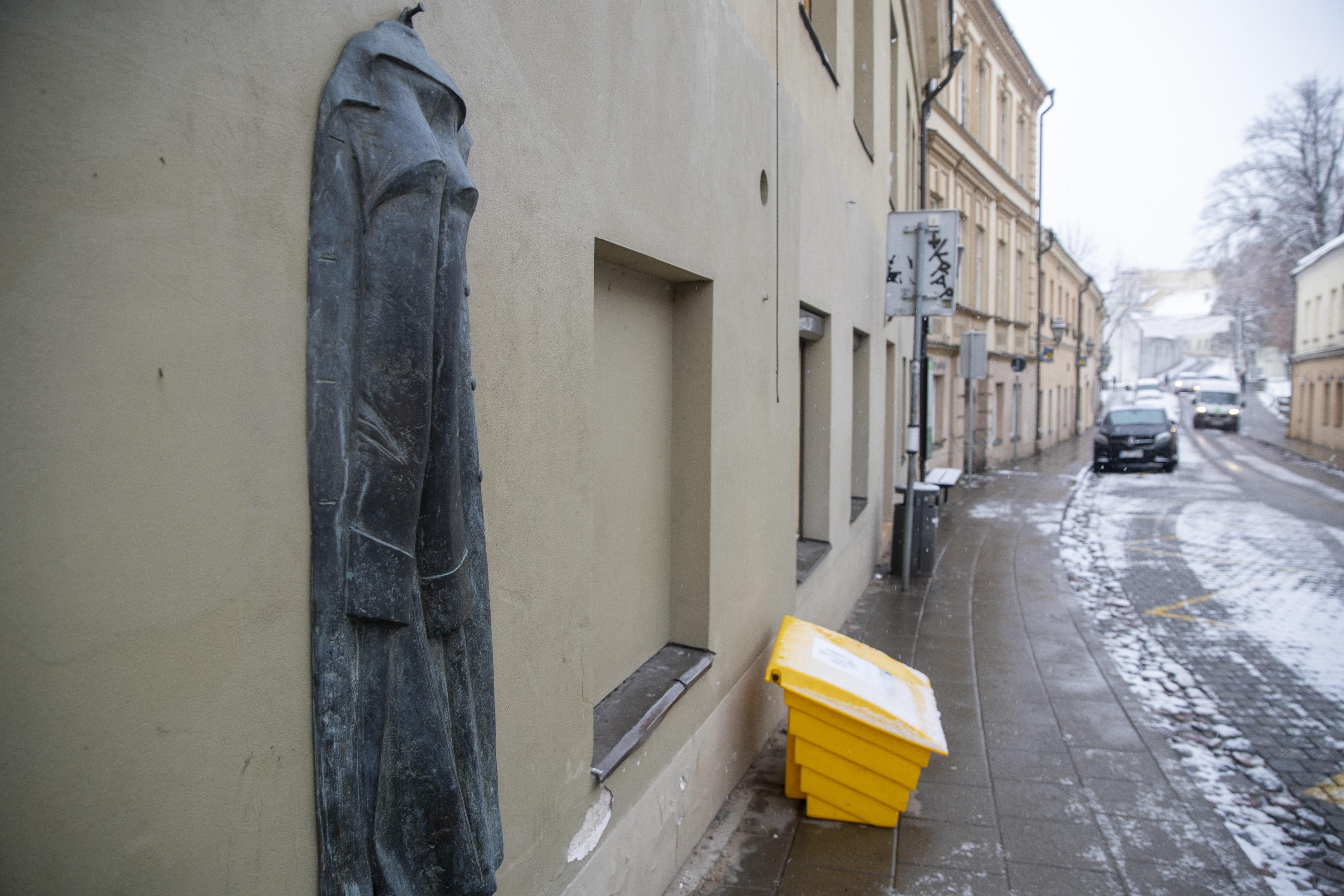
At the beginning of January 1919, Antoni Wiwulski (Antanas Vivulskis), a prominent architect and…

12. The Bastion

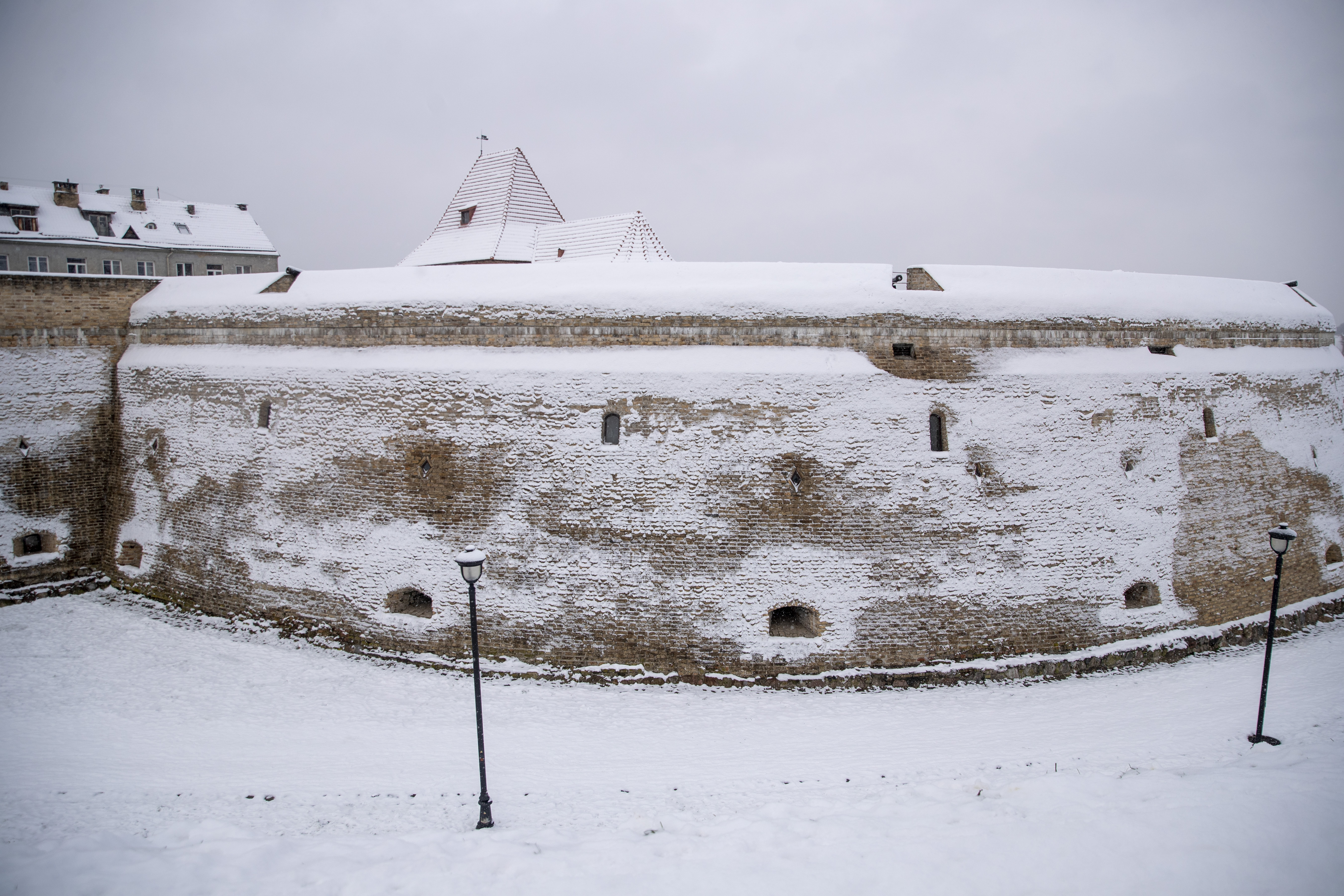
The exact time when the Bastion Fort was built is still unknown; researchers believe it was…

13. Jewish labour camp

In the first half of September 1943, as the Nazis prepared to liquidate the Vilnius Ghetto, several…

14. The Graves of Lithuanian Volunteers

In the first half of the 20th century, both Lithuania and Poland successfully realised their…

15. Rasos Cemetery Chapel Containing the Remains of the Rebels

On 22 November 2019, the Lithuanian and Polish Guards of Honour solemnly escorted the remains of…