Grigiškės - Neakivaizdinis Vilnius
Eiti prie pagrindinio turinio
Neakivaizdinis Vilnius Neakivaizdinis Vilnius
Vilnius Districts studies

Grigiškės

The only Lithuanian city within the city

Grigiškės is an exclusive part of Vilnius. It is a separate town belonging to Vilnius city municipality, although it has the rights of a municipality. This is the only case in Lithuania of such an administrative status of a town within another town.

As well as having its own flag, Grigiškės has a coat of arms (designed by K. Juodikatis) – a historical paper watermark depicting an auroch’s head with a cross, around which a grass snake is intertwined, symbolising eternity and longevity. Currently, the town has 11,000 inhabitants. In the pre-WWII period, the villages of Afindevičius, Salos, Kunigiškės and Kauno Vokė were here, while only the paper factory built in 1923 was called Grigiškės. As the company expanded, a settlement of factory workers also grew in the post-war period. At the end of the 20th century, it was planned that the settlements of Lentvaris (13,000) and Grigiškės (12,000), which significantly exceeded the size of the centre of Trakai county, would be connected to the capital and that at the beginning of the 21st century, multi-storey multi-apartment districts of Vilnius would be constructed in the fields between the two towns, where more than one hundred thousand residents would live. After the collapse of the planned economy, grandiose development plans of the capital were abandoned, but Grigiškės is gradually growing, gaining stature, and becoming more beautiful. The city boasts Grigiškės Culture Centre (Vilniaus g. 12, Grigiškės), as well as Grigiškės Art School. Grigiškės is more than a monochome industrial town; it is but also a colourful and interesting settlement – you will see for yourself when you follow this route.

What will you learn about / see on this route?

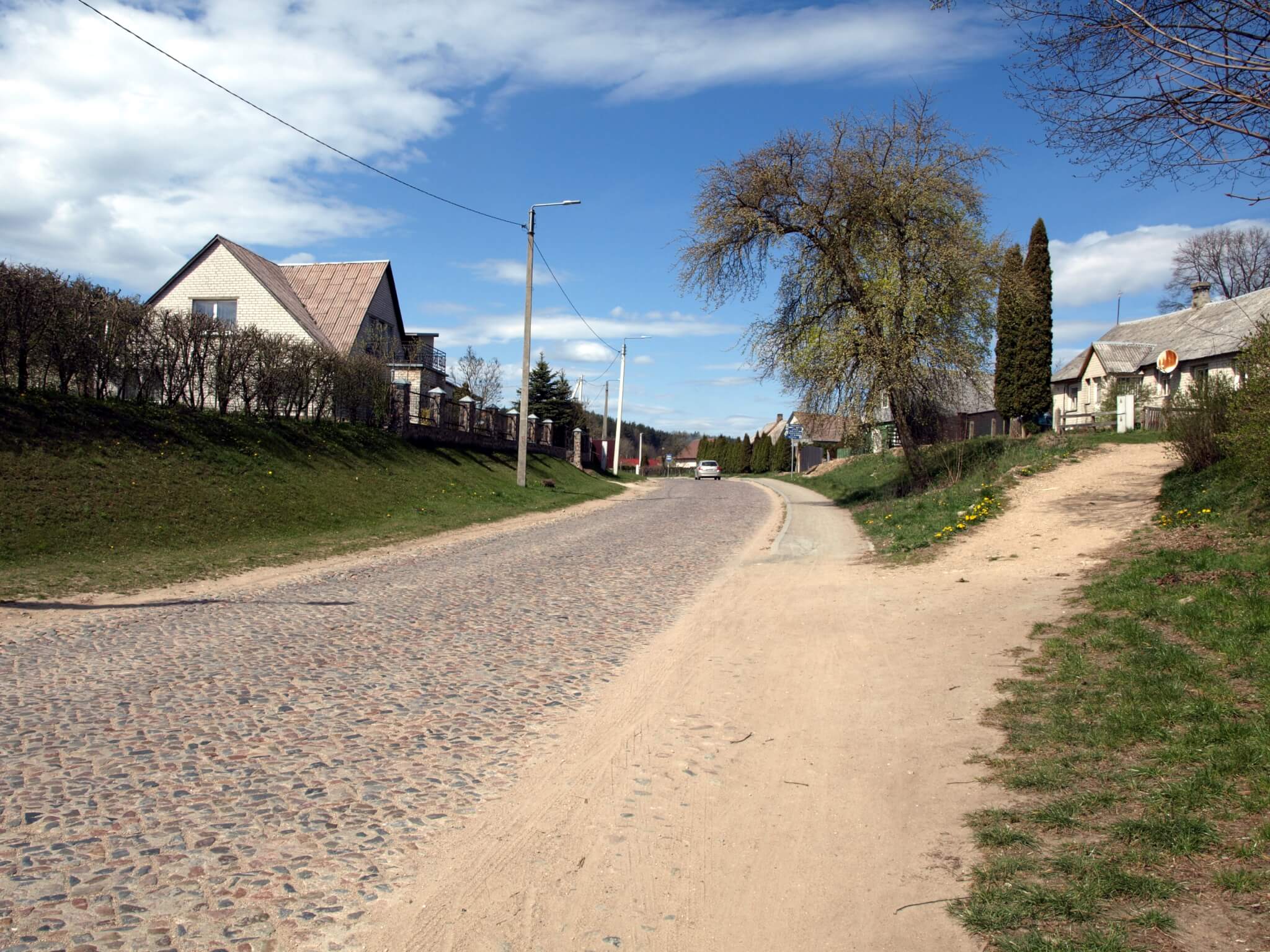
  • How does it feel to set your feet on the cobblestones of the old road from Vilnius to Kaunas?
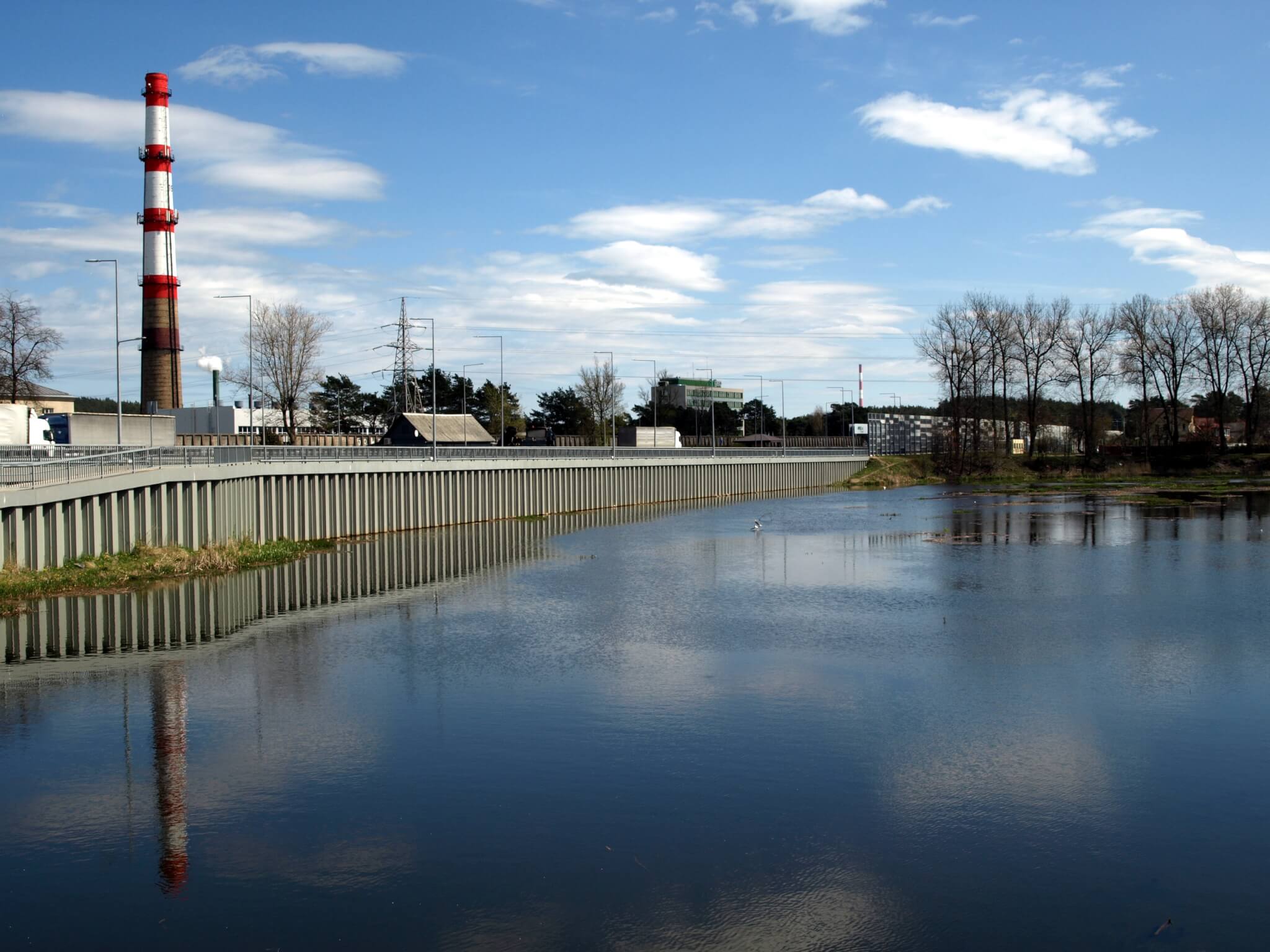
  • What does the only aqueduct in Lithuania look like, or the dam of the power plant, or canals excavated in the 20th century?
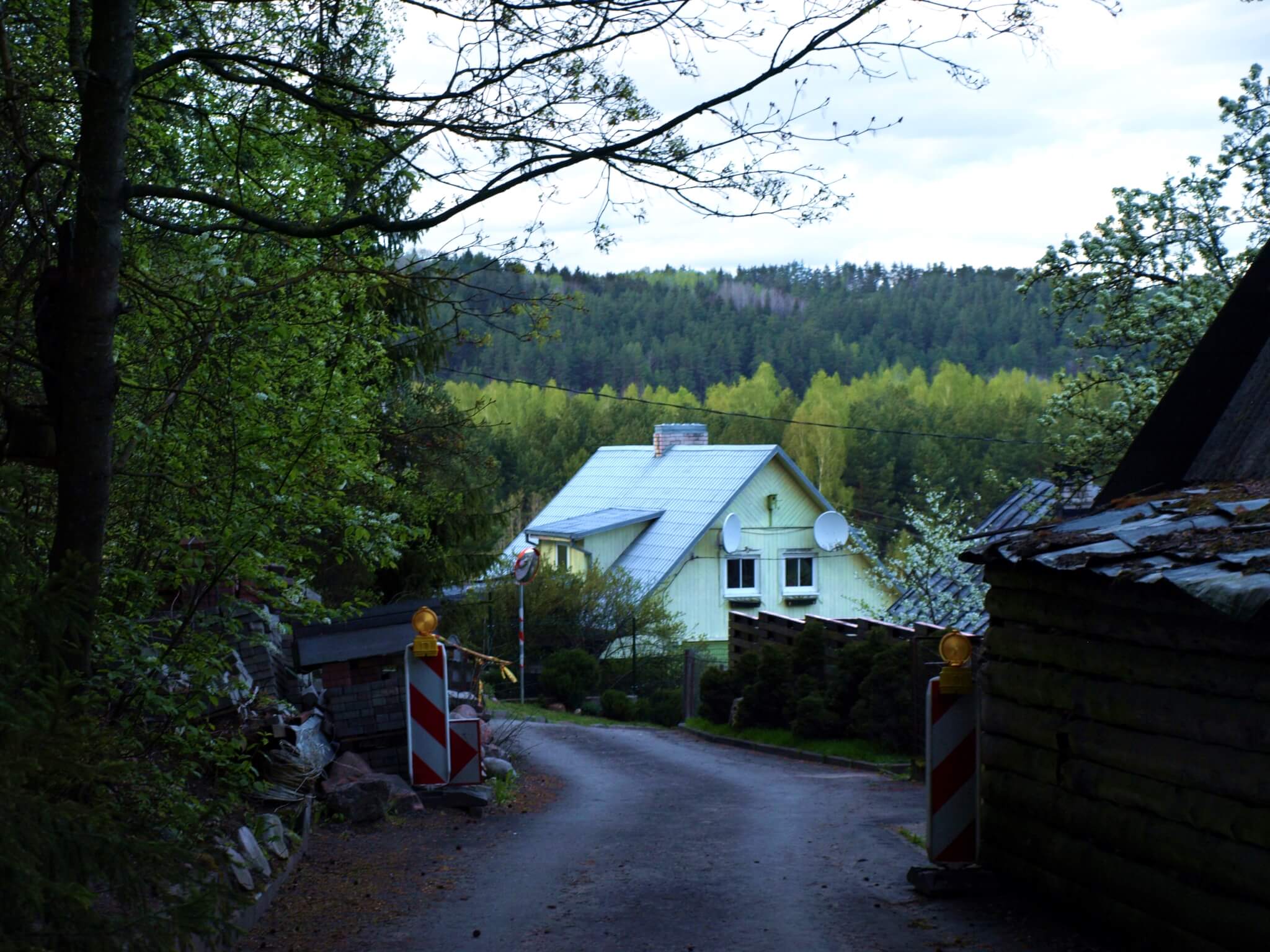
  • How do our four-legged furry friends live in the cattiest village in Vilnius, where boats used to reach the other side of the river until recently?
Start location

Section of the old Vilnius–Kaunas road

Duration
3 h Without going inside
Distance
7,75 km
Means of travel
On foot
Terrain
Challenging
Pet friendly
Additional information
  • Not recommended for people with reduced mobility. The descent to the valley is by steep hill and stairs; in the village of Salos, some streets are dirt tracks or gravel roads. Neravas village has tarmac (asphalt) roads, but not everywhere. The descent to the river Neris is down a steep grassy hill.
  • Pets are allowed, except inside the church

Route by Artūras Savko; Photos by Artūras Savko and Vytautė Ribokaitė

1. Kauno Vokė and the Vilnius–Kaunas section of the old road

Kauno Vokė is the largest village built along one main street in the surrounding area, which…

2. The new Vilnius-Kaunas motorway

After Lithuania regained Vilnius and some of its environs in the autumn of 1939, in spring 1940…

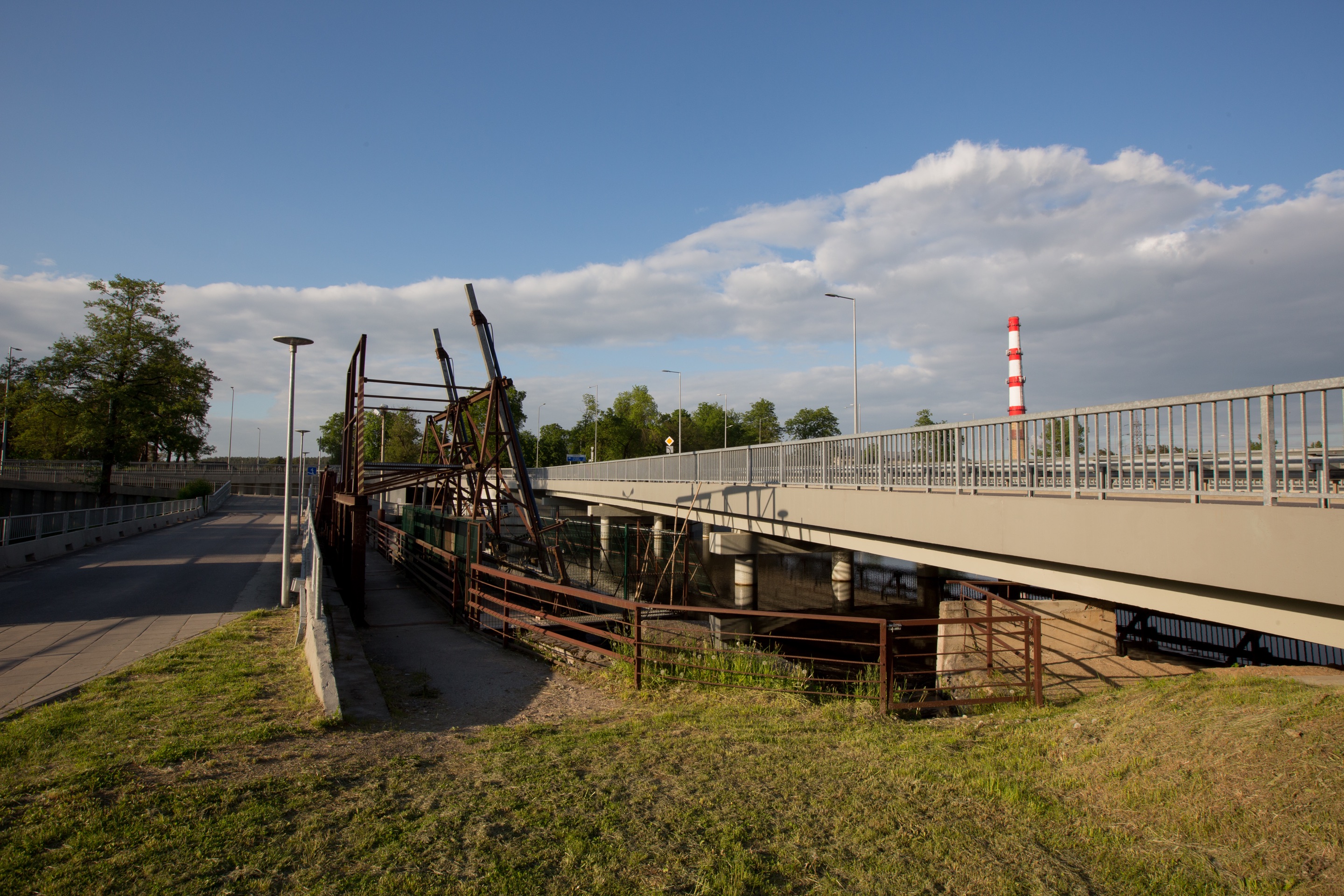
3. Grigiškės Hydroelectric Power Plant

In 1922 a 4.2-metre-high dam was built in Grigiškės, which is also used as a bridge. A small…

4. Grigiškės Paper Mill and Aqueduct

Grzegoż Kurec, an engineer and industrialist of Belarusian origin, was among the richest business…

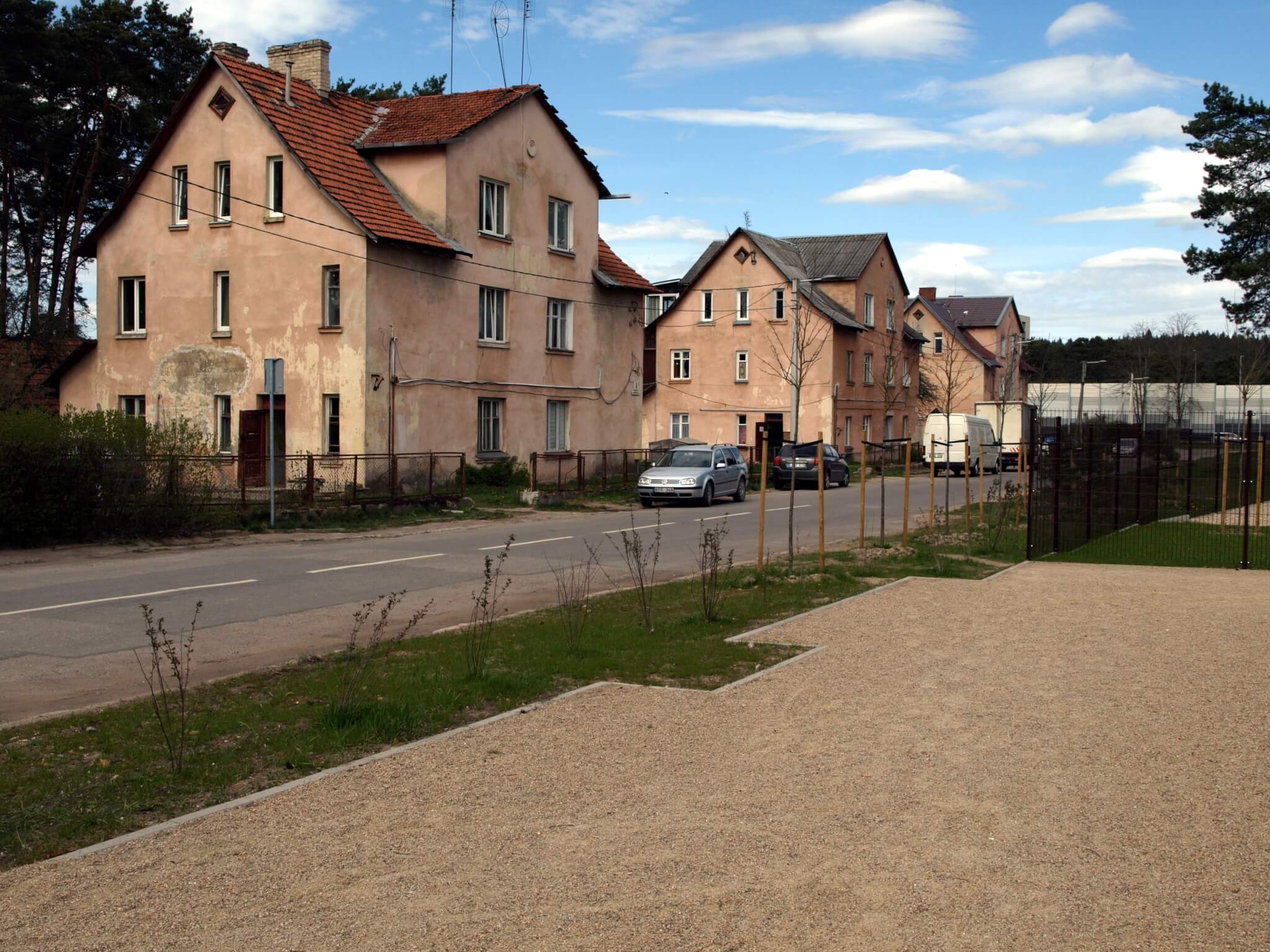
5. Old Grigiškės and the Art School

The age of Grigiškės is calculated from the establishment of the factory, but the town itself is…

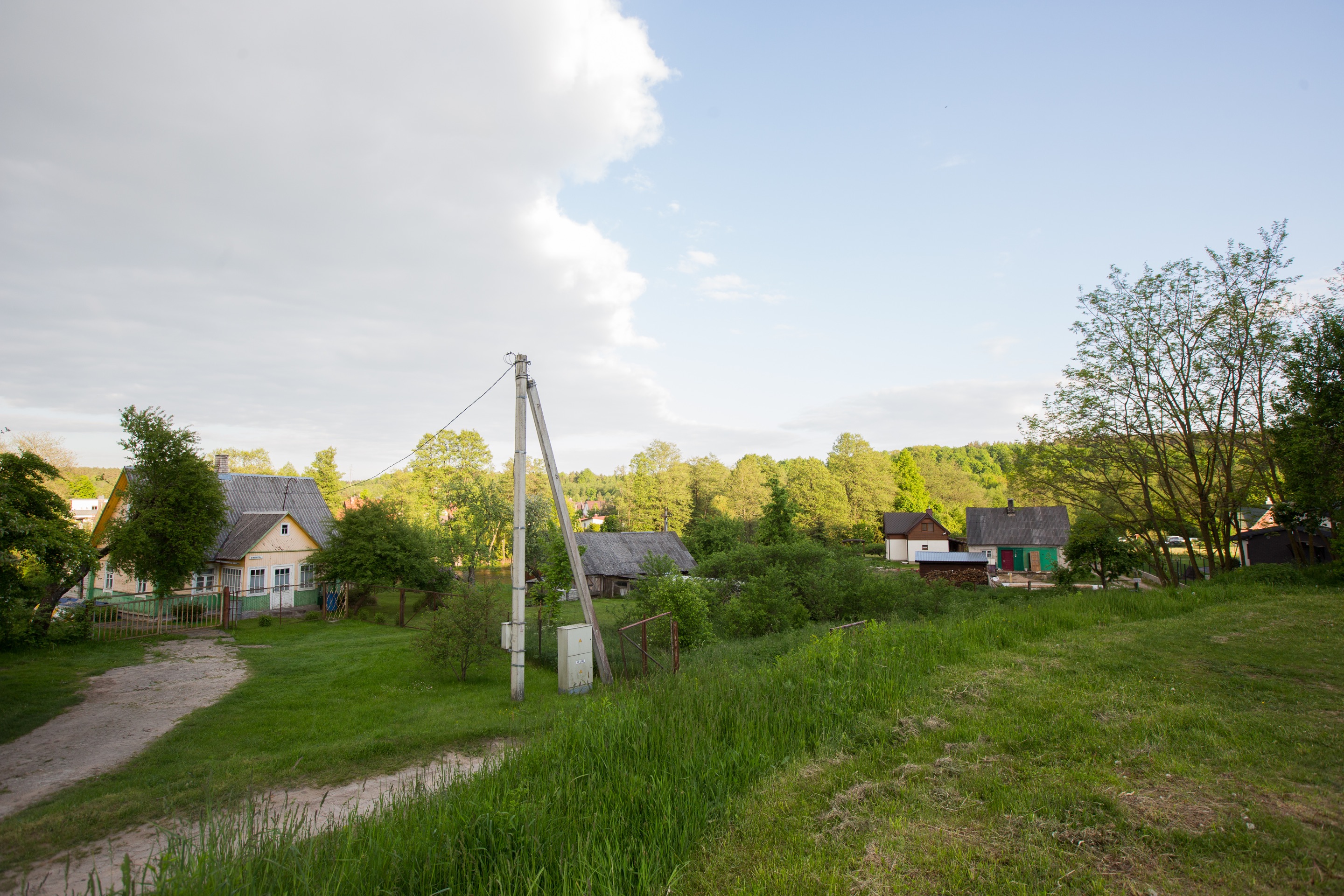
6. Vokė Valley and Island Village

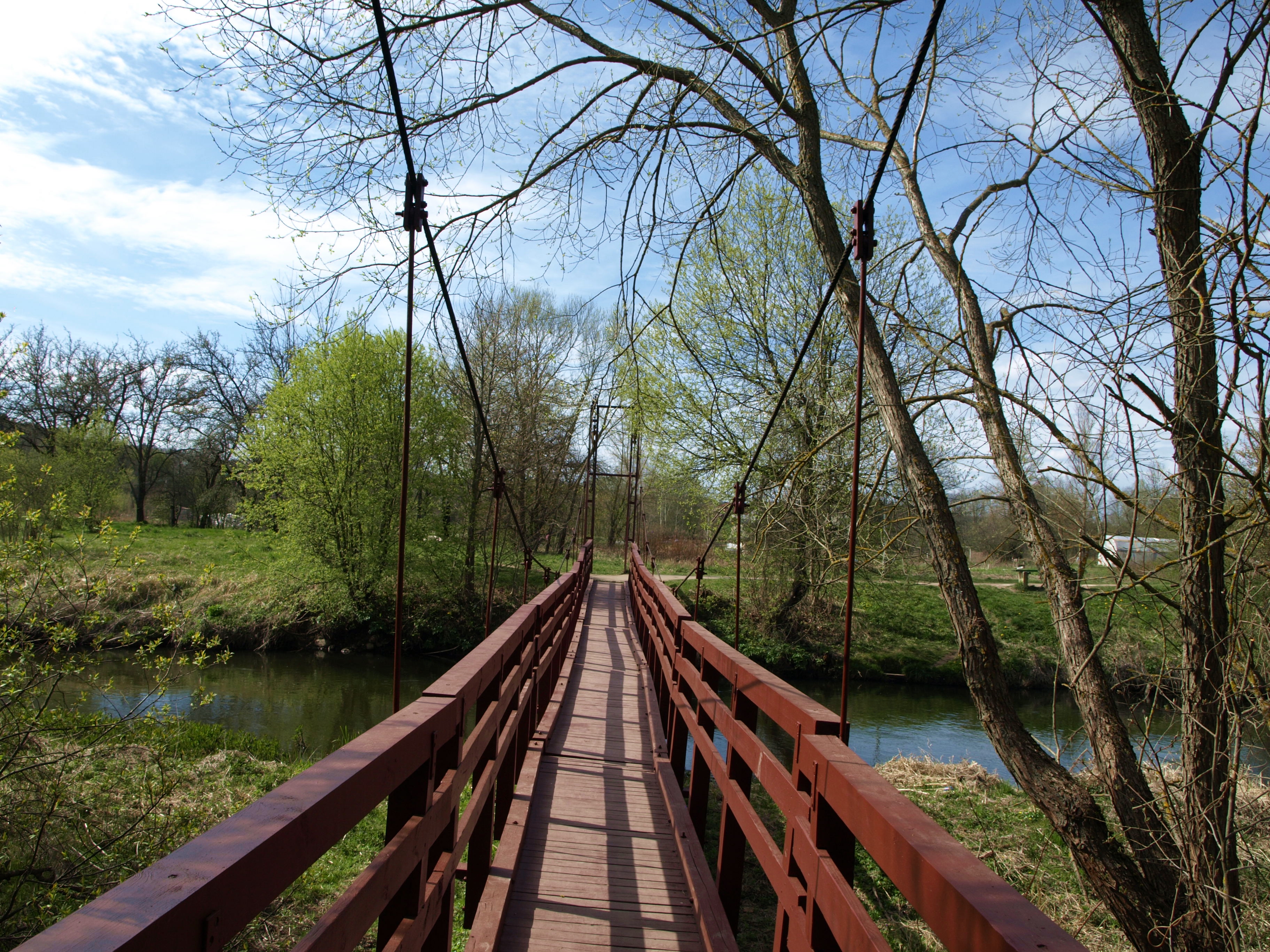
The course of the Vokė is through the southern part of Grigiškės in a beautiful valley: the…

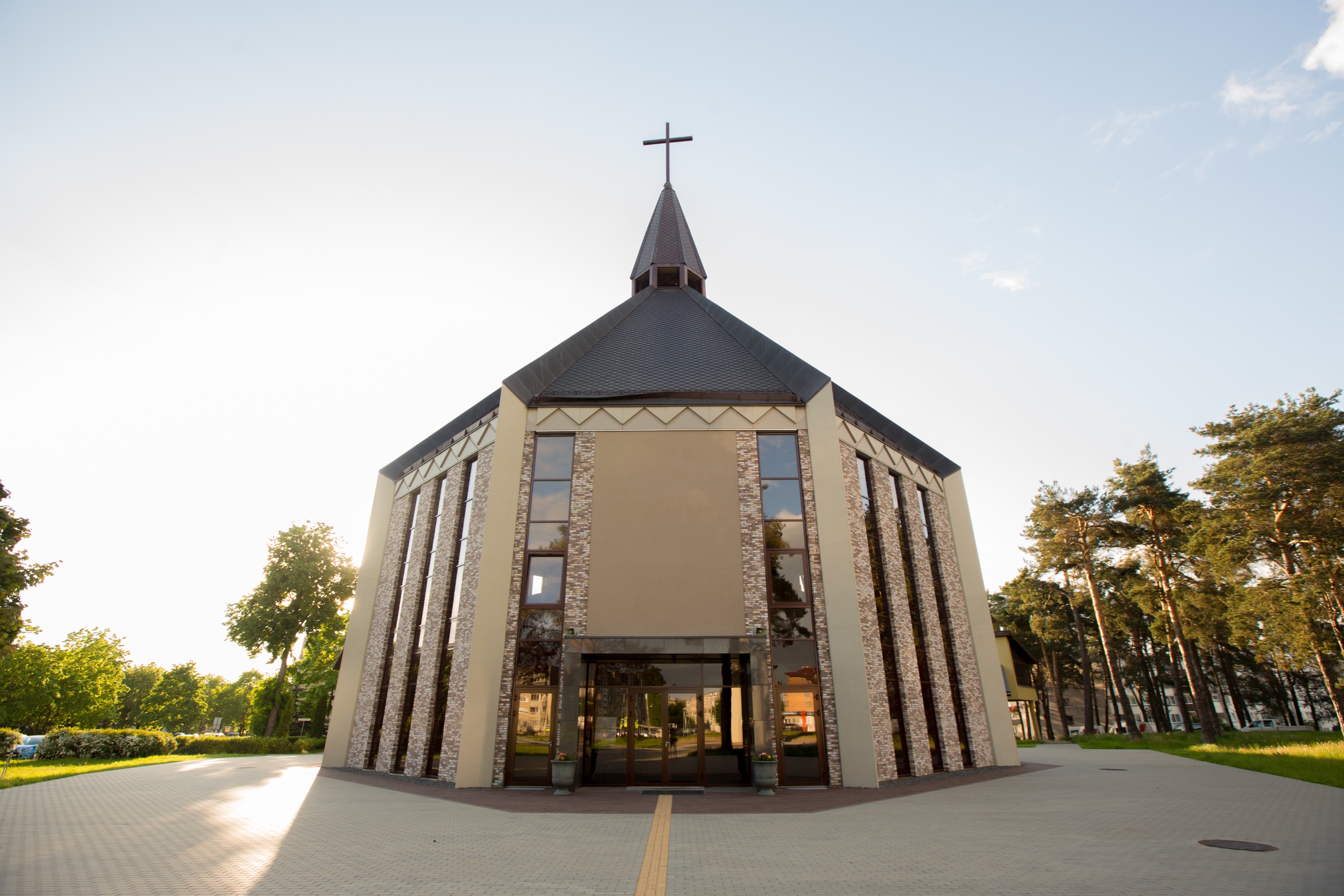
7. Grigiškės Church of the Holy Spirit

The settlement, which grew up next to a paper mill after the war, lacked a sacred accent – a…

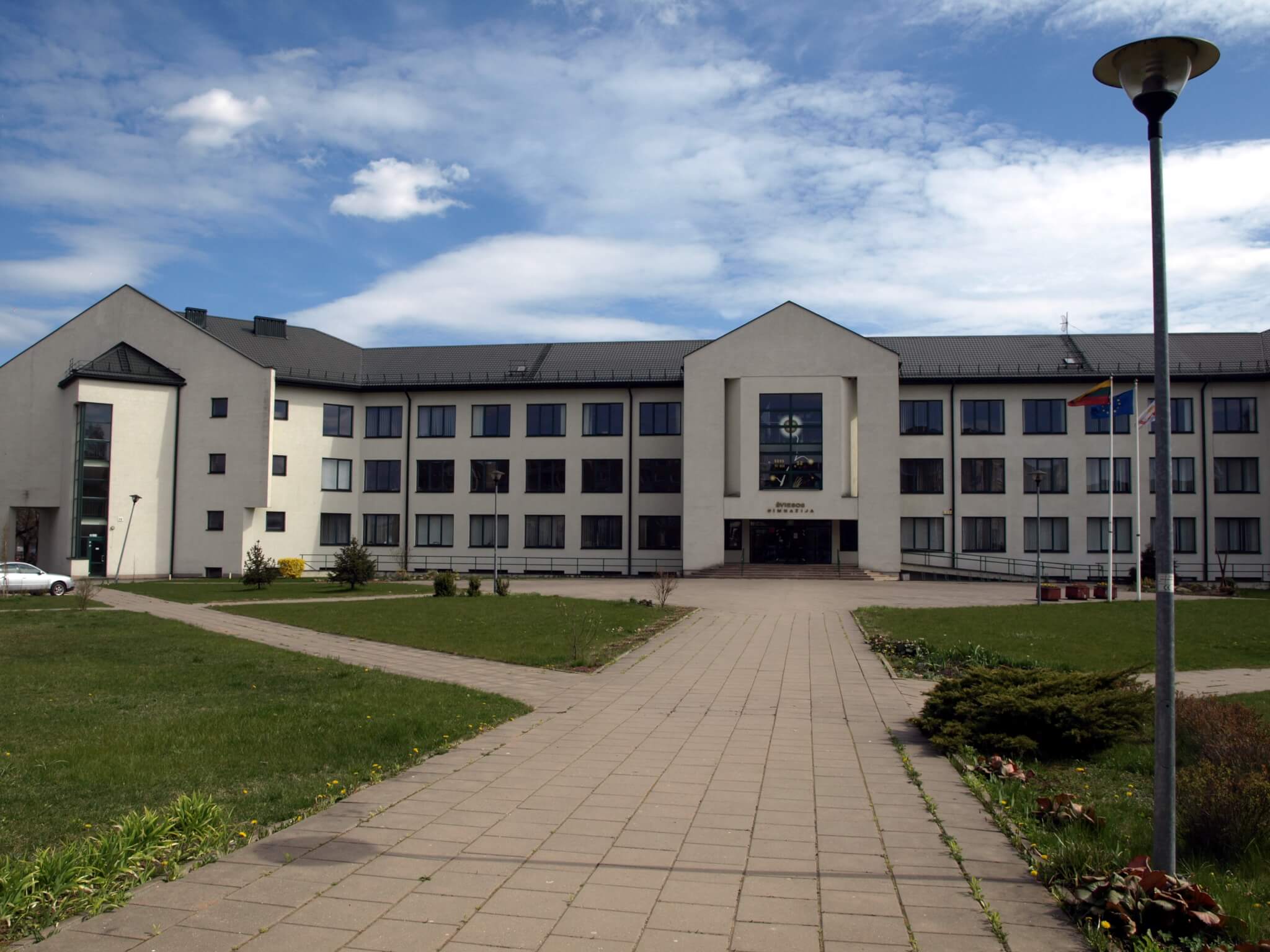
8. South East Grigiškės and ‘Šviesos’ Gymnasium

In front of the church, there are typical 1-464 series 5 and 9-storey blocks of flats constructed…

9. Afindevičiai village

When the Crimean Tatars settled in the Grand Duchy of Lithuania in the 14th and 15th centuries, one…

10. Neravai village

Located near the river Neris, the village of Nerava also belongs to Vilnius City Municipality. Only…