

The retreating glacier has given us our favourite city skyline viewing spots, recreational hillsides and a natural history museum right under our feet. Following this route is a real exercise in imagination. Can you imagine the old riverbed that once flowed where trolleybuses now travel along? Can you believe the hillside you are sitting on was once full of melting glacial water? Discover where mammoth tusks were found in Vilnius, which marine animals left their footprints in the capital hundreds of millions of years ago, and what the city’s most famous square looked like when it was possible to row a boat around it.

Natural science
Follow the mammoth
Ice Age legacies, prehistoric animals and the footprints of a mammoth that walked through Vilnius
Įrašo pavadinimas:



Point route
This is a free-form route with no fixed order of stops - explore in whatever way is most convenient for you!
Means of travel
On foot
Additional information
Routed by Simonas Saarmann
Freedom to improvise!
This is a free-form route with no fixed order of stops - explore in whatever way is most convenient for you!
Route map

The street where the Vilnius Mammoth was found
In 1957, excavations took place in what is now Smėlio Street. The city was expanding, and new…

Marine fossils on the banks of the Vilnia River
Wandering along the banks of the Vilnia and the Neris, one can come across some unexpected finds –…
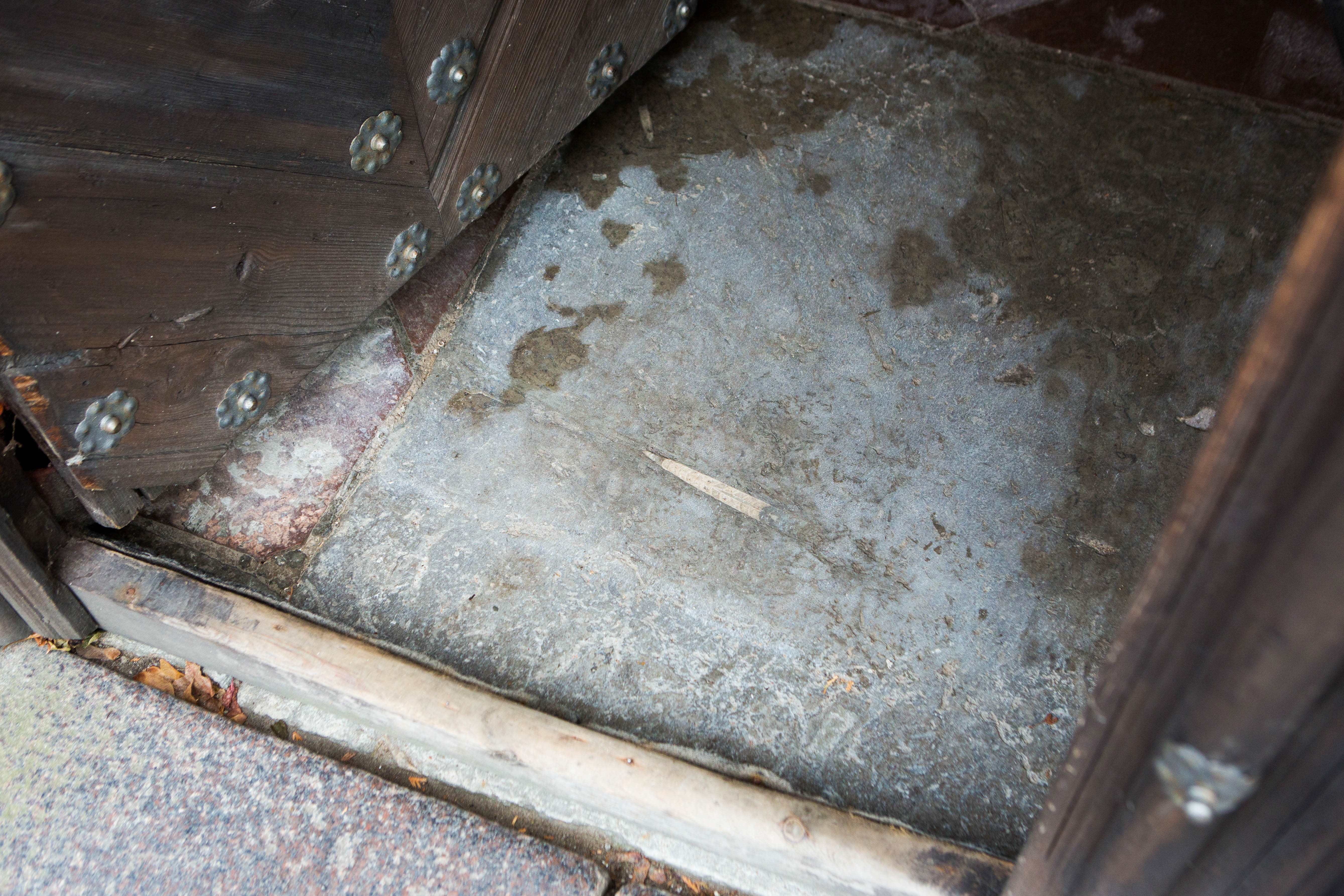
A prehistoric mollusc on the pavement of a church
The myth of the great flood as the punishment of the gods for the sins of mankind recurs in many…

The museum that preserves a mammoth tusk and tooth
Vilnius University has been collecting the works of scientists who have studied the Ice Age in…

Boulders from a time when only unicellular organisms lived
The Earth’s crust is like a pie. Each layer has been ‘stained’ by various natural…

A glacial stone carried by ice
In the courtyard of the Contemporary Art Centre, there is a six-part sculptural composition by…

The glacial foundations of the church
Duke Sigismund Augustus wanted to pay his respects to Barbara Radziwiłł by building a magnificent…
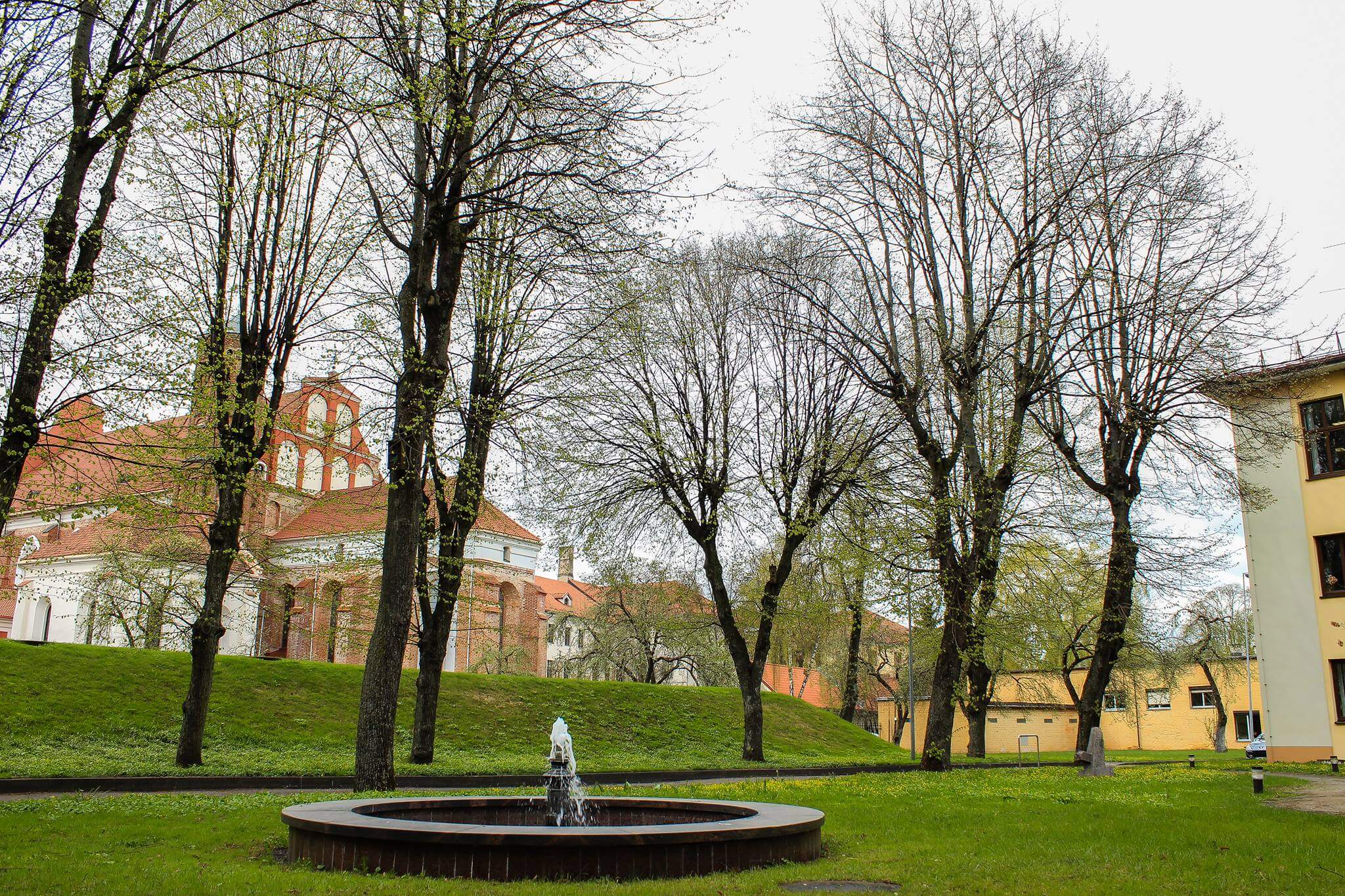
Sereikiškių Waterworks, the oldest in the city
Lithuania is one of the few countries in the world that uses only untreated groundwater for its…

A pavement that would have been the envy of ancient Rome
The pavements of Vilnius Old Town provide a luxurious surface to walk on. Many of the stones that…

Relatives of Puntukas on Gediminas Avenue
As you walk along Gediminas Avenue, look out for the terraced late modernist building. It is…

The famous Vingrių springs under Vingrių Street
The whole of the New Town area sits on rich glacial deposits of gravel and sand. There is always…

A borehole reaching layers that are 65 million years old
During the Russian Empire, huge barracks were built in Vilnius. Their location was determined by…

Gravel pit filled by a glacier
Sitting on a bench in the square dedicated to the composer Eduardas Balsys, one can imagine that…
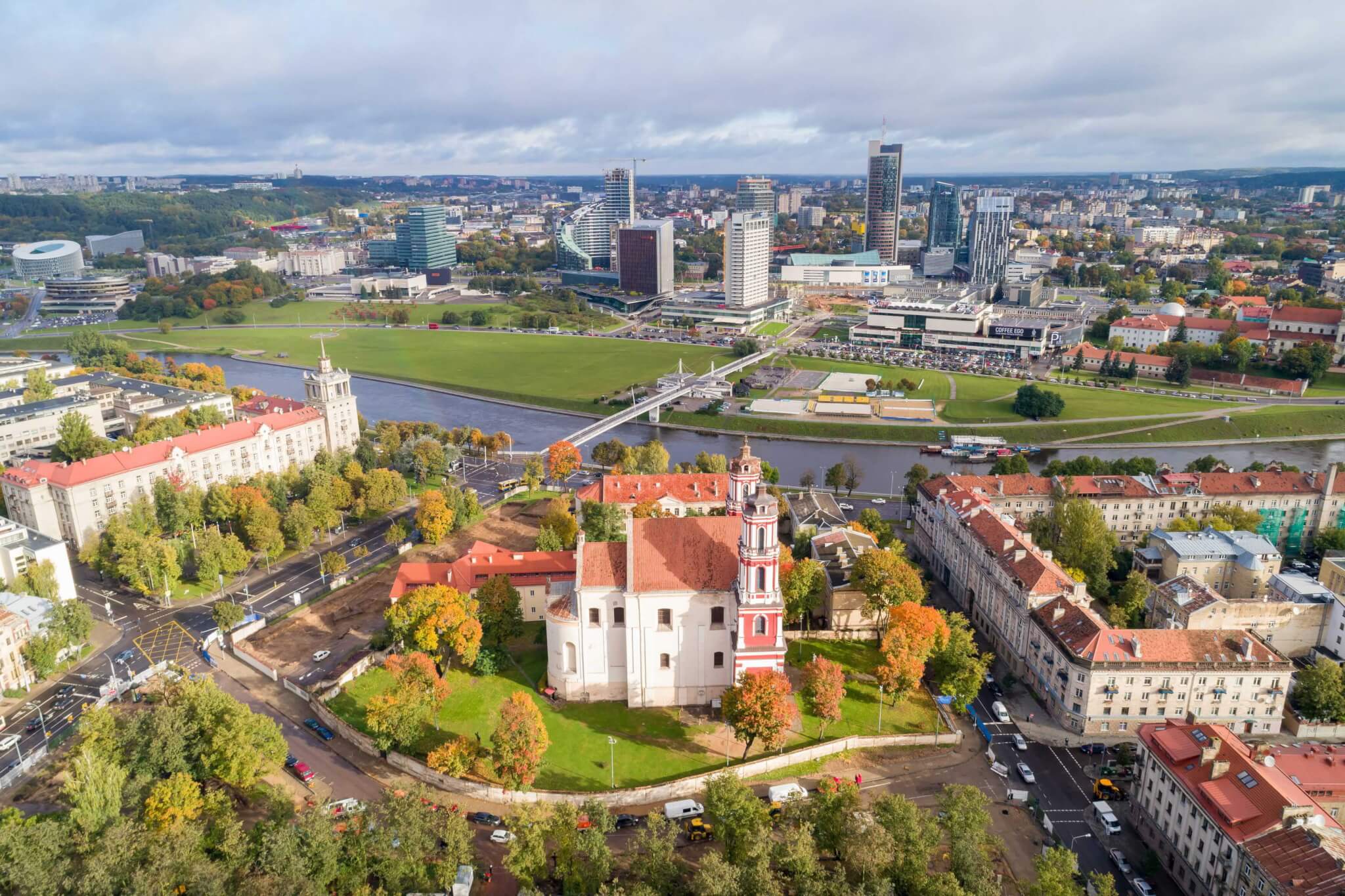
Thank a glacier for this playground
The glacier that once shrouded Vilnius retreated but did not melt evenly. Groundwater was not…
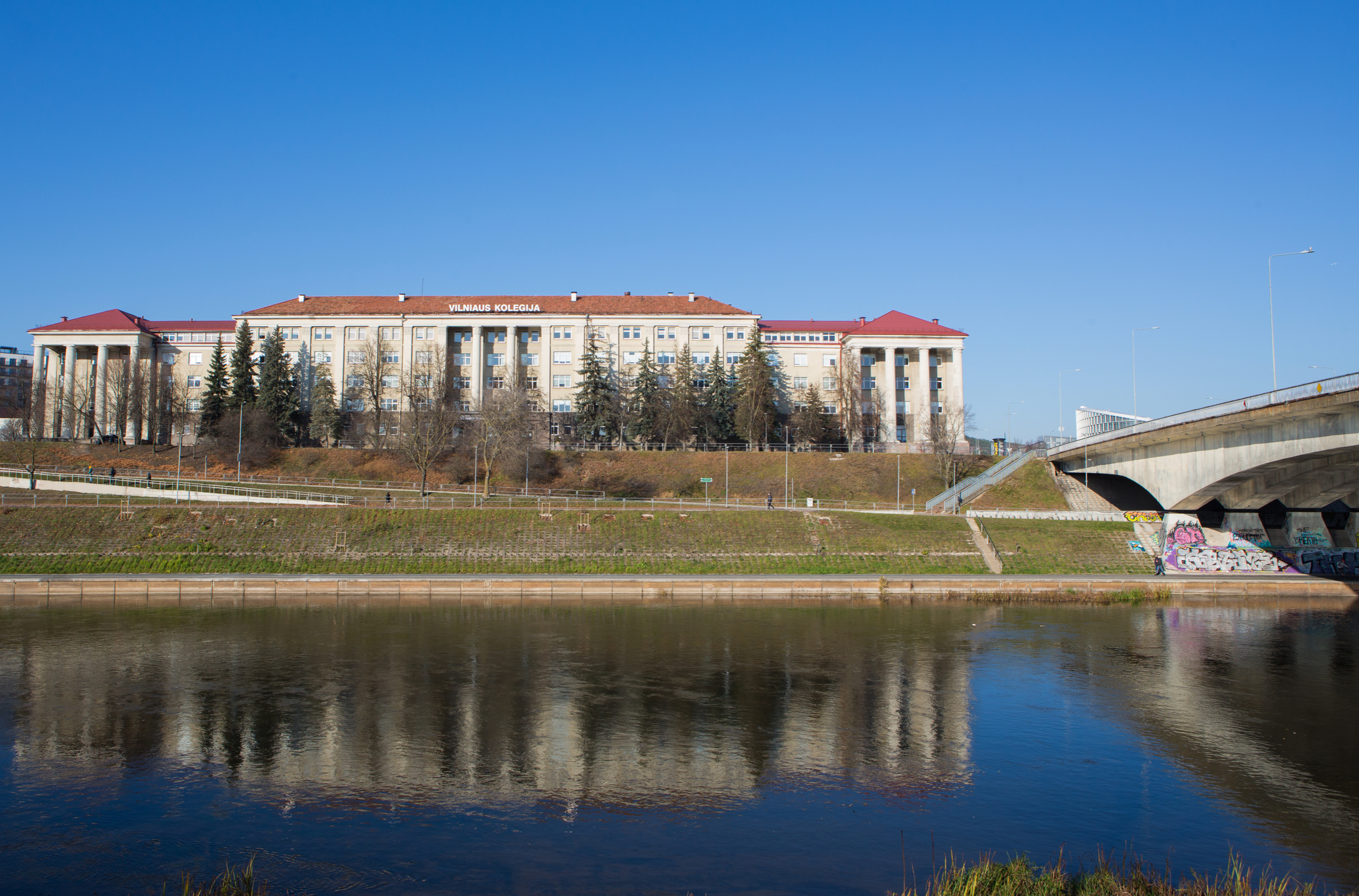
Unexpected springs on the banks of the Neris
Layers of sand and gravel, crushed by glaciers and folded horizontally, are real underground water…

The Glacial Gorge – The Šeškinė Esker (Os)
Imagine the whole of Šeškinė covered by ice a kilometre thick. Underneath, streams of melting water…
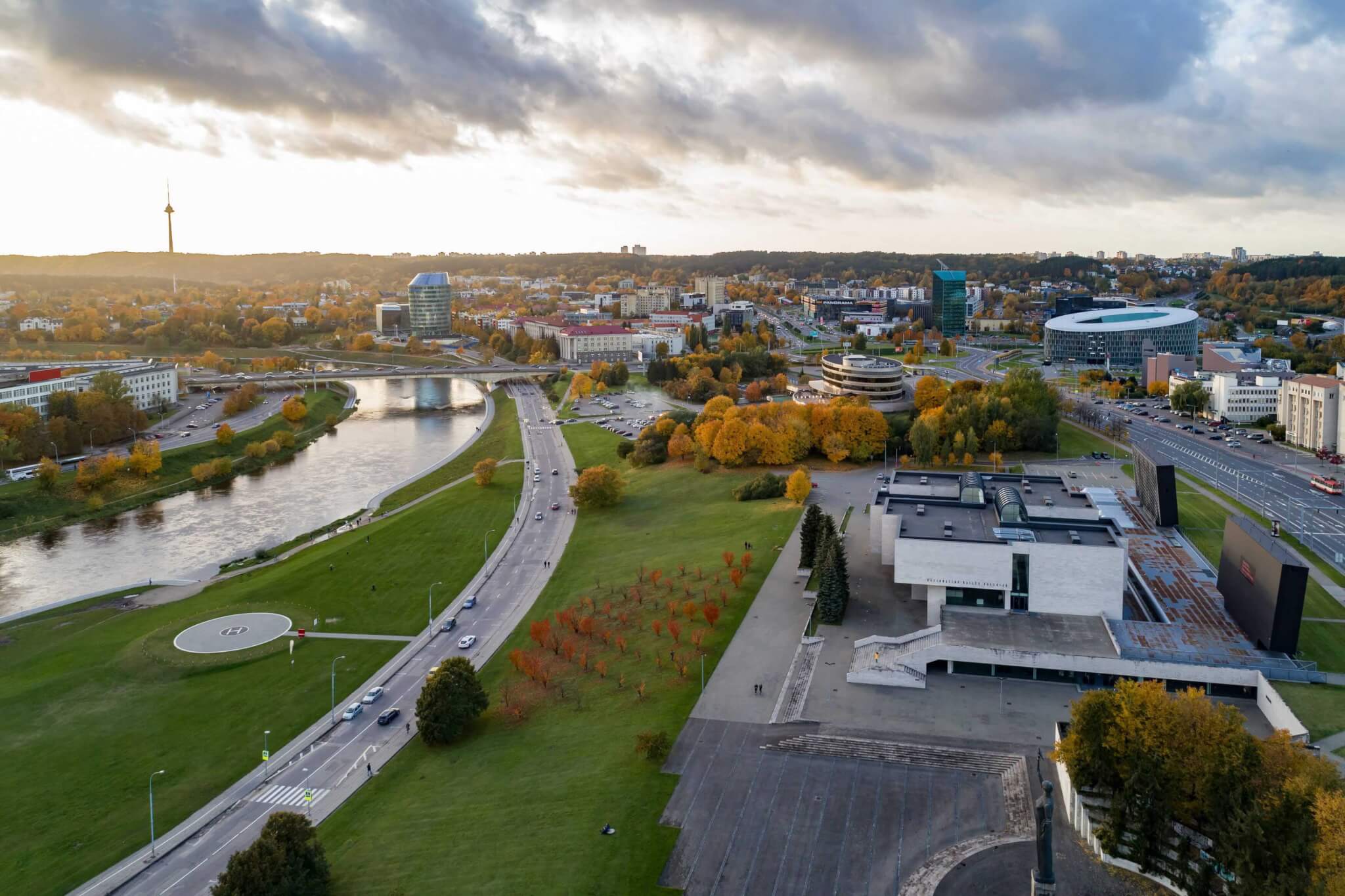
A favourite meadow of Vilnius residents – underwater
Even if the glacier had melted completely, it would have been not only cold but also dangerous to…

Vilnius flood, which resembled a post-glacial river
As the glaciers melted, the Vilnius area was in the midst of a torrent of water. The Vilnia did not…

When Gedimino Hill and Kalnų Park were merged
Mammoths certainly did not walk along the current Trispalvės Avenue, as Gedimino Hill and Kalnų…

The brightly coloured cliff of Bekešo Hill
After the glaciers melted, the trees on Bekešo and other neighbouring hills did not stay green for…
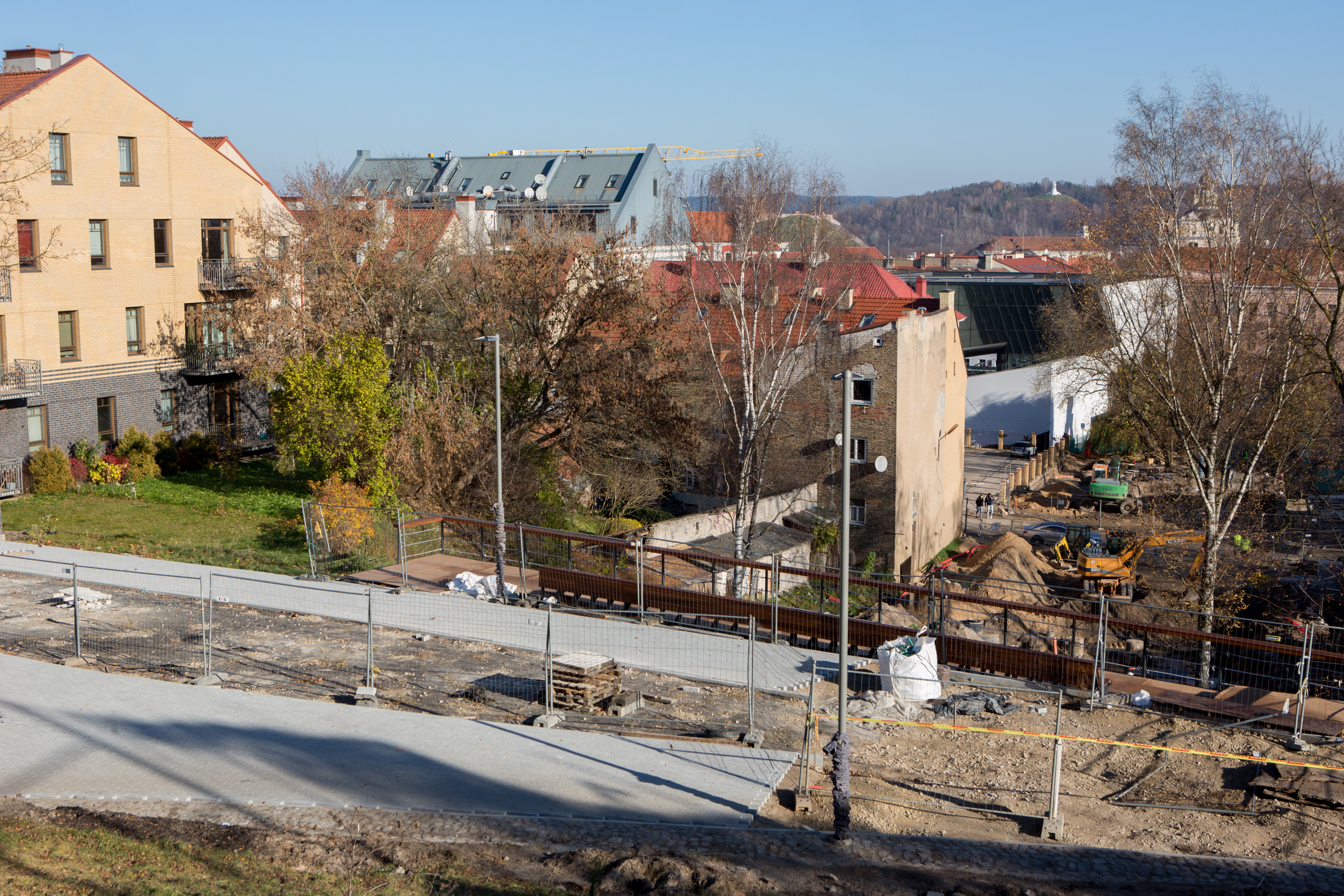
Vilnius City Cirque
When a slope is made of fine sand, it is easy for groundwater to wash it away. Around such a spring…
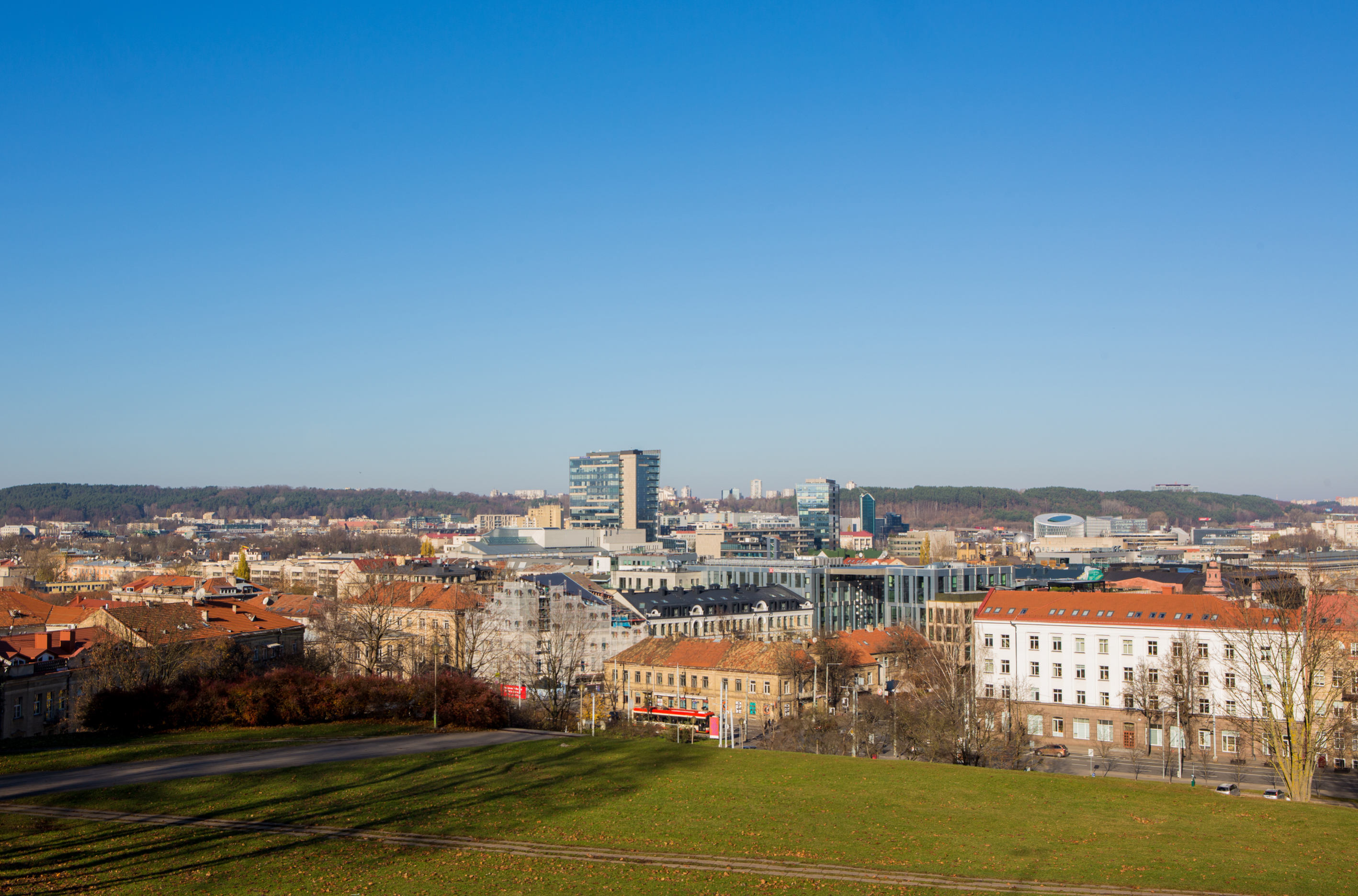
The Pra-Neris, flowing in the opposite direction
Standing on Tauro Hill and looking towards the slopes of Šeškinė, you can see a 2-3 km wide valley.…
Objekto informacija
