Vilnius Mills - Neakivaizdinis Vilnius
Eiti prie pagrindinio turinio
Neakivaizdinis Vilnius Neakivaizdinis Vilnius
History

Vilnius Mills

Harnessing wind and water power

Įrašo pavadinimas:

In pre-industrial towns, mills were the first facilities to harness wind and water power, enabling more mass production. The power of mills was used to grind grain, saw boards, make paper, crush rock, grind gunpowder, press oil and facilitate or speed up other hard, monotonous tasks. Sometimes they also acted as granaries, regulating the water level of rivers and canals; some were even used for defence purposes.

It is believed that the first windmills in Vilnius date back to the 14th century. The map of Vilnius (1581) in the atlas of maps of the largest cities by Georg Braun and Frans Hogenberg shows a huge watermill (labelled in German as Die Muln) with several waterwheels, though it is incorrectly marked near the Neris.

The first ‘industrial’ zone in Vilnius, with its many windmills, was created and developed in the 16th and 19th centuries along the flowing River Vilnia, following the entire 12-kilometre-long stretch between the Lower Castle and old Rokantiškės. 

Windmills were not common in Vilnius and its surroundings, but there were some isolated ones: two windmills were operational in Verkiai in the 18th century, a windmill in Žvėrynas was mentioned by the doctor Joseph Frank, and a capped Dutch-type windmill can be seen in the hills of Naujininkai behind the Vilnius railway station in a photograph taken by Józef Czechowicz during the second half of the 19th century.

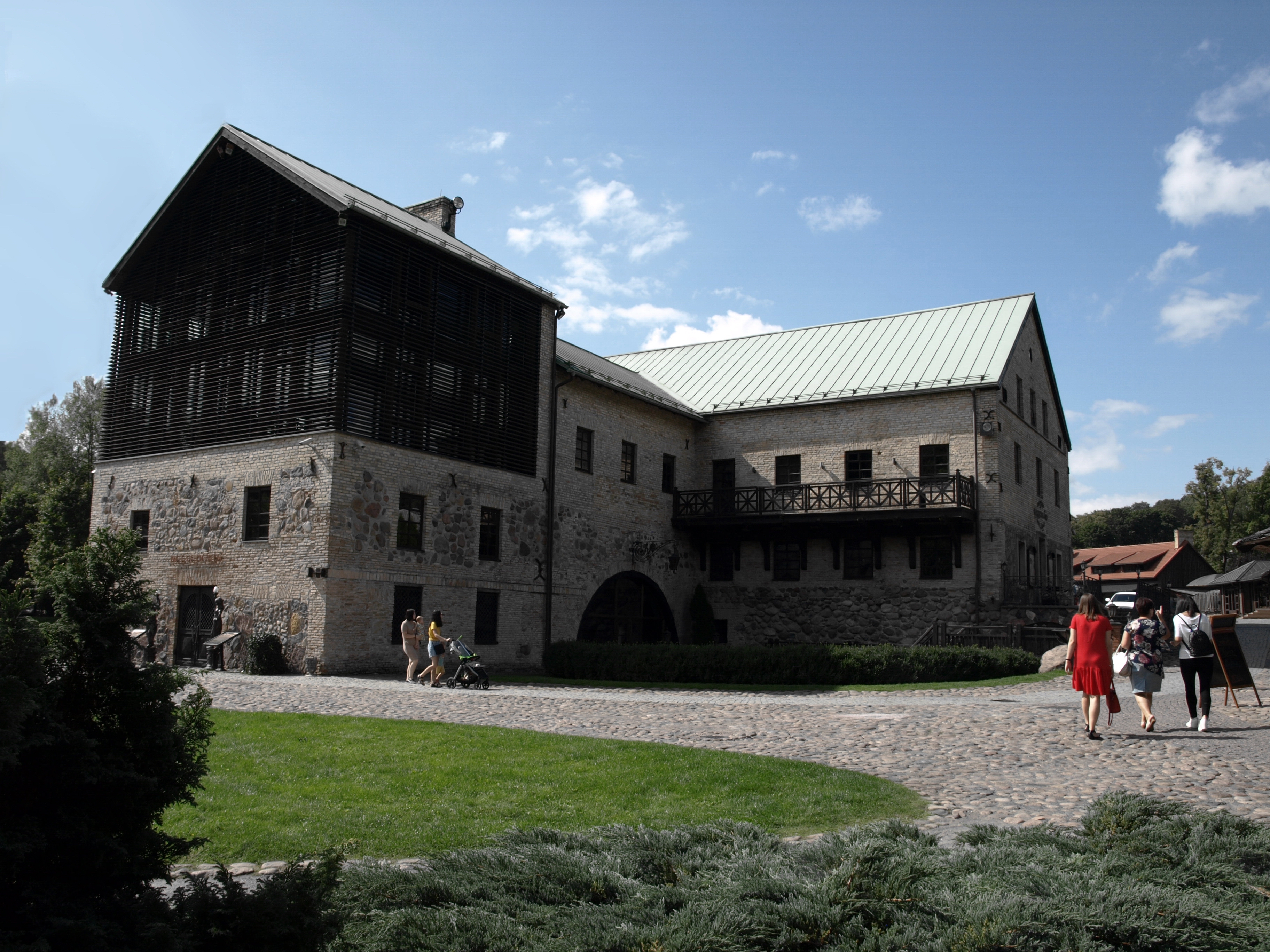
Although most of Vilnius’ historic mills have disappeared, there are still water and windmills in the capital that have been repurposed, something that none of the neighbouring capitals can boast of.


Point route

This is a free-form route with no fixed order of stops - explore in whatever way is most convenient for you!

Means of travel
On foot
Additional information

Routed by Artūras Savko; Photos Artūras Savko

Freedom to improvise!

This is a free-form route with no fixed order of stops - explore in whatever way is most convenient for you!

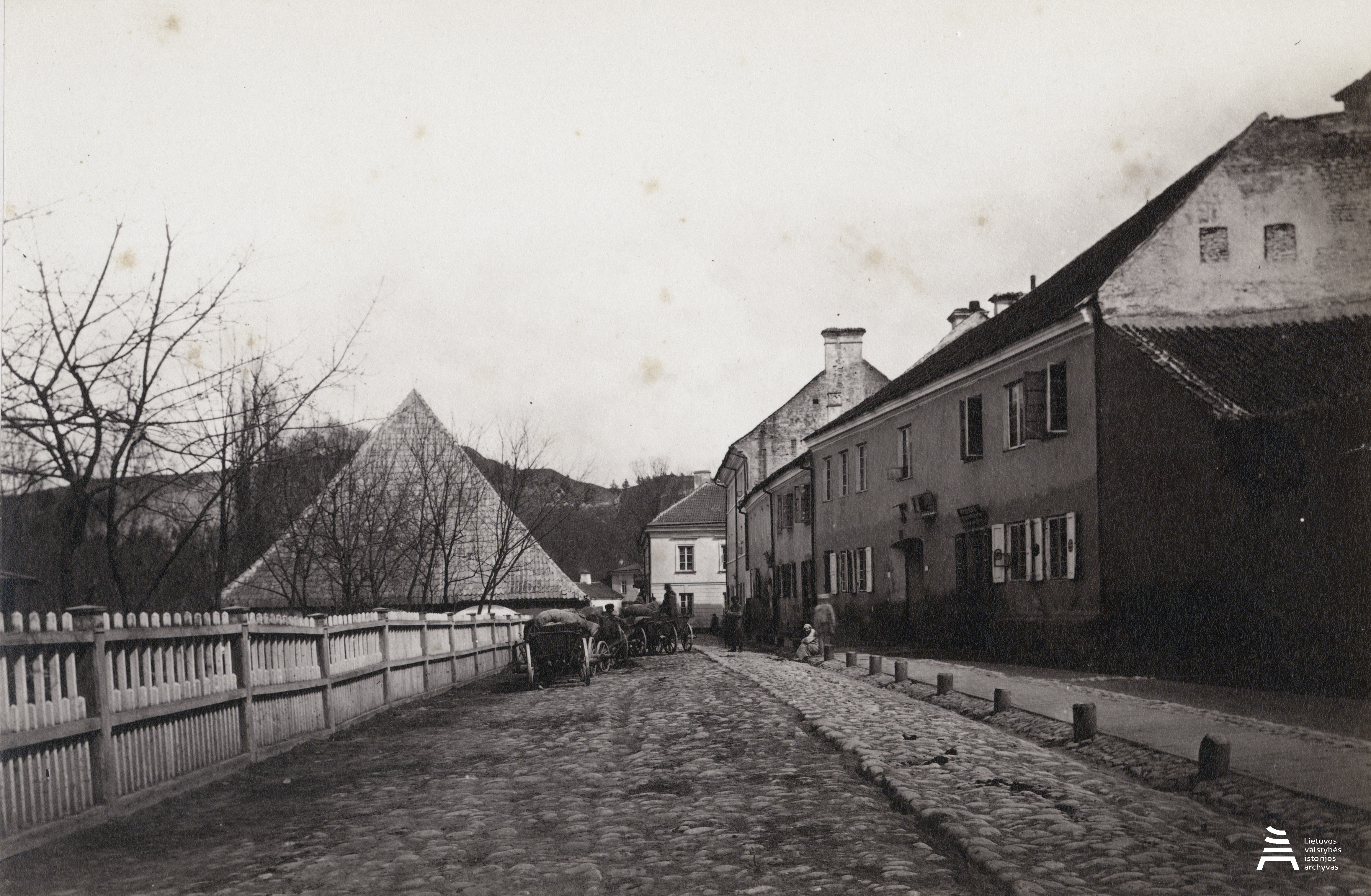
The Royal Mill (now demolished)

The oldest and most important mill in Vilnius was the Royal (Duke’s) Watermill, which stood…

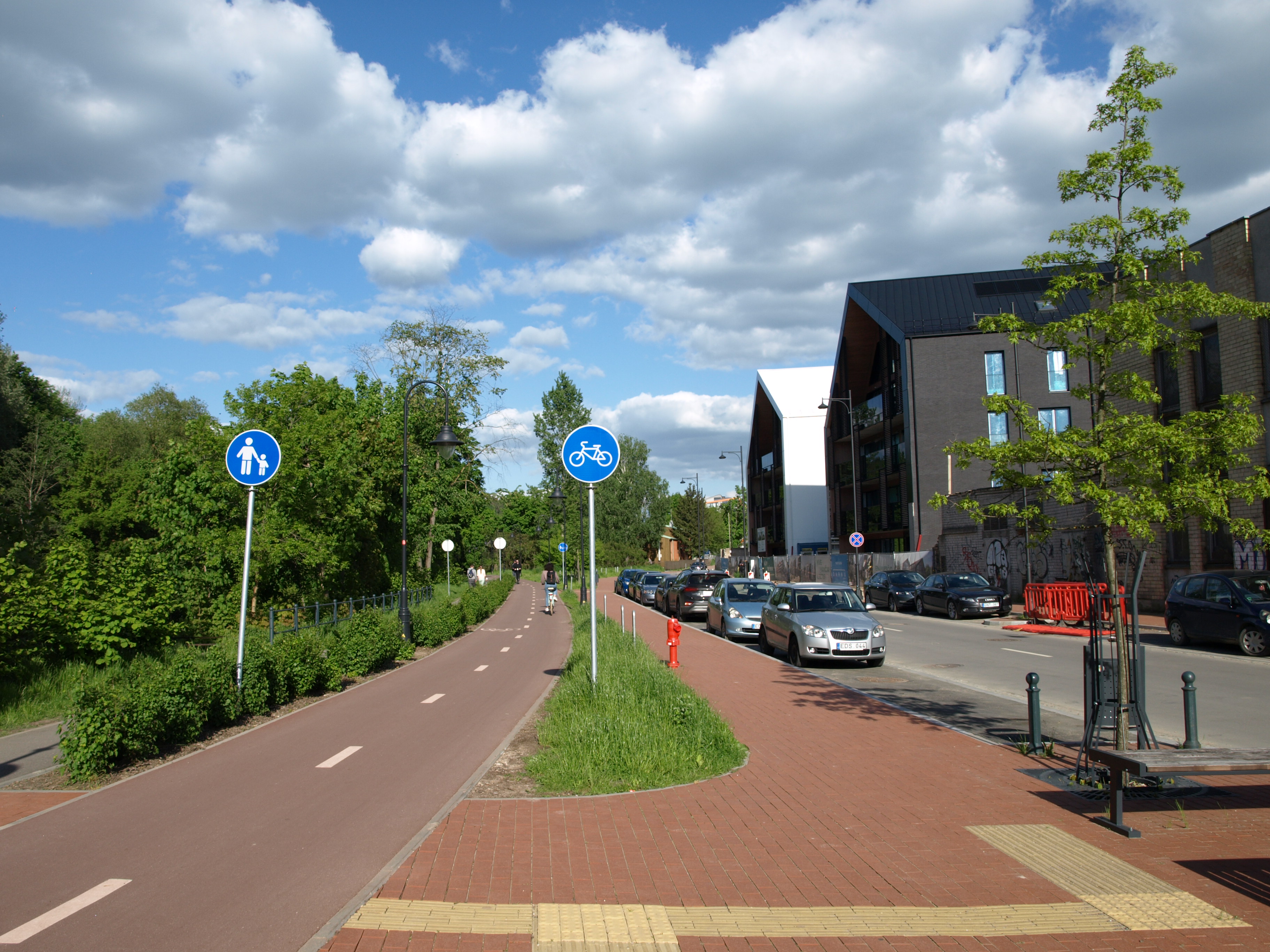
The site of the former Bishops’ Watermill

There were several other windmills downstream from the Royal Mill. The Bishop’s Watermill,…

The site of the former Voivode (later Oginski) Watermill

Until the middle of the 19th century, the windmill of the Voivoide Mill (later the Oginski family…

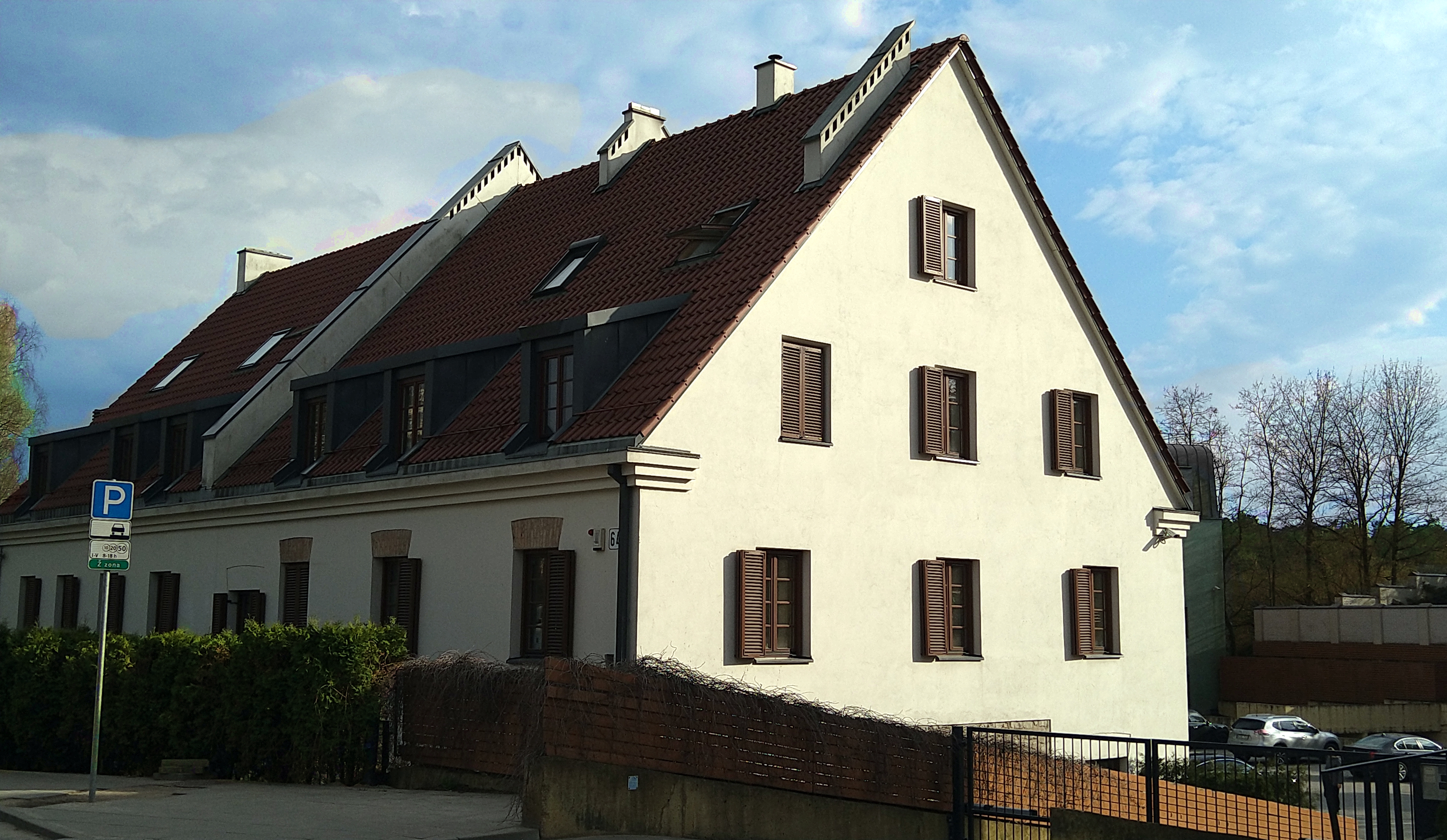
The site of the former Tyzenhauz (later Tyszkiewicz, Jogiches) Watermill

The ruins of a huge two-storey brick windmill, the so-called Tyzenhaus (later Tyszkiewicz,…

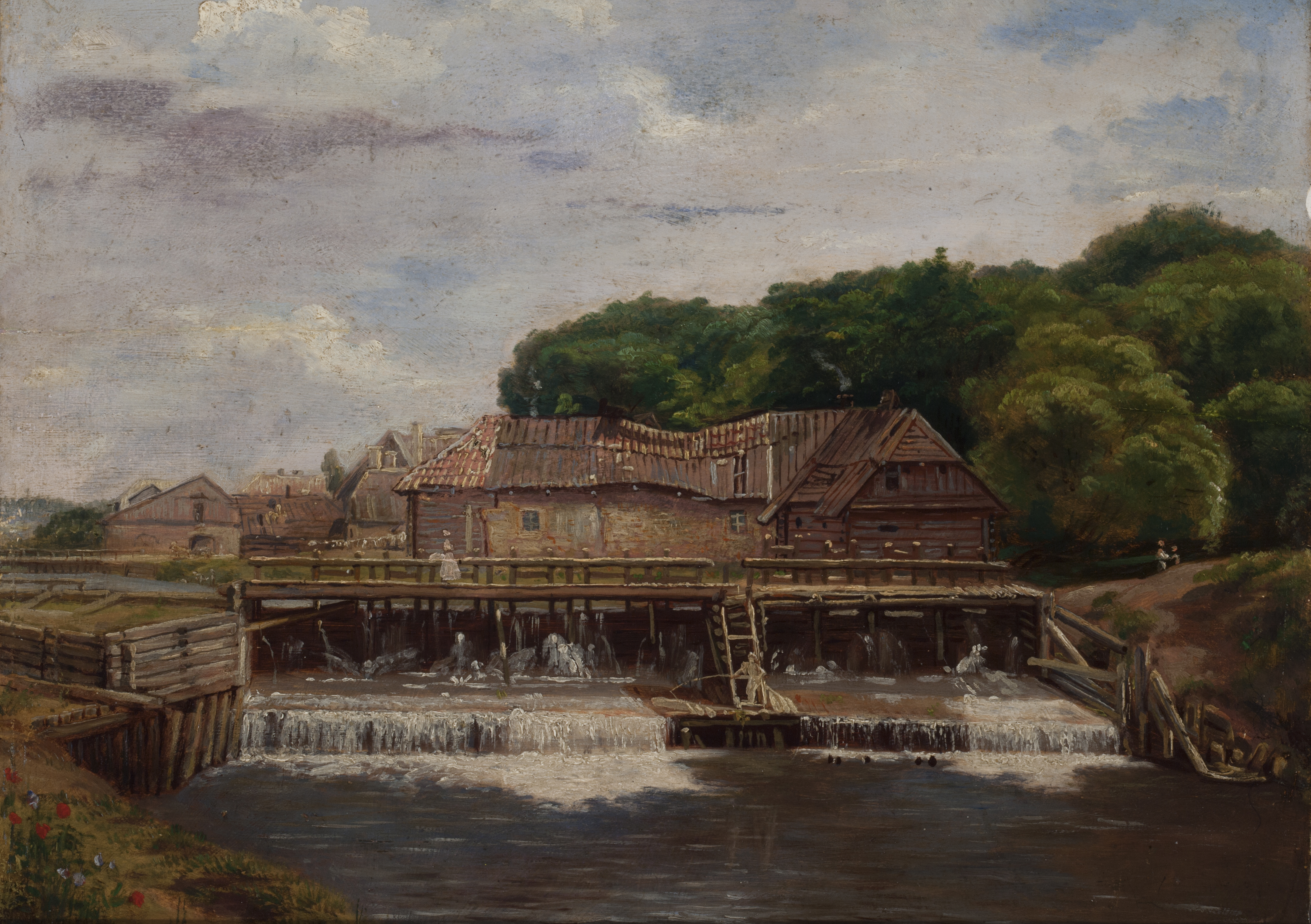
The site of the former Potocki watermill

Further up the river was the Potocki Watermill, a log, plastered watermill painted by artist Kanuty…

Belmontas Mill

Mills were built in the Vilnia River section between Paupys and Belmontas as early as the 16th…

Žvėrynas Mill

No later than the end of the 16th century, two water mills owned by the property magnates of the…

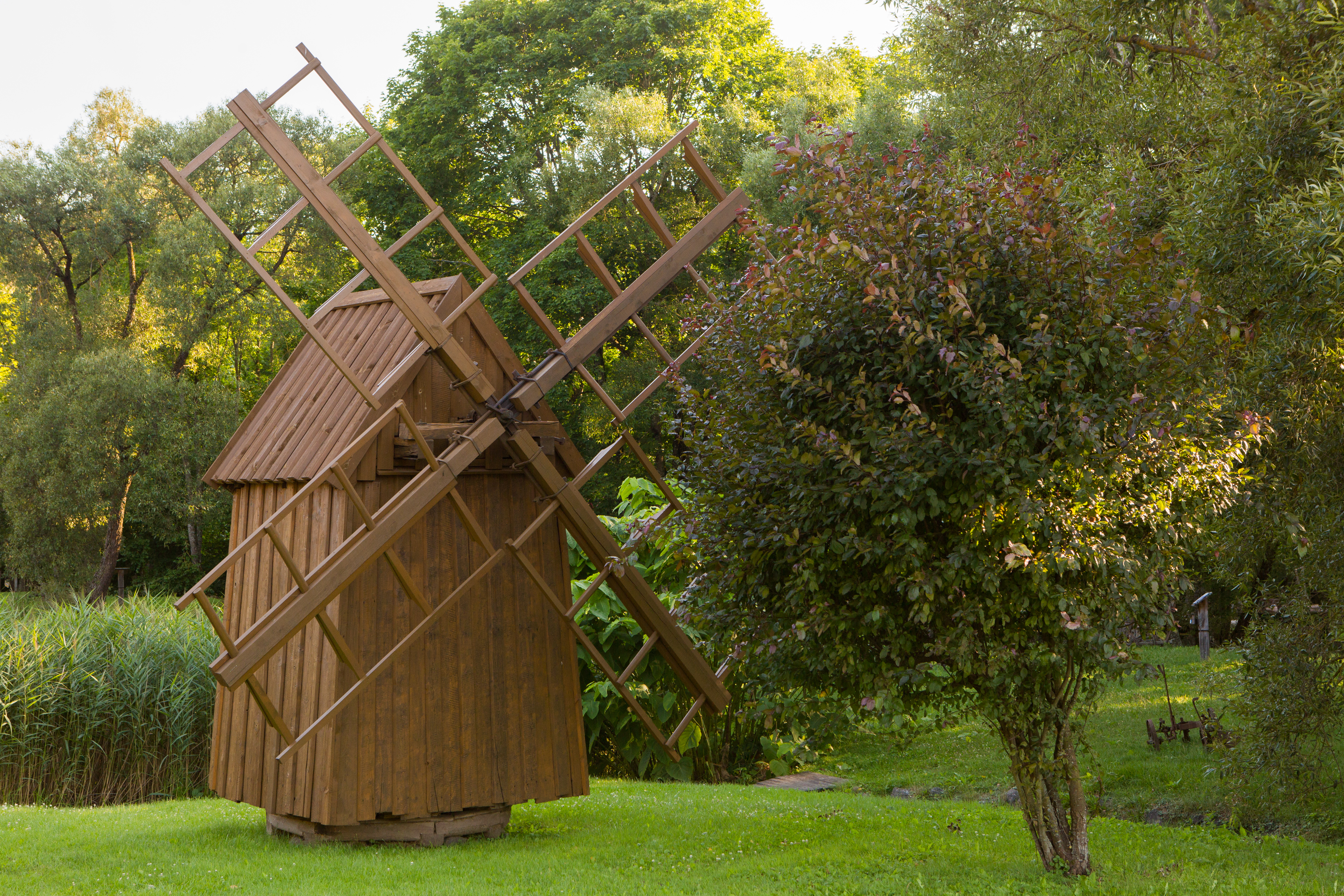
The Great Windmill of Pilaitė

This four-storey capped windmill came to Pilaitė from Liepalotai near Lukšiai (Šakiai district) in…

The Little Windmill of Pilaitė

The single-storey small windmill is 4.5 metres in height; like its bigger brother, it came to…

The Watermill of Pilaitė

The water resources of the Sudervė stream, which flows into the Neris River in Gariūnai, have been…

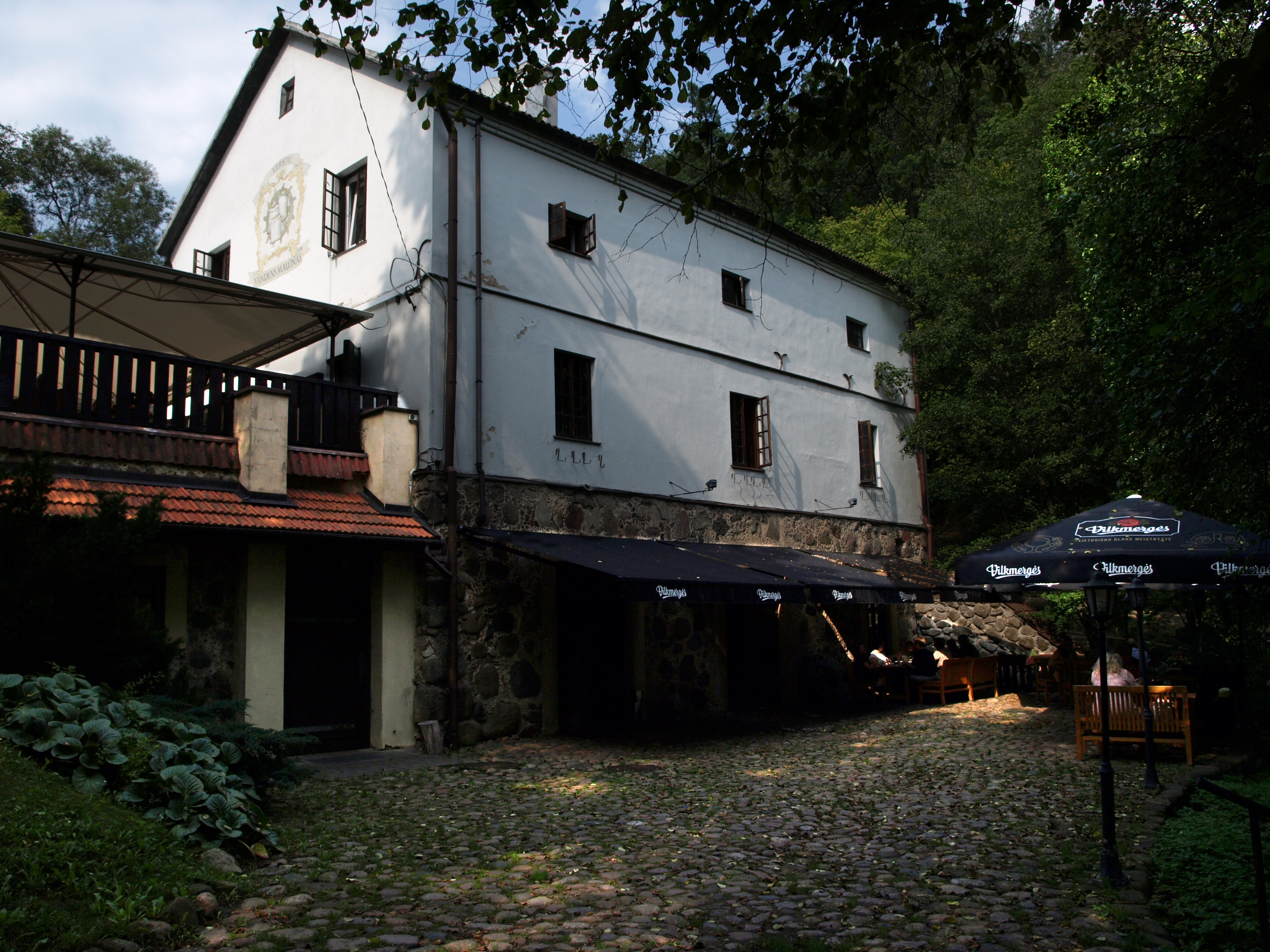
Verkiai Watermill I

Two classical watermills, one of which is seen in a watercolour by Franciszek Smuglewicz with a…

Verkiai Watermill II

Another former mill can be found a little further away from the mill where the restaurant is now…

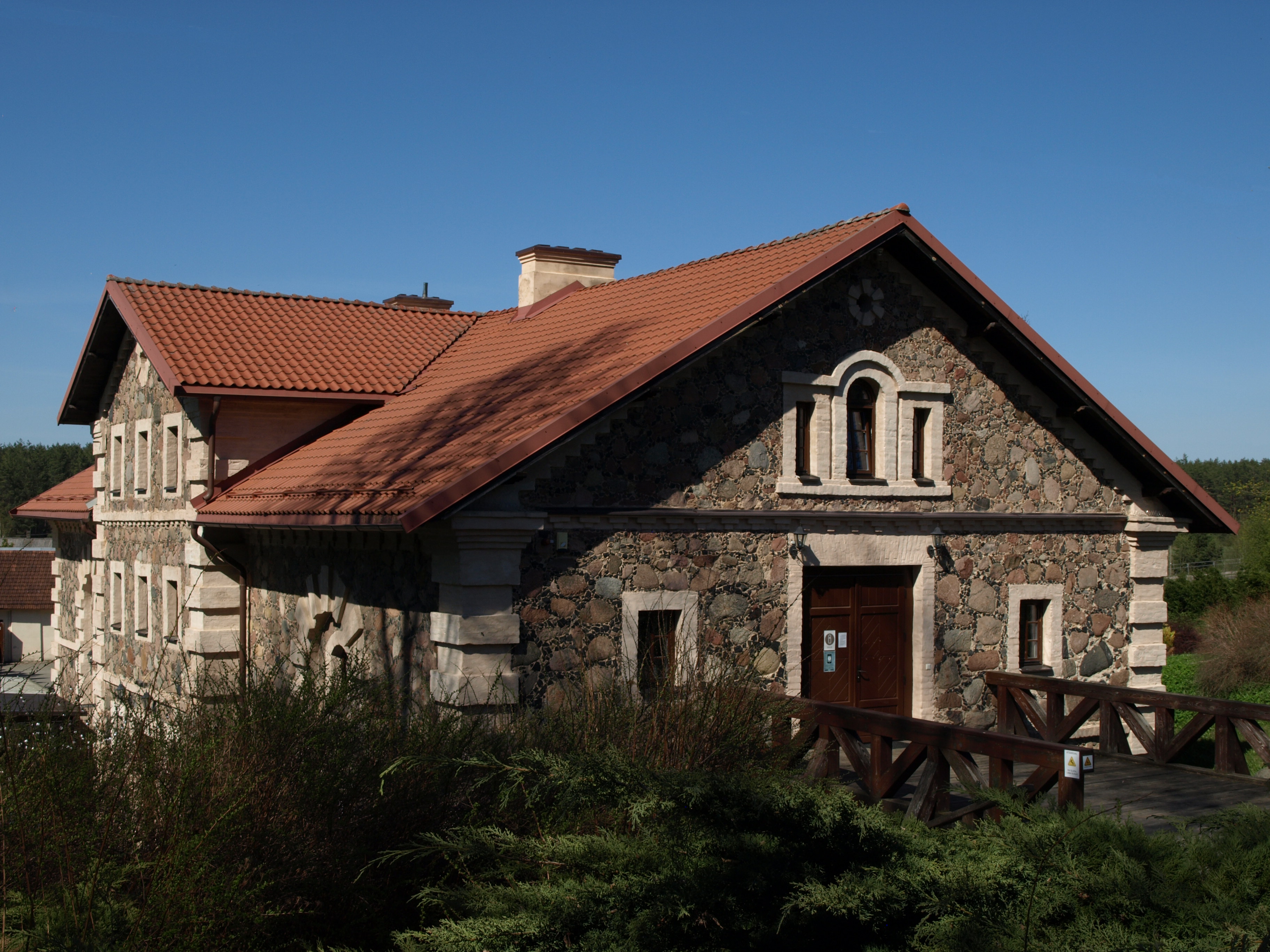
Kairėnai Mill

Kairėnai Manor, which has at various stages belonged to the Kiszka, Sapieha, Tyzenhaus, and…

Liubavas Mill

This mill is well worth ‘crossing’ the Vilnius city border for, so head out into Vilnius district!…