The chirping slopes of Karoliniškės - Neakivaizdinis Vilnius
Eiti prie pagrindinio turinio
Neakivaizdinis Vilnius Neakivaizdinis Vilnius
Natural science

The chirping slopes of Karoliniškės

Pleasantly confusing forest paths and its vocal inhabitants

Įrašo pavadinimas:

Many of the city’s residents are familiar with the green areas of Vilnius – Vingis Park, Bernardinų Gardens – and have visited Kalnų Park many times, but few have ventured through the spectacular forest that stretches beyond the residential areas of Vingis Park, on the other side of the River Neris.

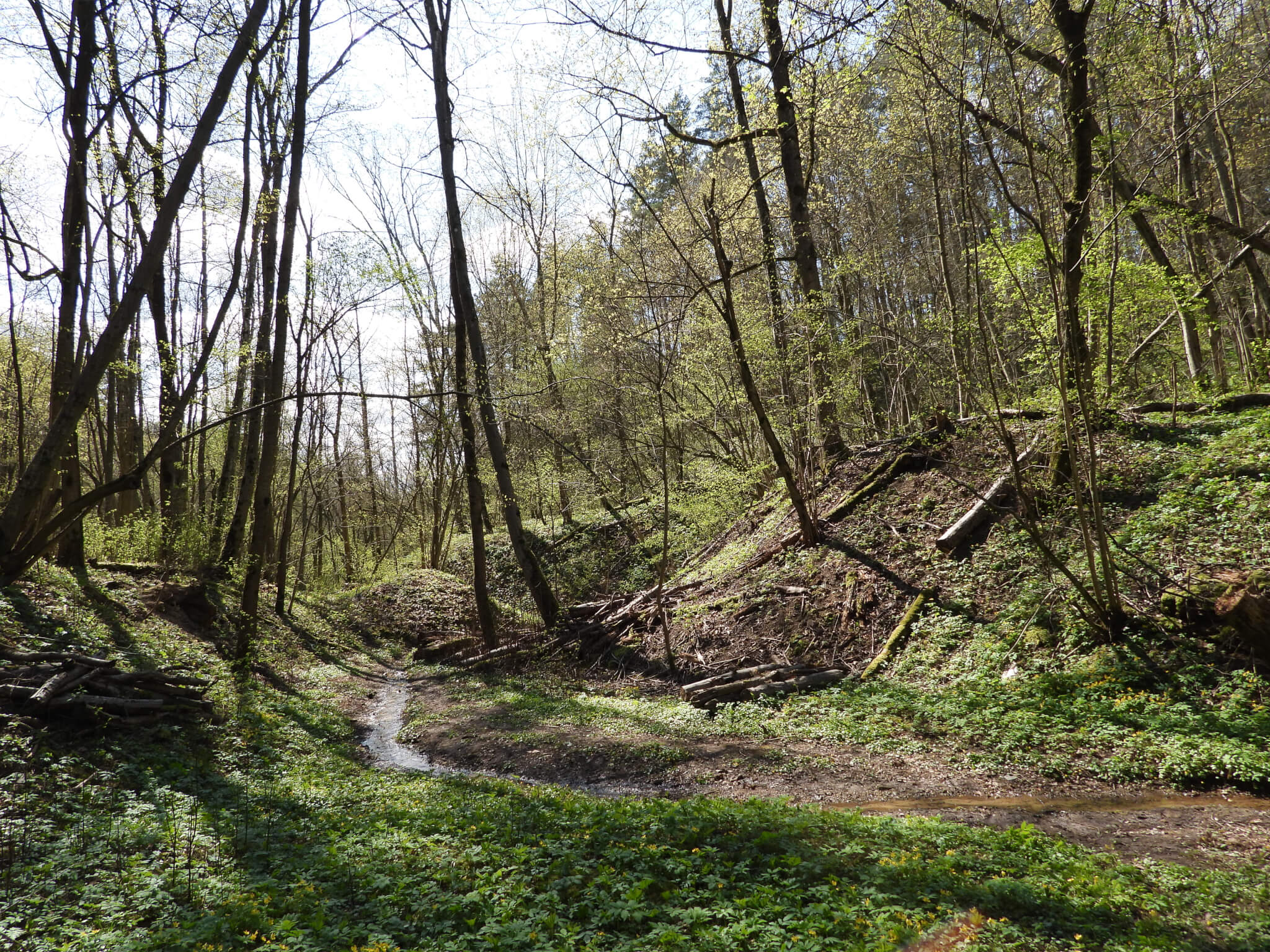
The abundance of pleasantly beguiling forest paths, fallen trees, deep ravines, cornucopias, and the variety of birds song and rare Lithuanian plants in bloom – all this fully justifies the status of the Karoliniškės Landscape Reserve. Incidentally, this reserve is one of the oldest protected areas in Vilnius, having been established in 1960. The area of the Reserve is considerable – 162 hectares. Along this route, you will be able to see and hear more than 50 species of birds, and see rare plant species such as Mountain St. John’s Wort, Pigeon’s Star, Perennial Honesty, Small Scabious Common Ivy, and Corydalis Intermedia. When visiting the ornithological parts of the Reserve, it is recommended that you walk at a leisurely pace, keeping your ears open and breathing in the smell of the forest (mosses, mushrooms, trees), and taking the time to look closely at each natural object. This is the only way to observe the rich biodiversity, hear the symphony of songbirds and to observe their life and behaviour.


Point route

This is a free-form route with no fixed order of stops - explore in whatever way is most convenient for you!

Start location

Bird bathing site and spring
Going from I. Šimulionio g.

Duration
3 h Without going inside
Distance
3,50 km
Means of travel
On foot
Terrain
Challenging
Pet friendly
Additional information
  • Not suitable for the disabled and parents with children in strollers due to the difficult terrain;
  • Suitable for visiting with animals

Routed by Gediminas Petkus

Freedom to improvise!

This is a free-form route with no fixed order of stops - explore in whatever way is most convenient for you!

Bird bathing site and spring

In the spring you will see birds coming to drink or bathe. This ritual is particularly common on…

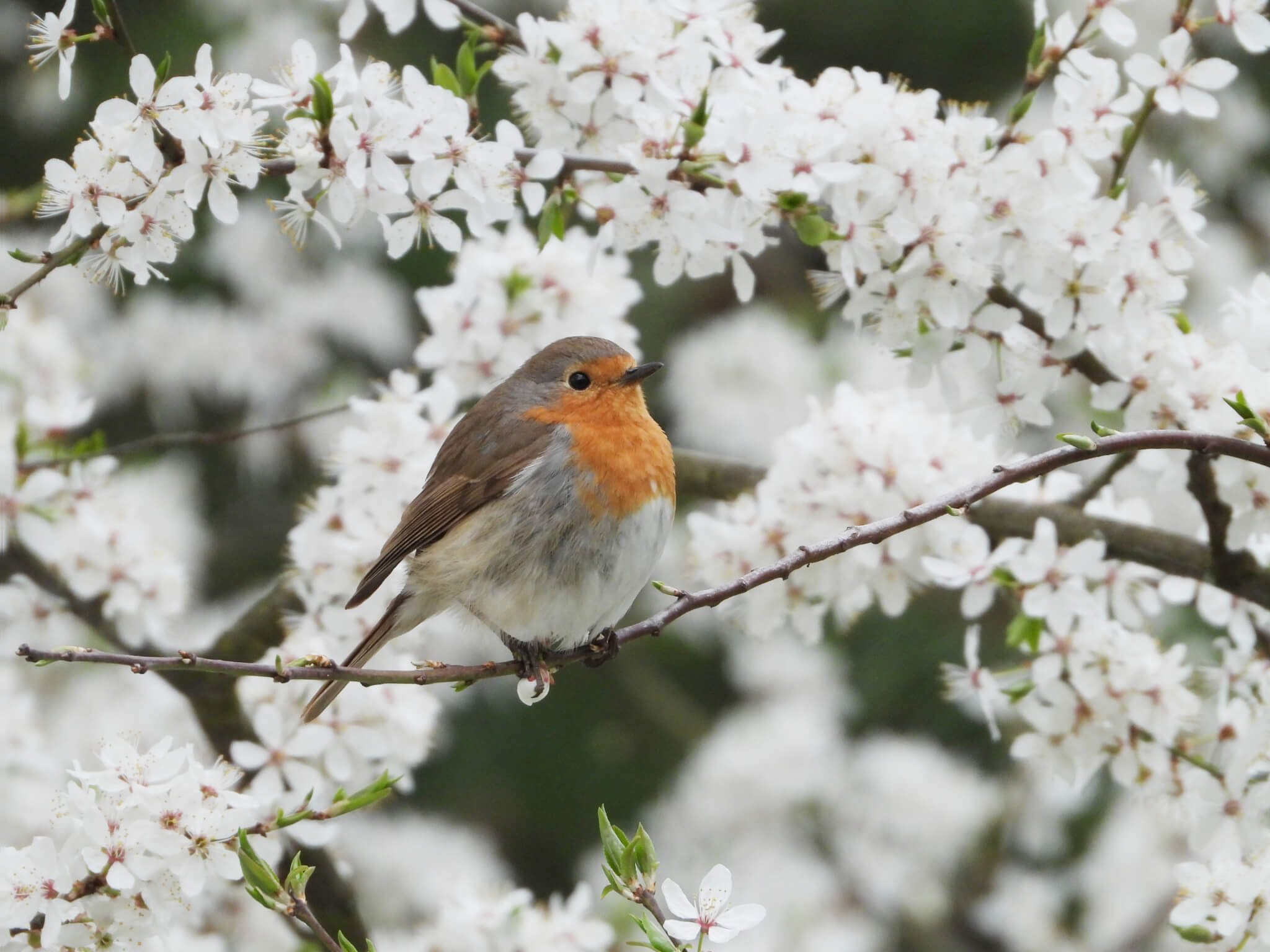
The Robin

The Robin is slightly smaller than the Great Tit. One of the most common birds in our forests and…

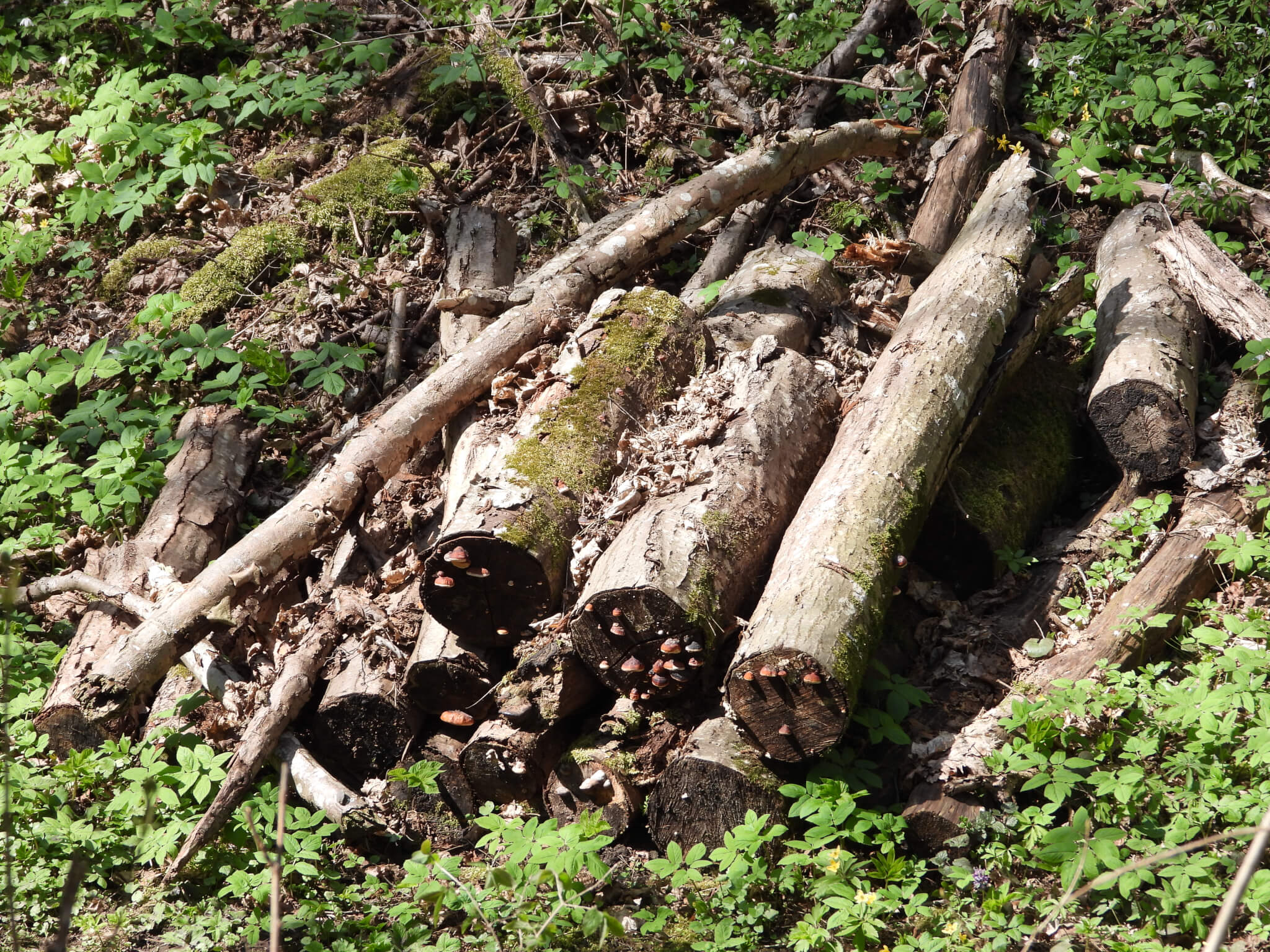
The Insect Hotel

Log piles are stacked for a reason – they are home to a wide variety of wood-dwelling beetles and…

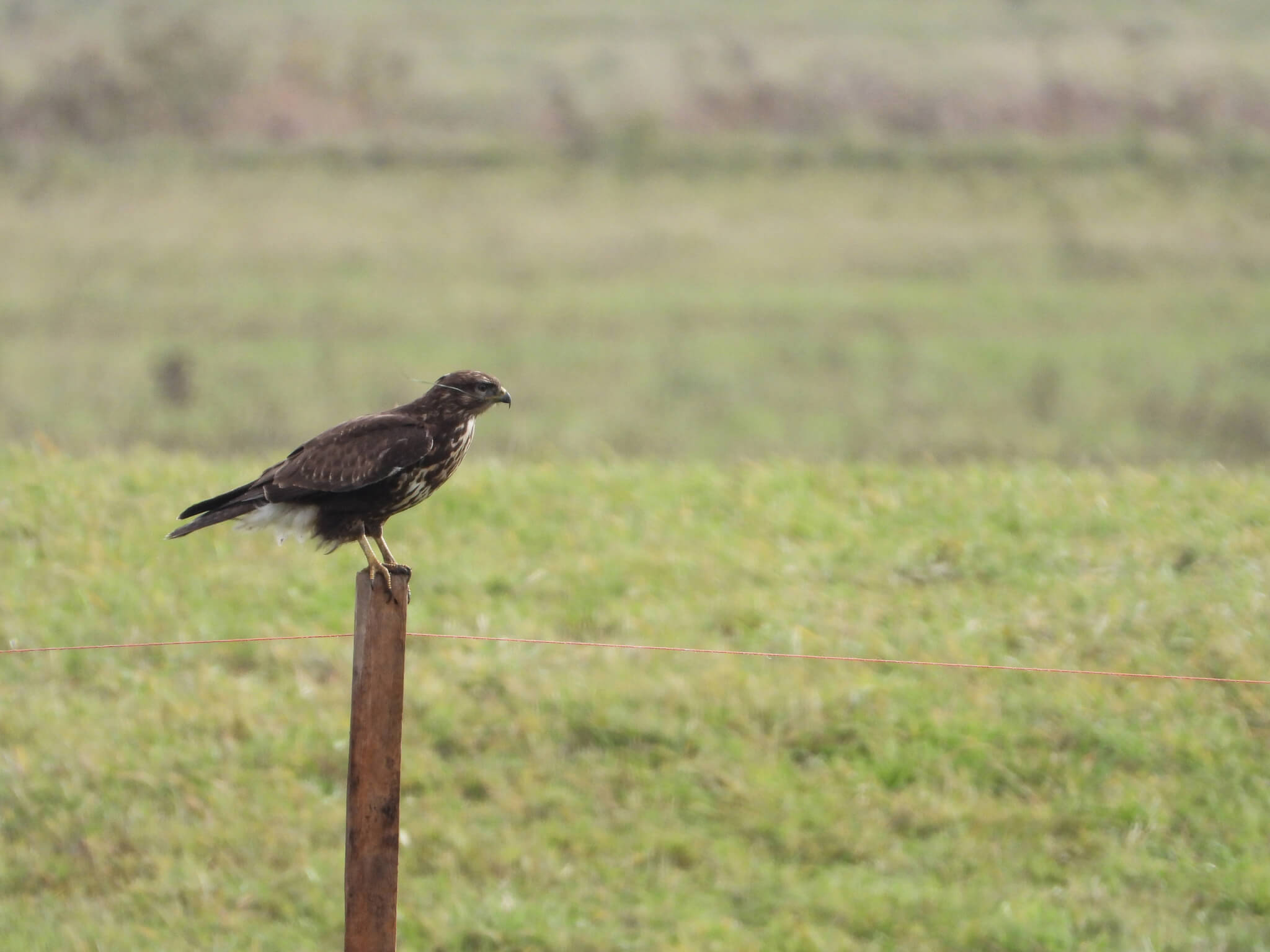
Birds of prey

Birds of prey have always been interesting and attractive, with their majestic stance, curved…

Stationary bird feeders

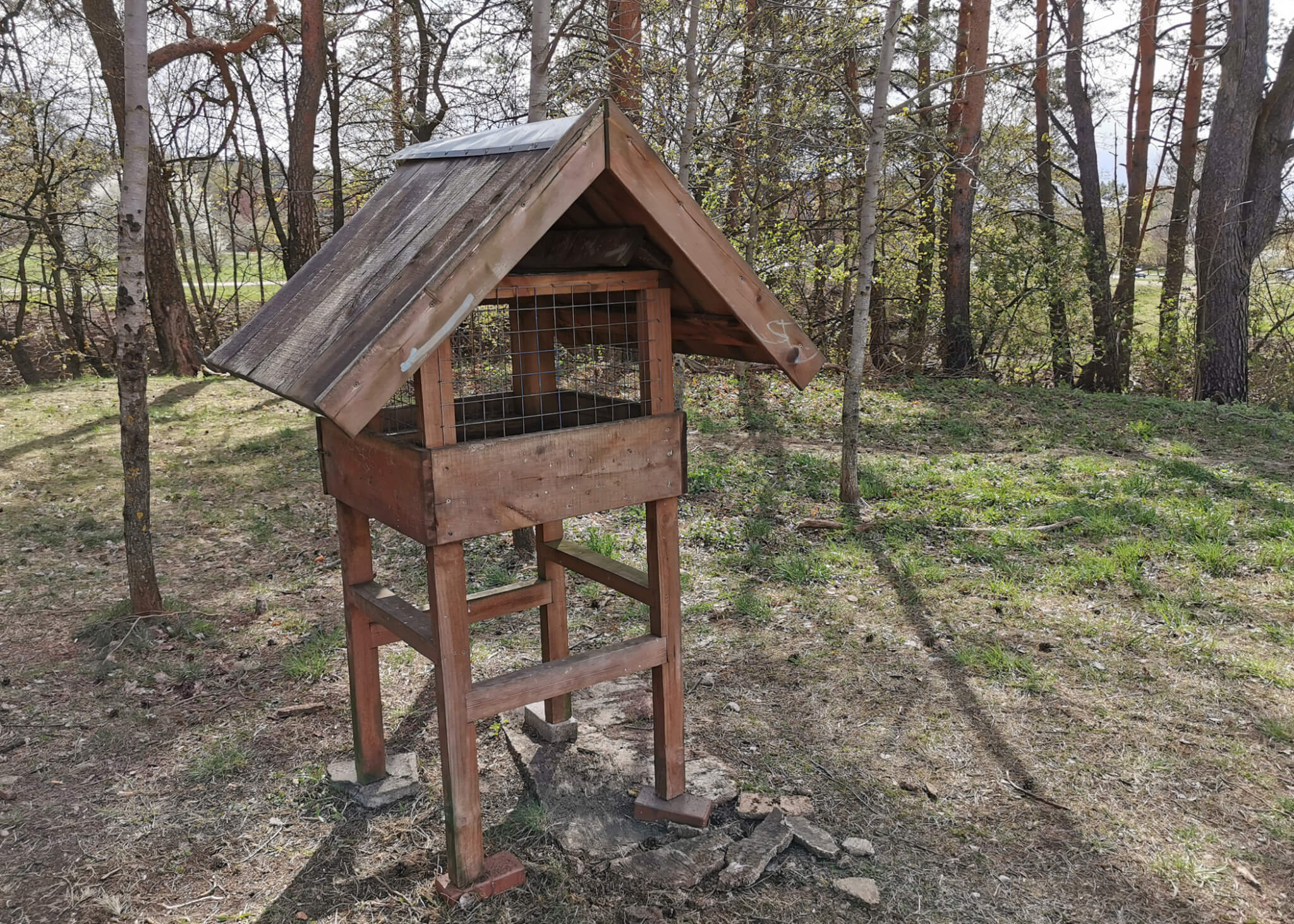
This feeder is used by Woodpeckers, Sparrows, Greenfinches, Blue Tits, Marsh Tits, and Great Tits.…

Nesting boxes for Starlings

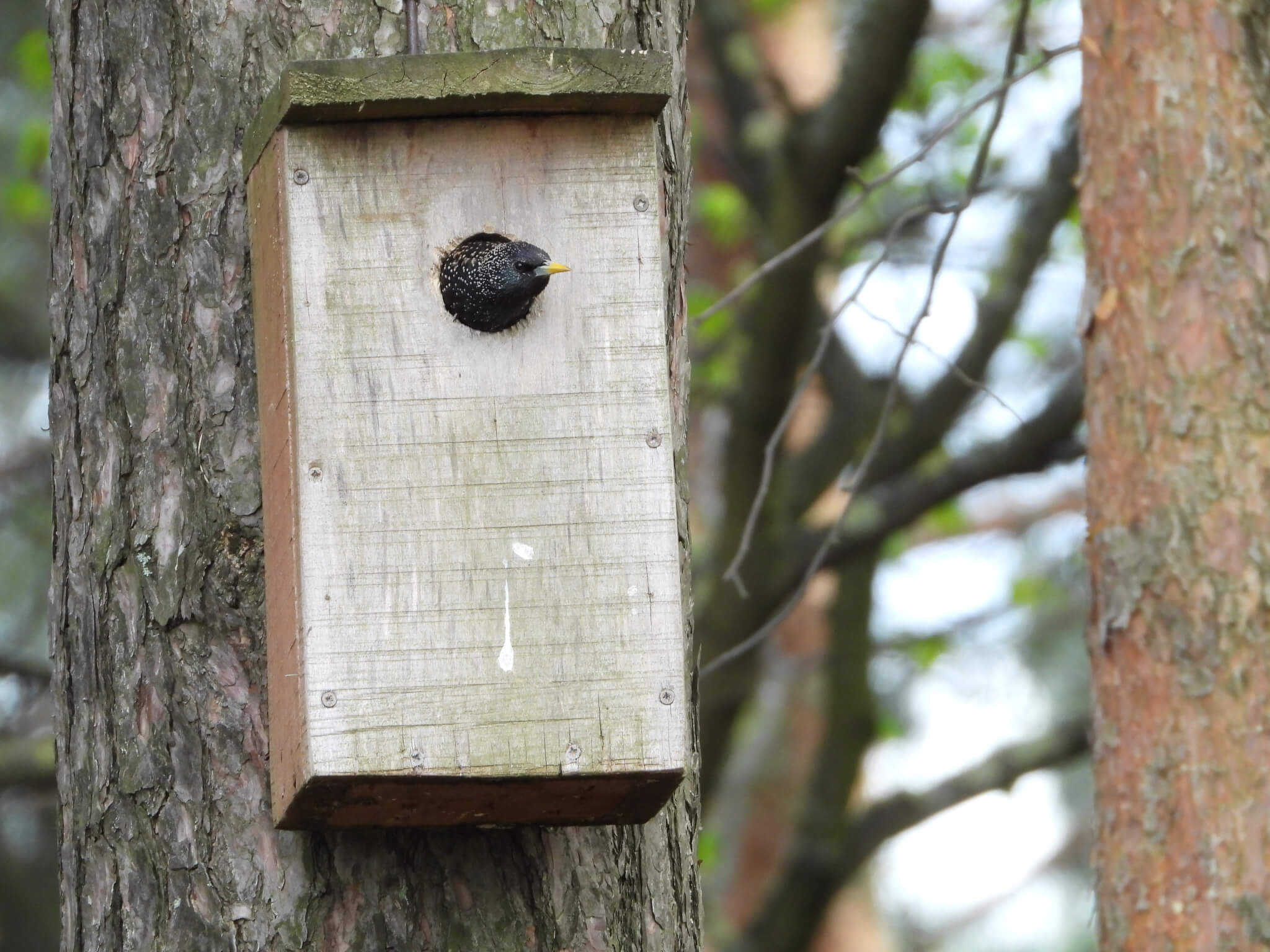
At the edge of the forest, near the apartment blocks, you’ll see a lot of starling nesting boxes.…

The Common Swift is a wonderful neighbour

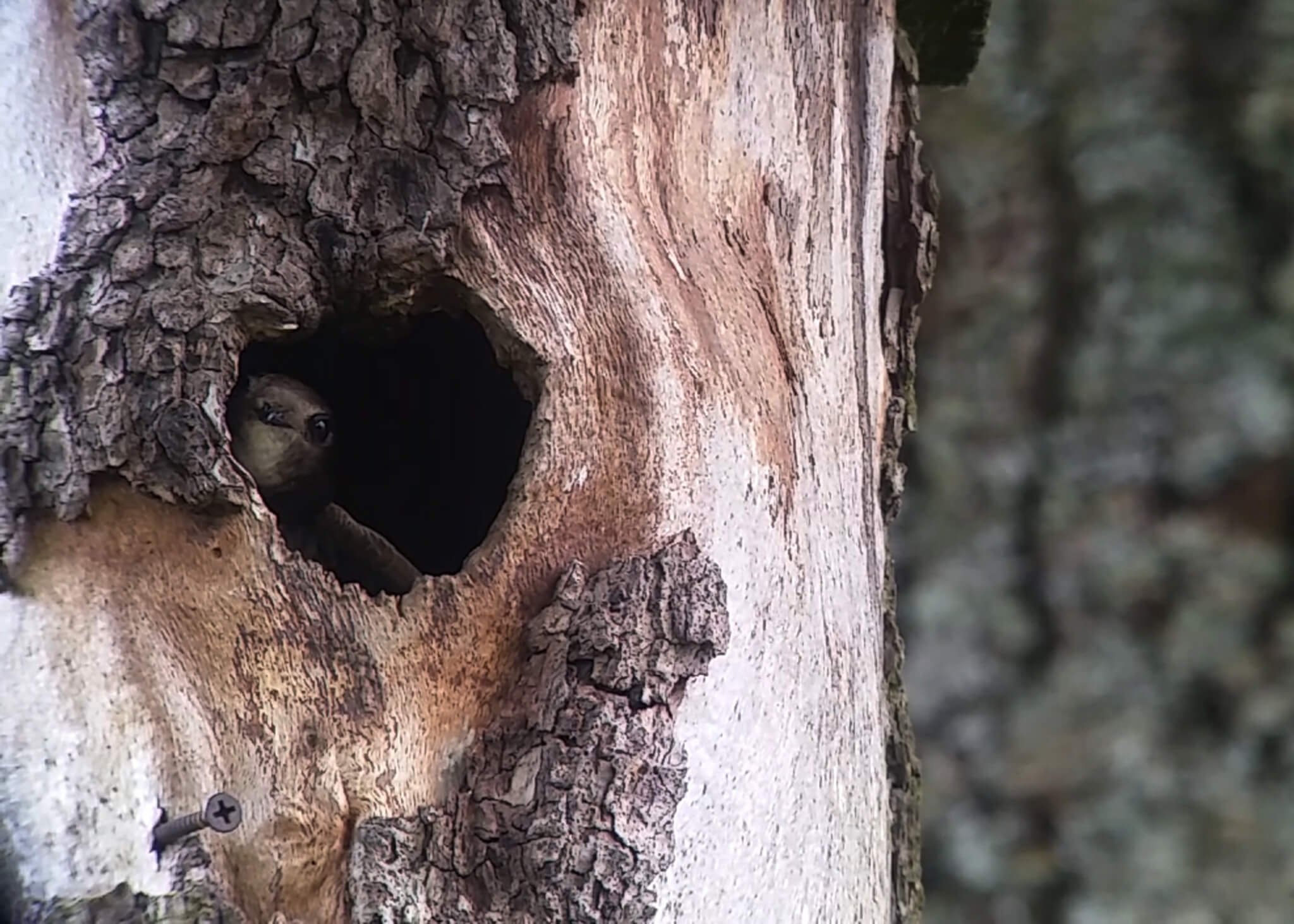
The Swift catches up to 20,000 small insects a day. The Swift is often confused with the House…

The Great Tit

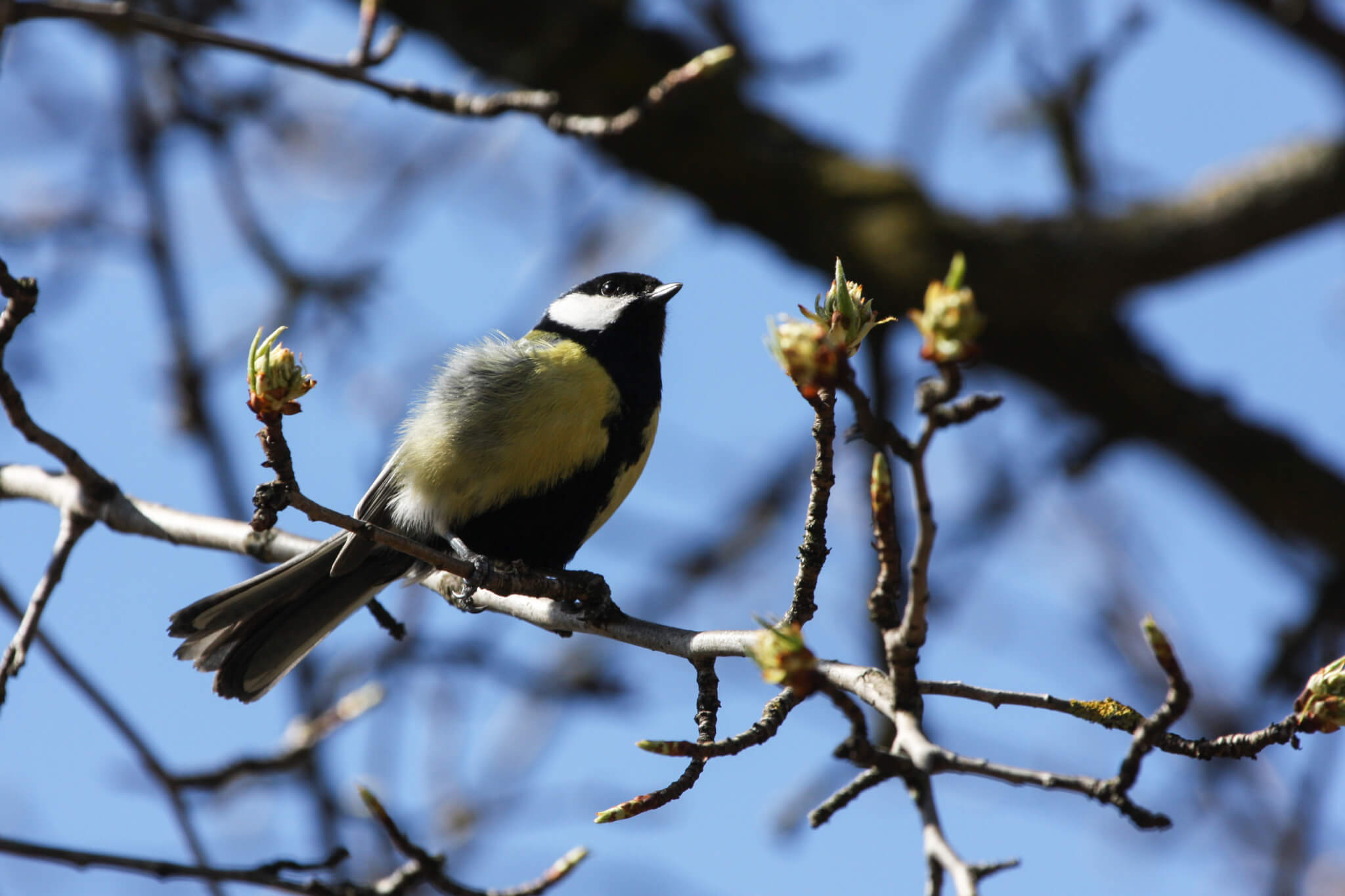
This is one of the best known, most commonly seen and most easily recognised birds with black on…

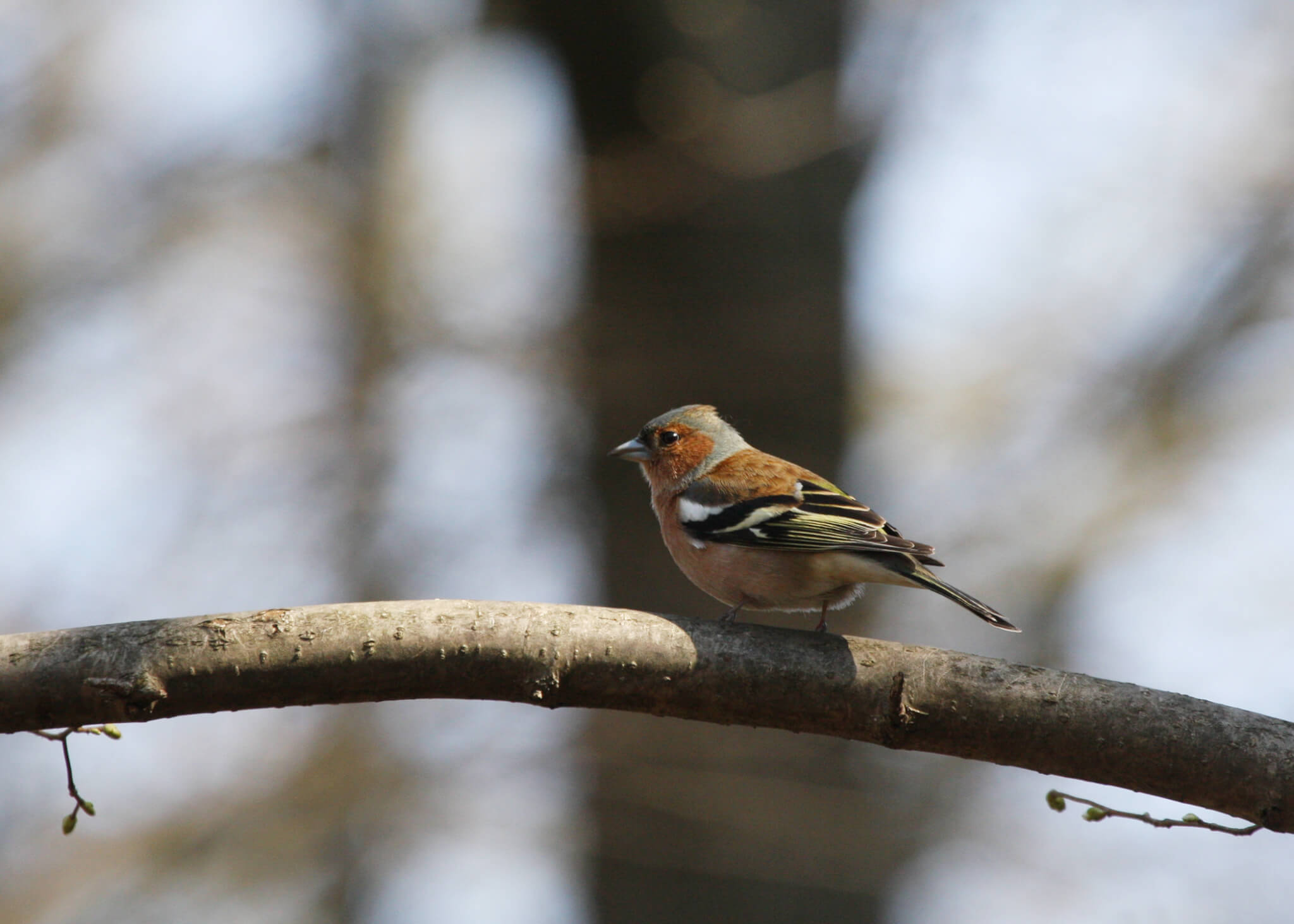
The Common Chaffinch

This bird is a similar size to the Sparrow. Although it is very common (the most abundant in…

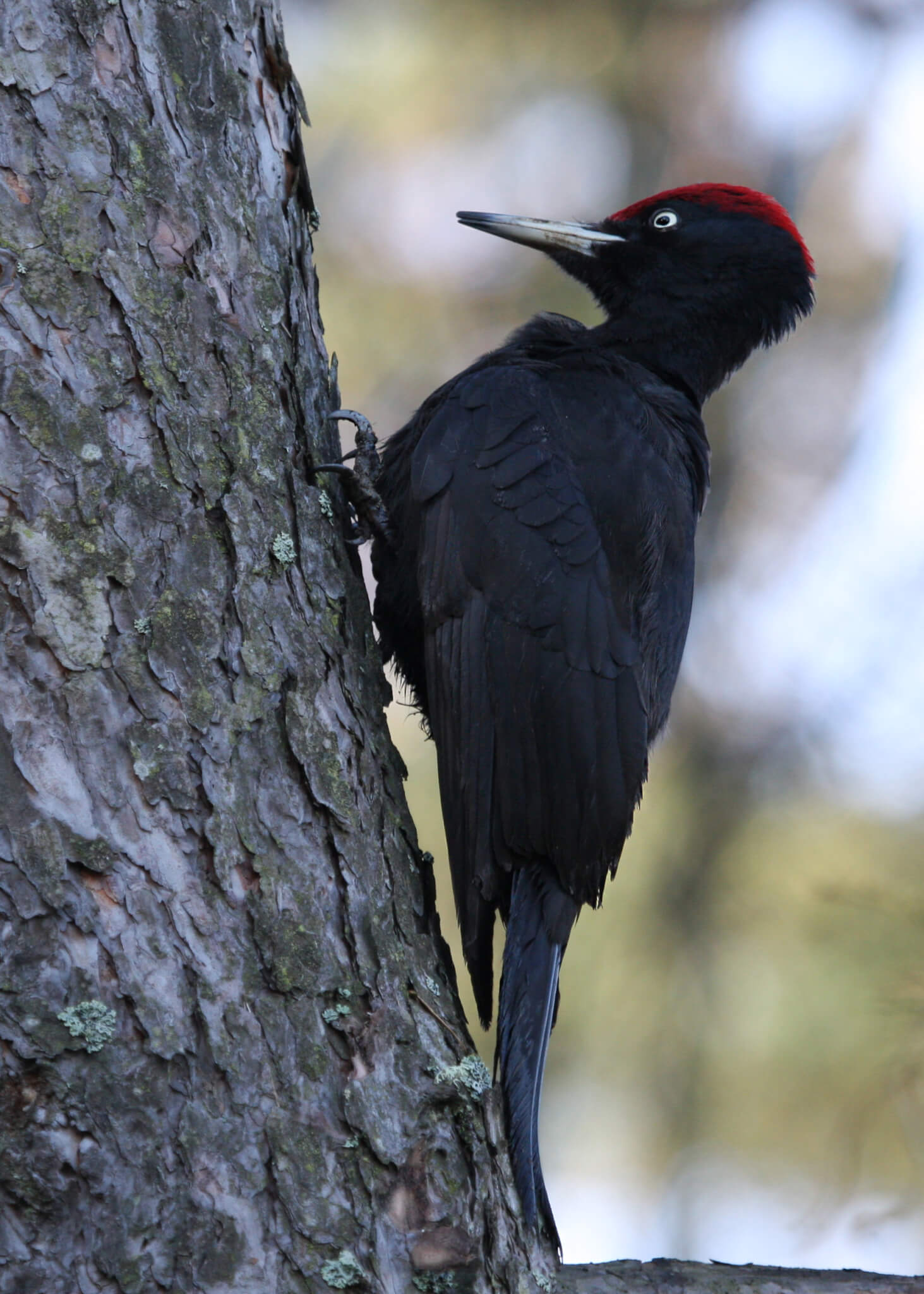
Location of the Black Woodpecker and the Great Spotted Woodpecker

If you see a bird flying in a wavy pattern, you’ve probably caught sight of a woodpecker. This bird…

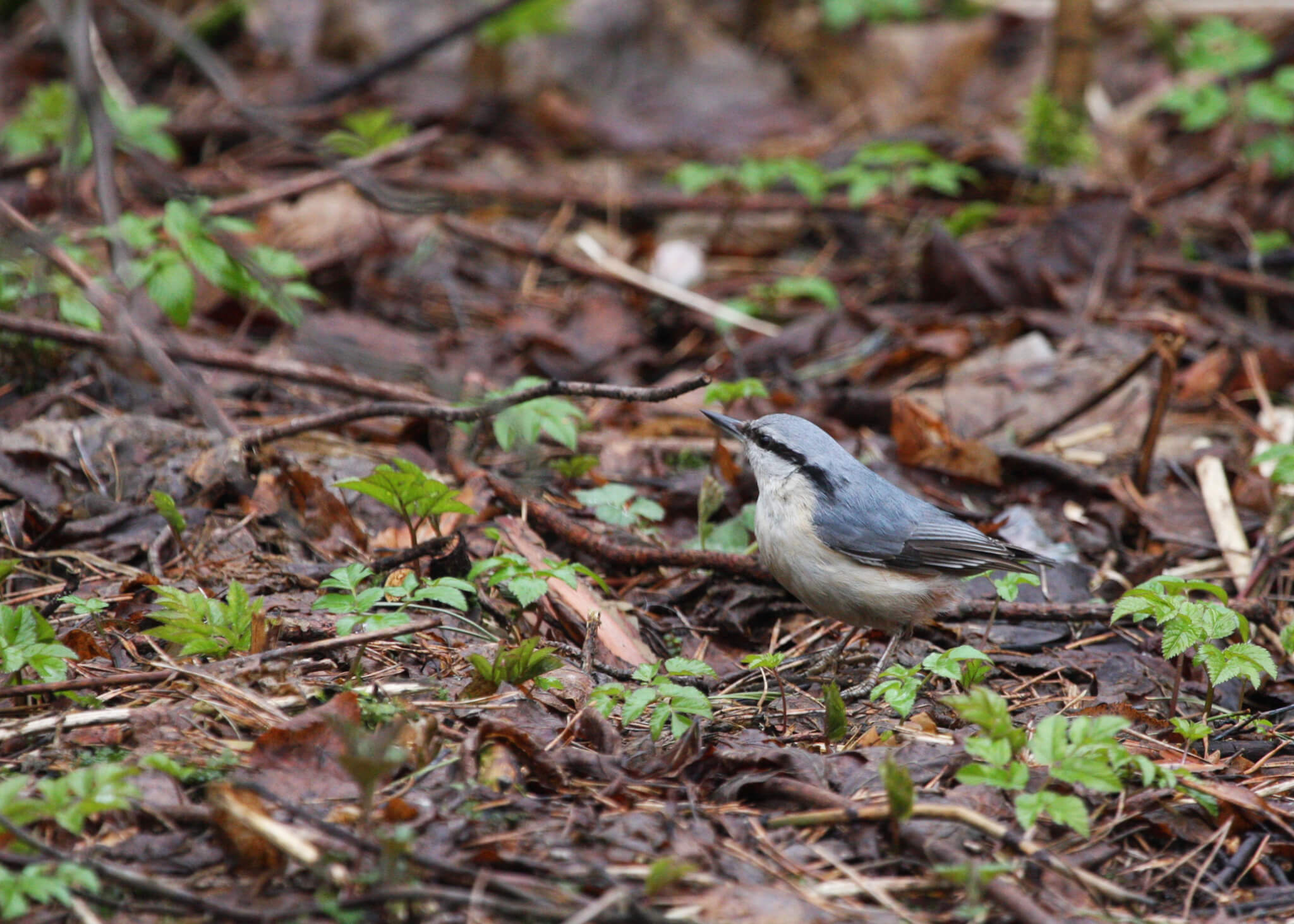
The Nuthatch

The bird is easy to remember and recognise, both in appearance and behaviour – it is a bold forest…

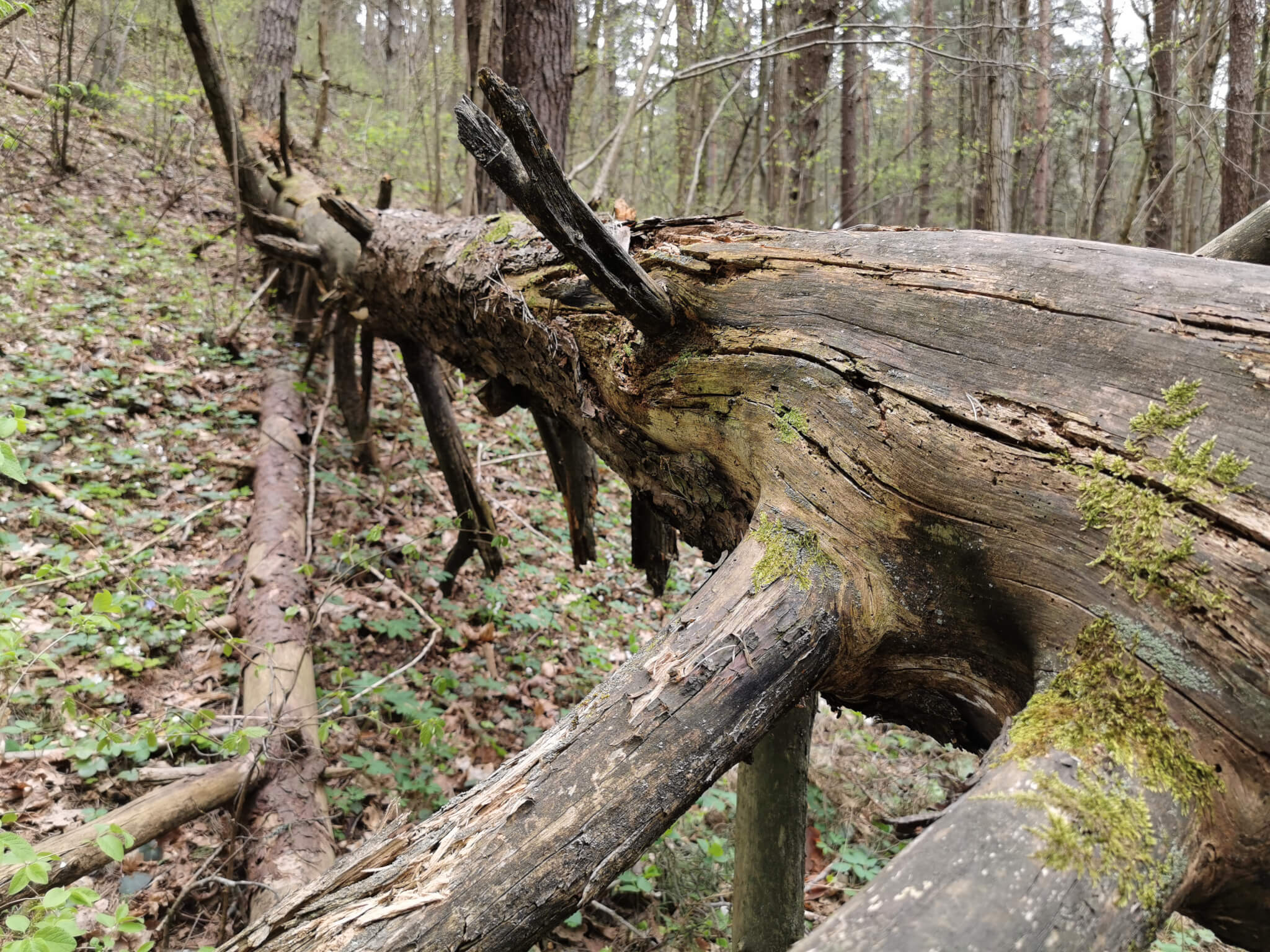
Windthrow and dead trunks

Dead trees, branches, uprooted windswept trees, branches, trunks, and debris are an important part…

The Neris Islands

These islands are home to the breeding grounds of the Little Ringed Plovers and the Common…

The Common Treecreeper

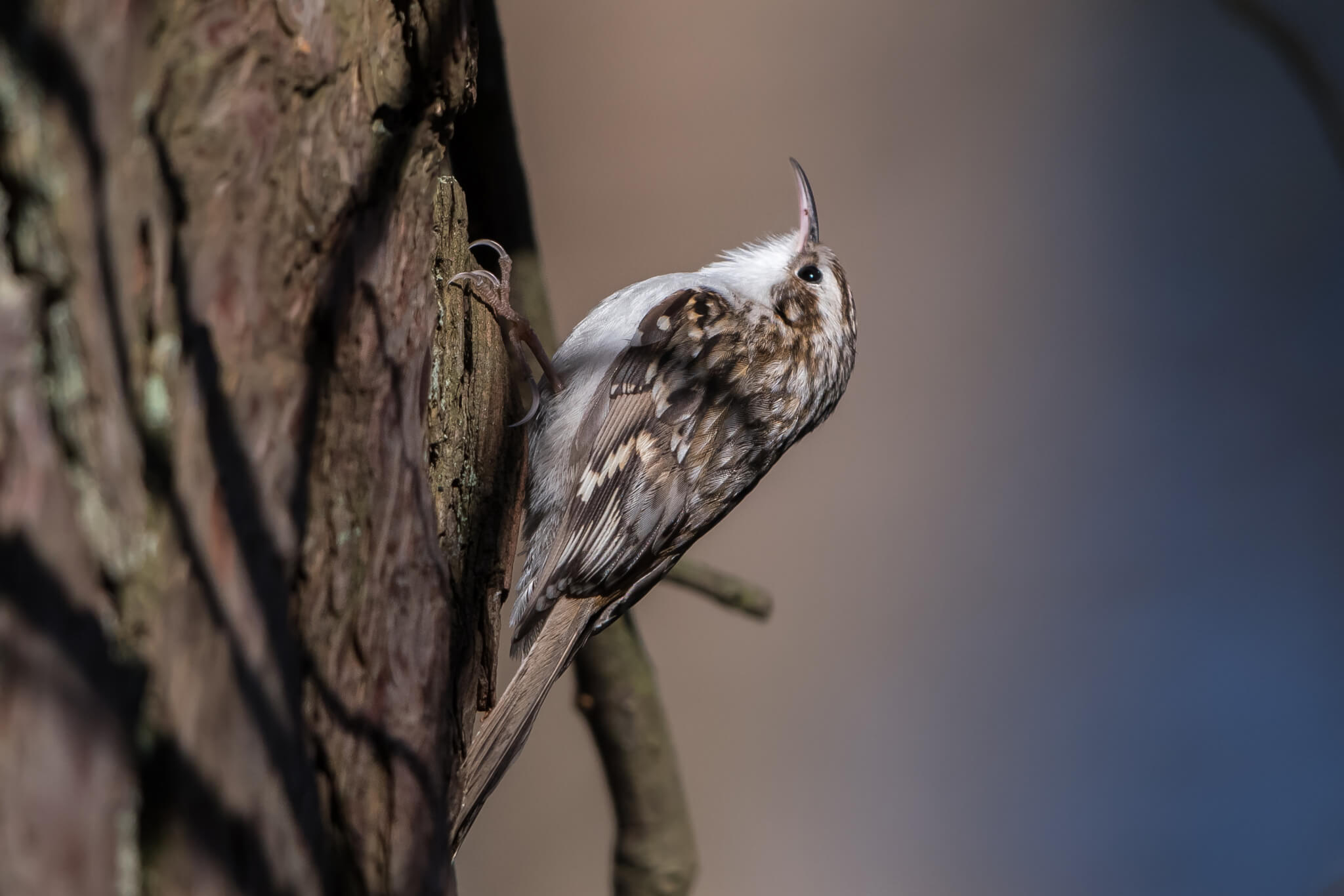
This mottled bird, whose feathers blend in with the tree trunk, can be spotted if you keep an eye…

The Birdwatchers’ Bench

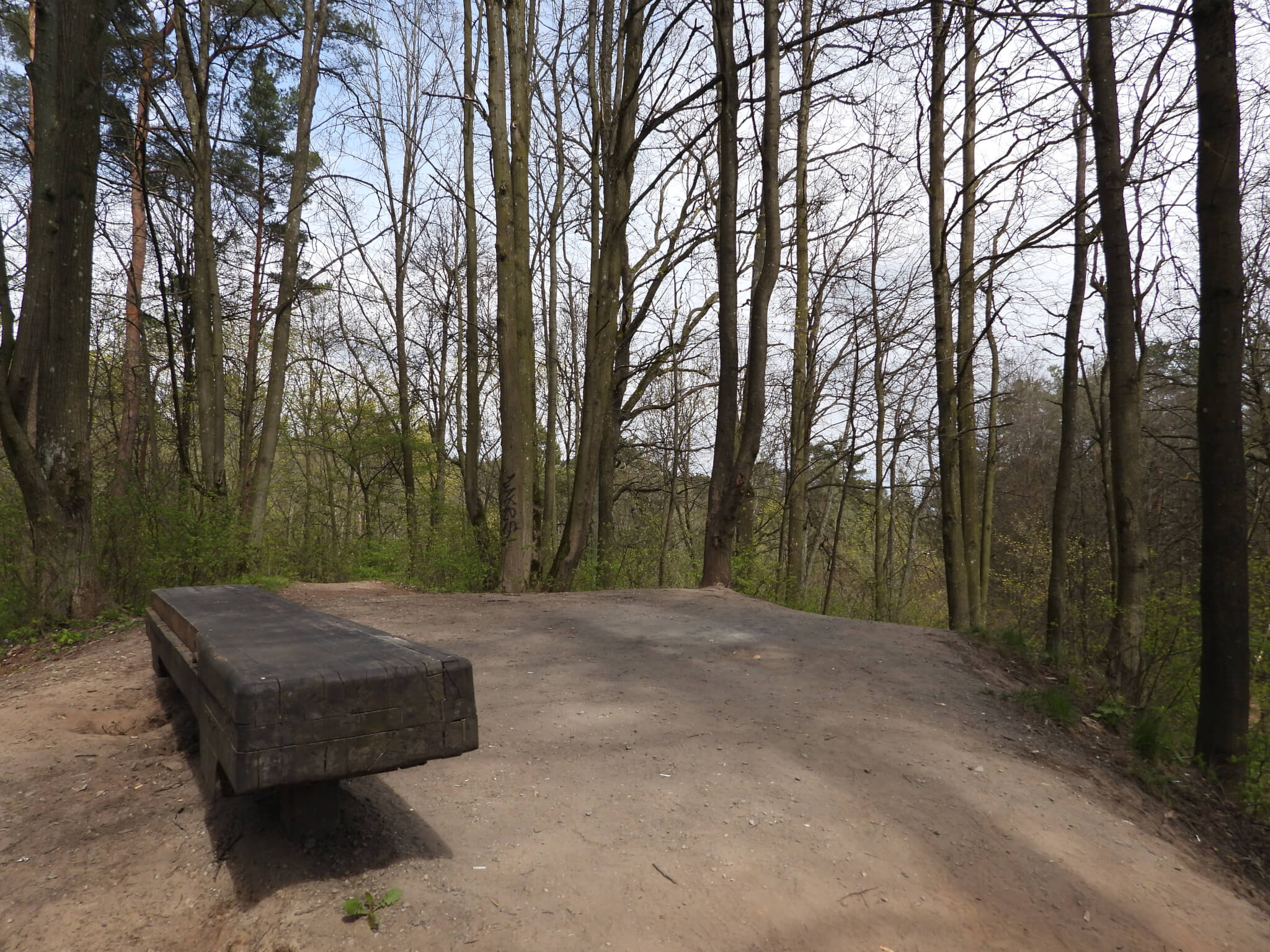
Sitting on this bench, listen to the melodious songs of the Robin Redbreast and the Blackbird, and…

Tree root trail

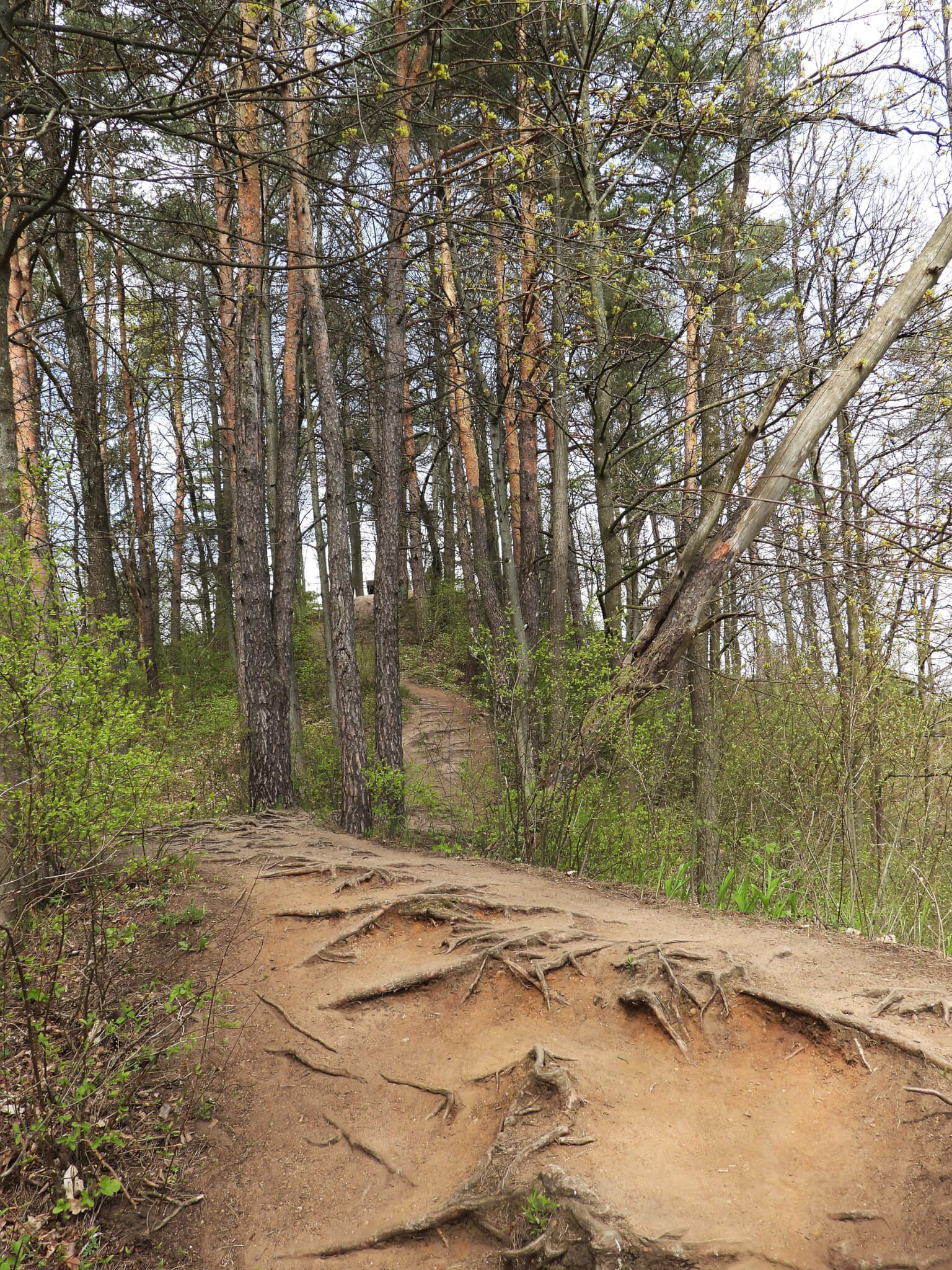
The tree root ‘ladder’ connects the Karoliniškių Viewpoint and a lonely bench on the hill. As you…

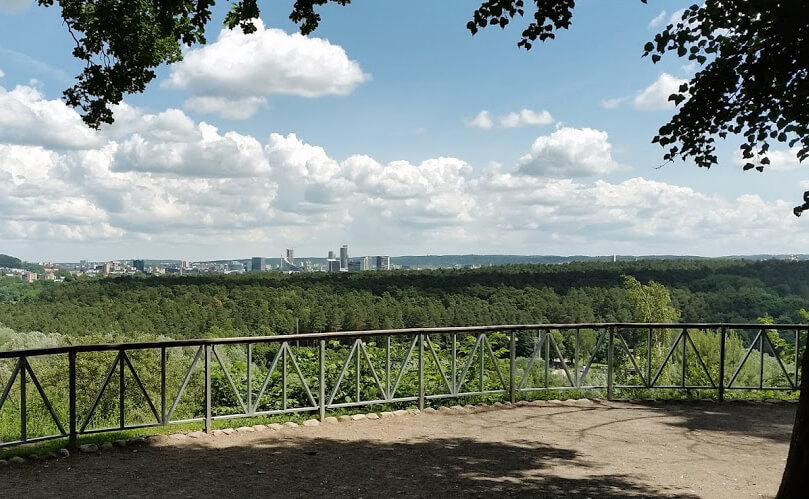
Karoliniškių Viewpoint

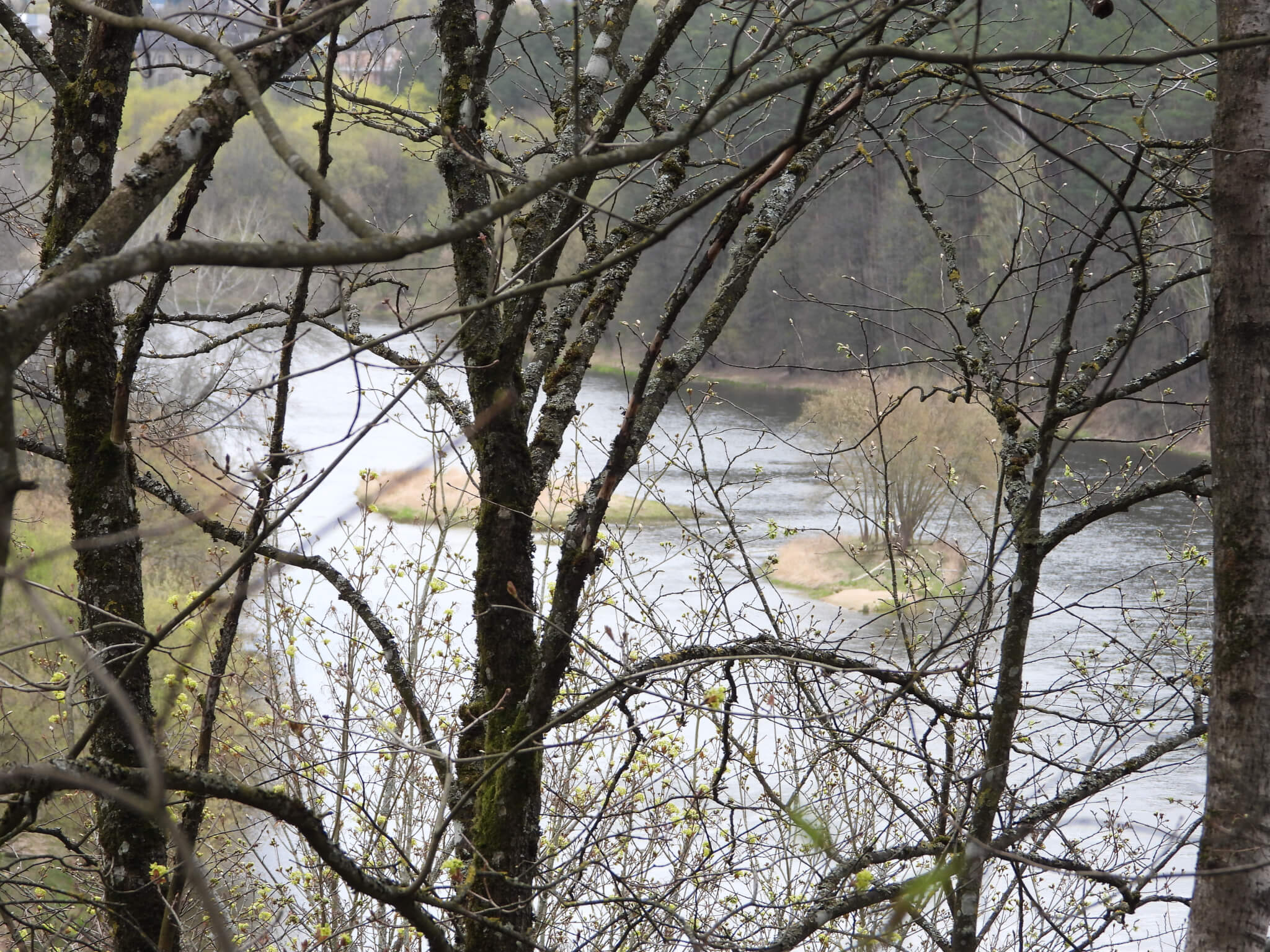
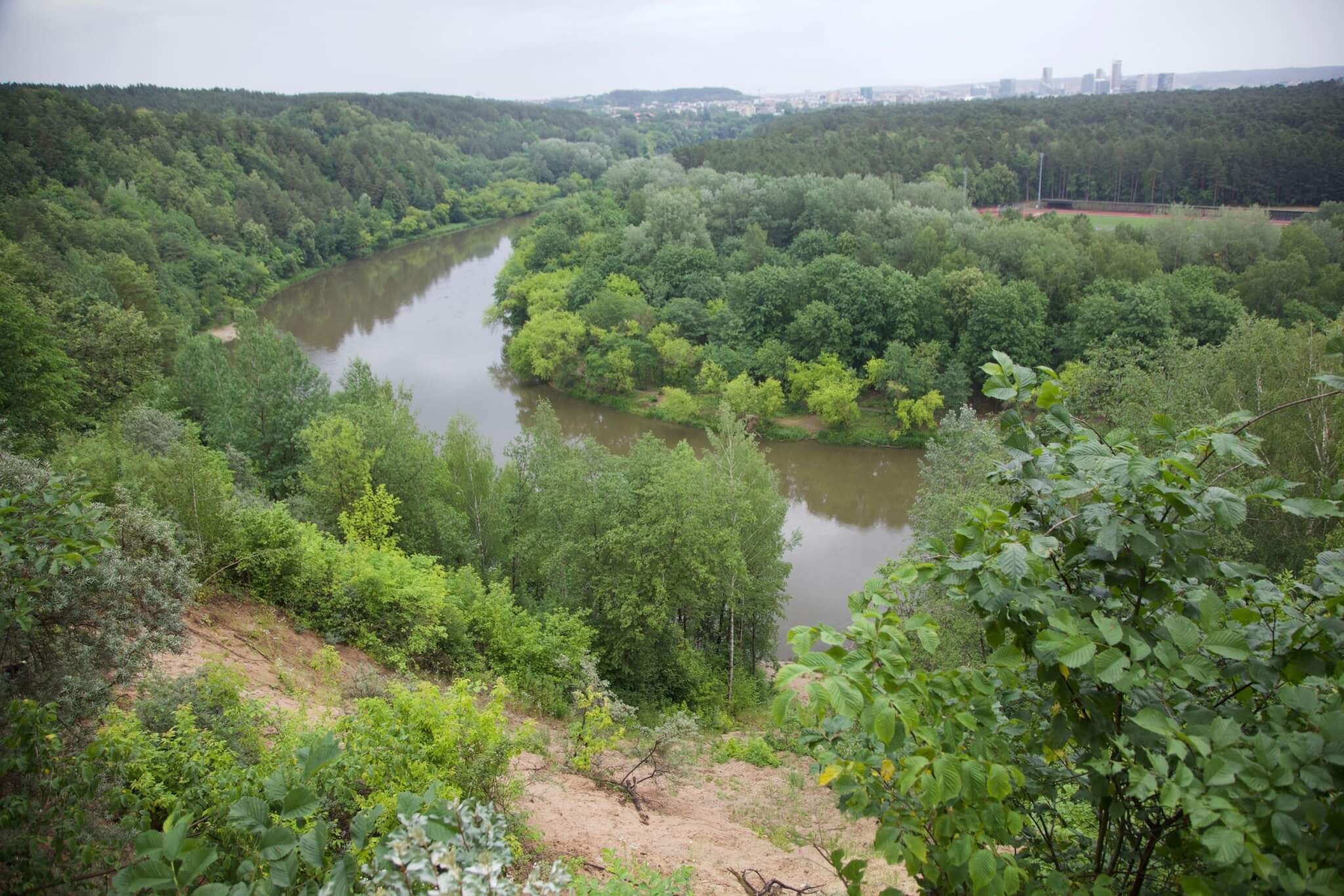
This observation deck offers a great panoramic view of the city and Vingis Park. The River Neris…

Karoliniškių Ravine

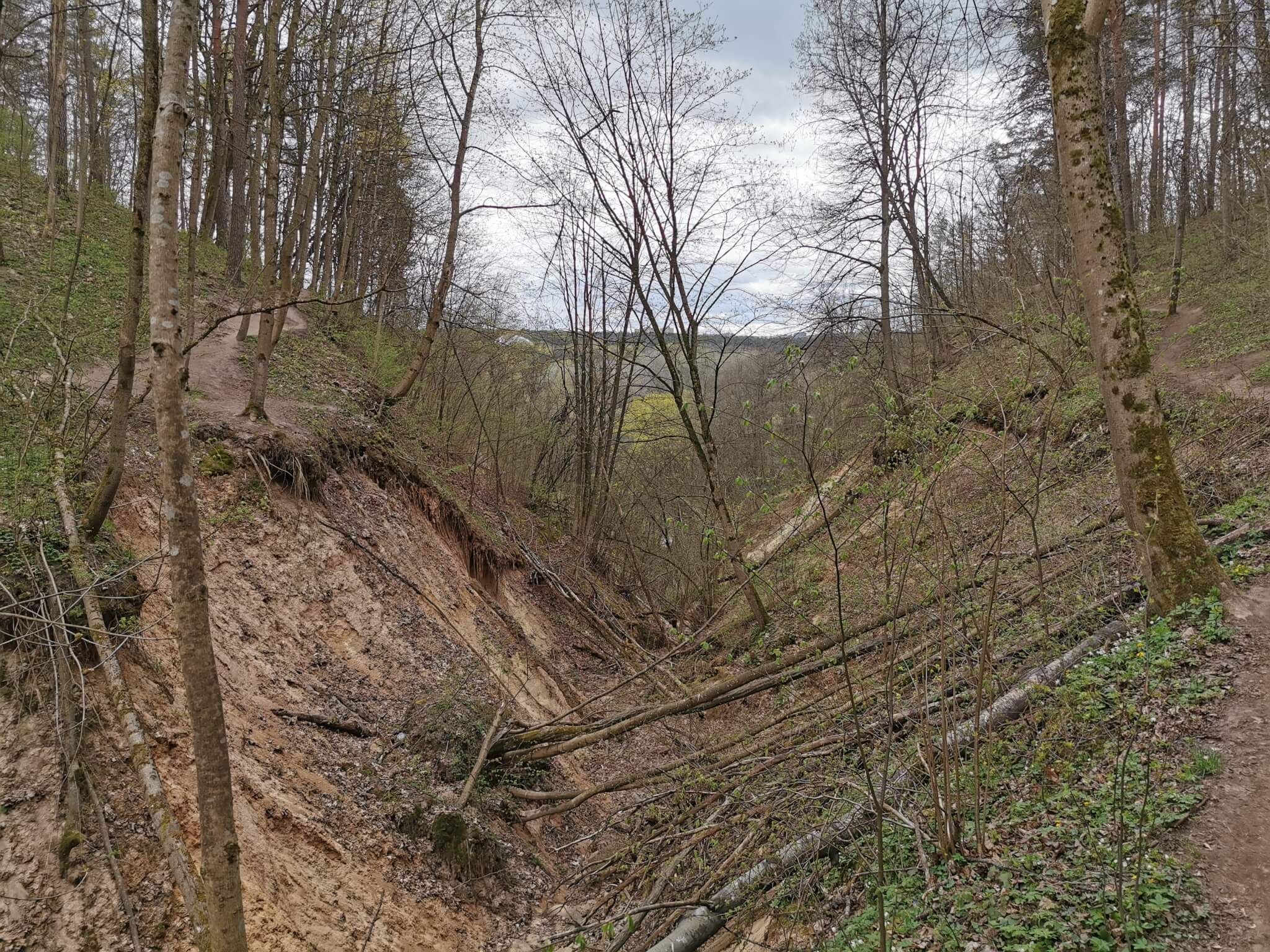
This extremely deep ravine – with its high and steep sandy slopes where fallen trees build nature’s…

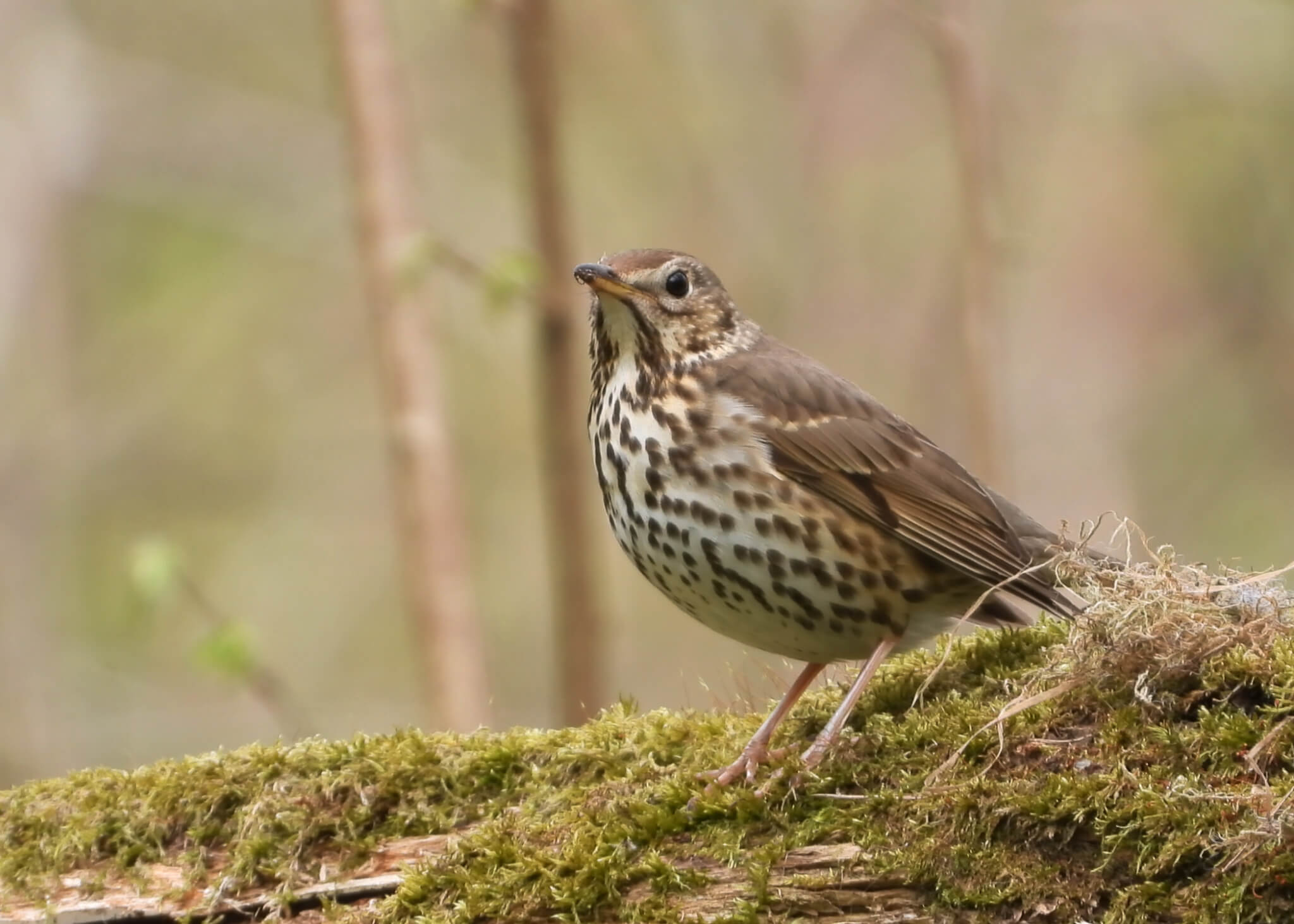
The Blackbird and Song Thrush

The songs of these birds will accompany you throughout the forest. Thrushes are bigger than…

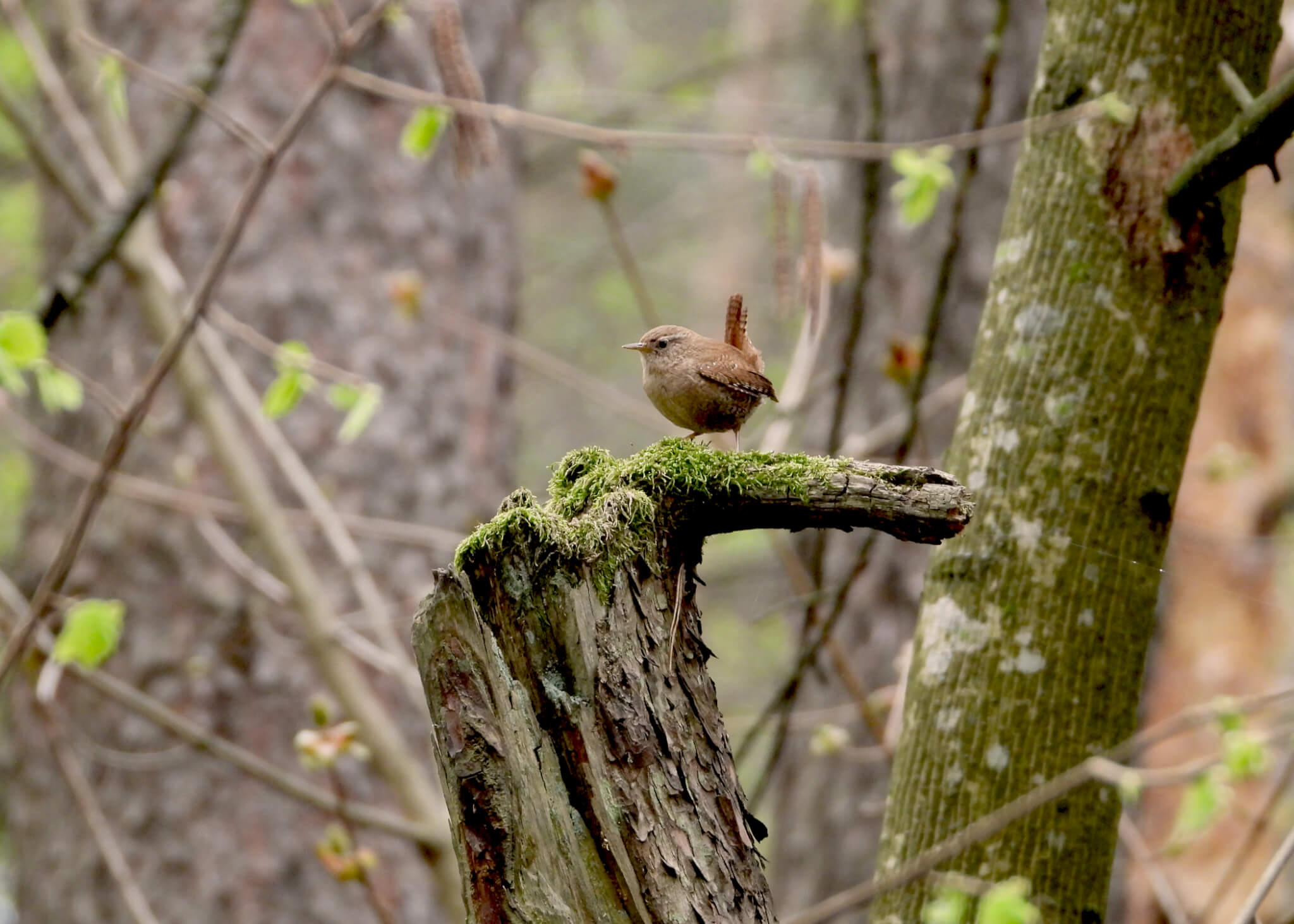
The Eurasian Wren

Although the bird is very small – as small as your thumb – and weighs only about 10 g, it is one of…

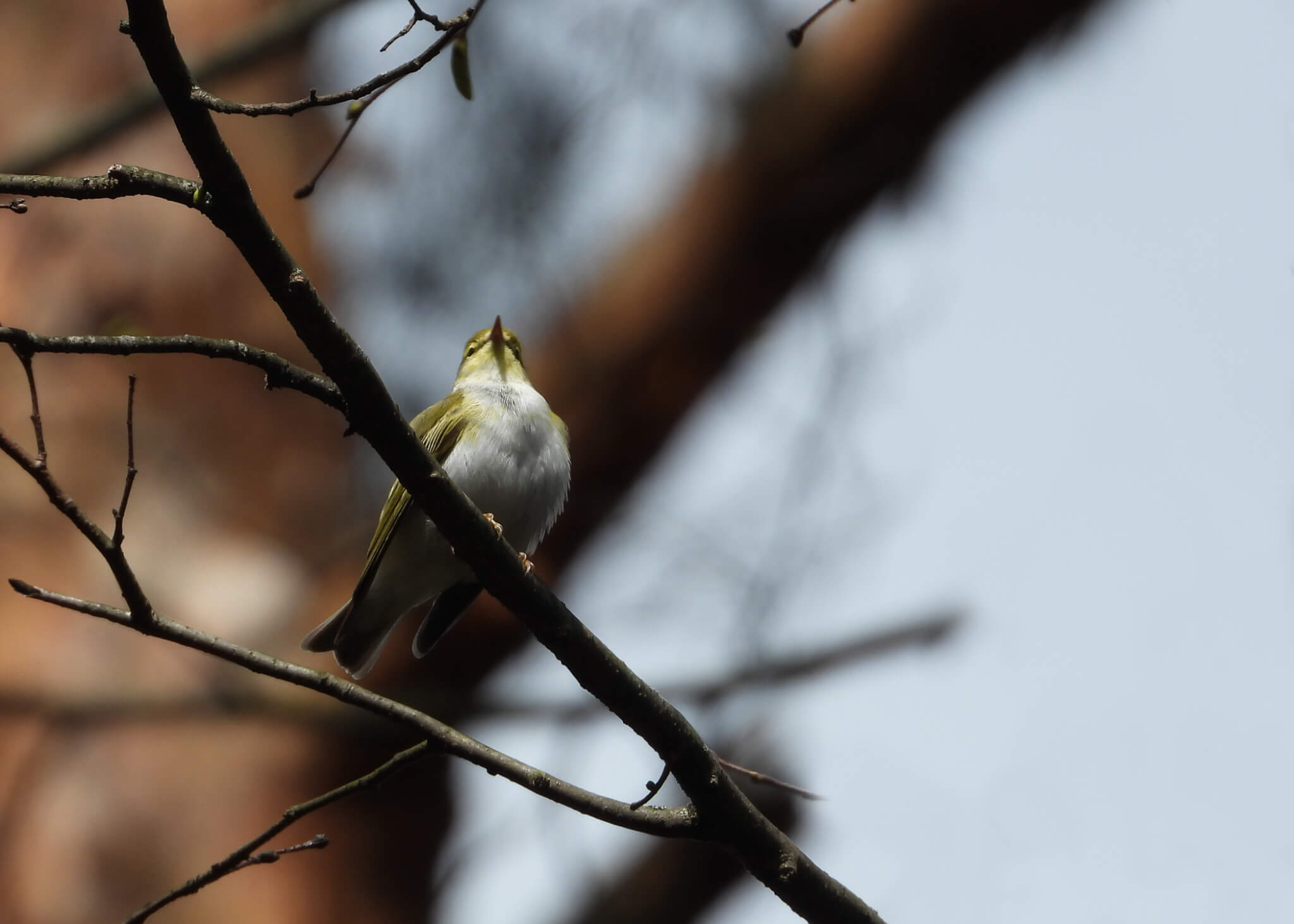
The Woodwarbler

These agile birds are smaller than the Sparrow or Chiffchaff. It is sometimes difficult to see them…

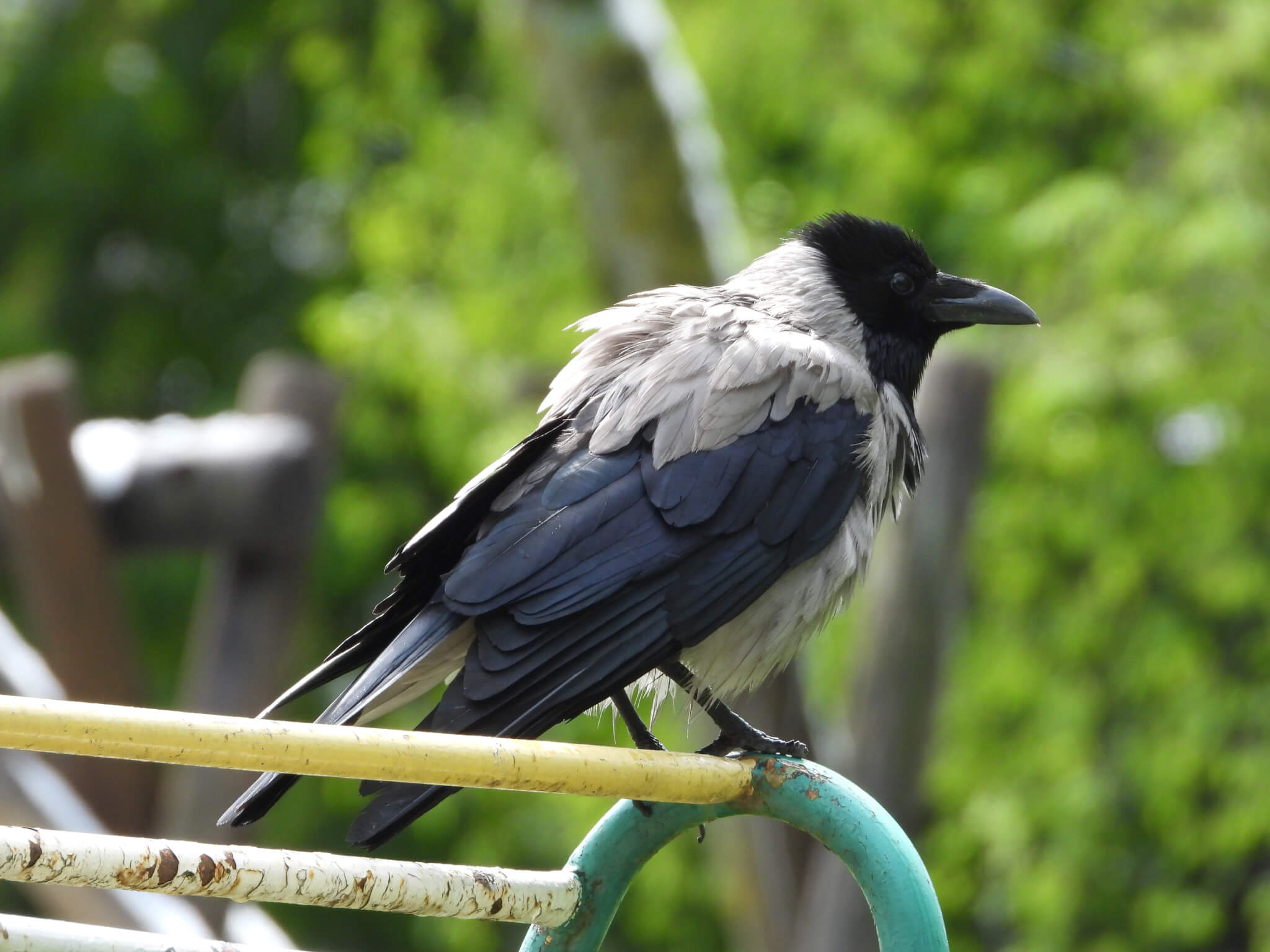
Intellectual Hooded Crow and Jackdaw

These birds are often seen in the city. The crow’s plumage is predominantly grey and black, while…

Plikakalnio Outcrop

The biggest attraction of the park is the Plikakalnio outcrop. It is the second highest exposed…

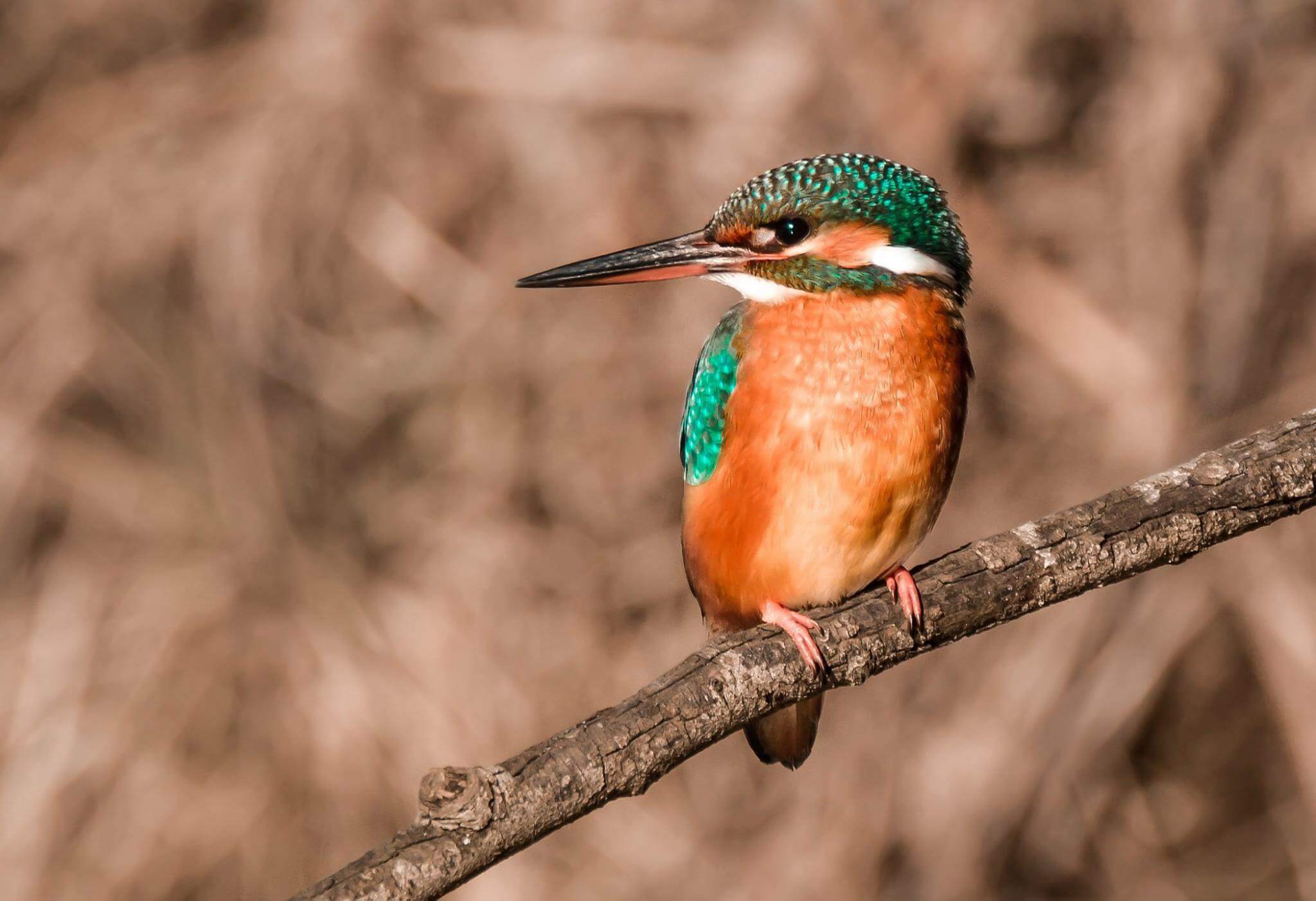
The Kingfishers of the Escarpment

One of the most beautiful birds in Lithuania, the kingfisher used to nest and breed in the outcrop.…

The Common Tern and Black-headed Gull

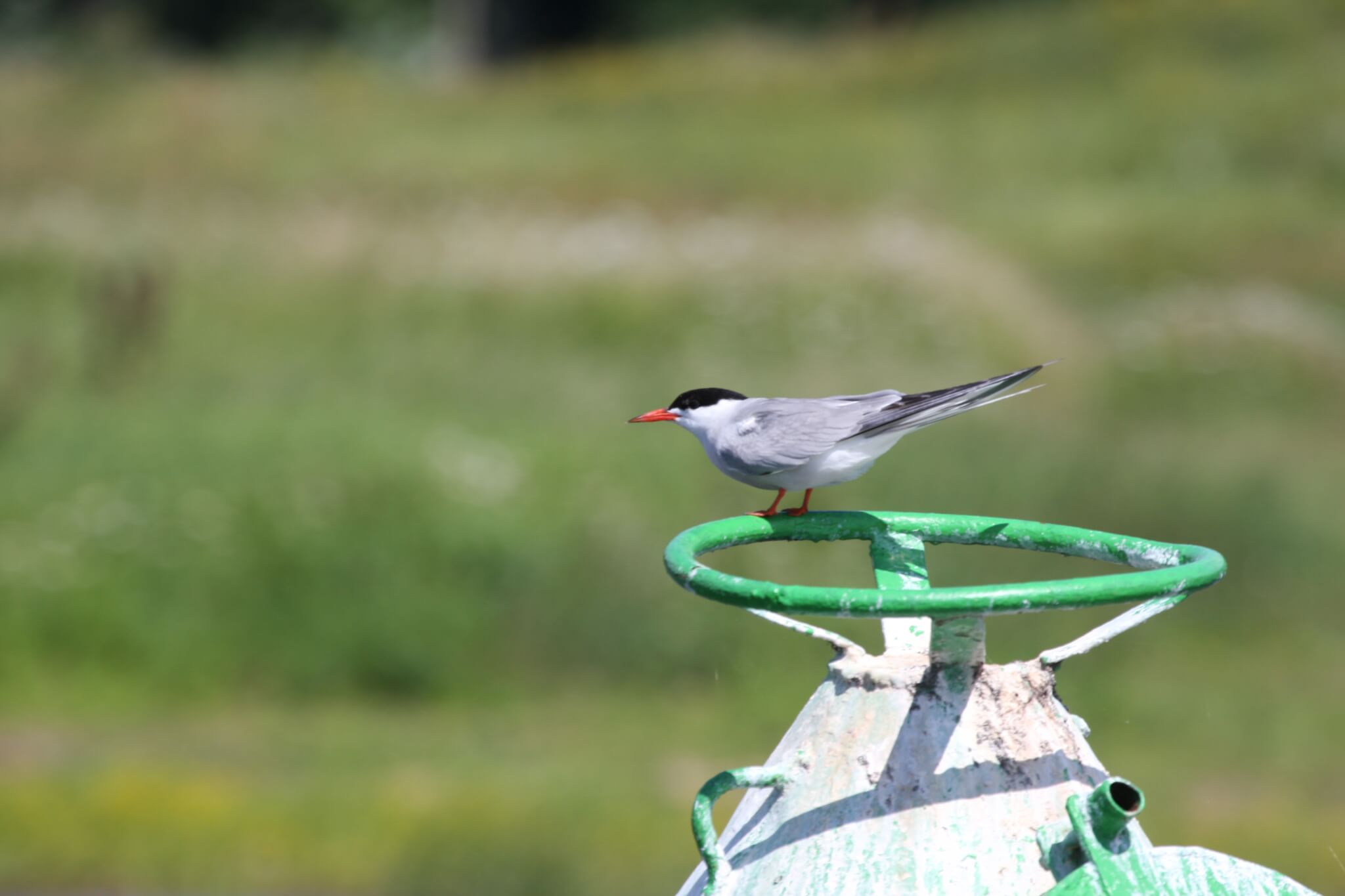
The Black-headed Gull and Common Tern can be seen catching fish below the outcrop. People confuse…

Additional material