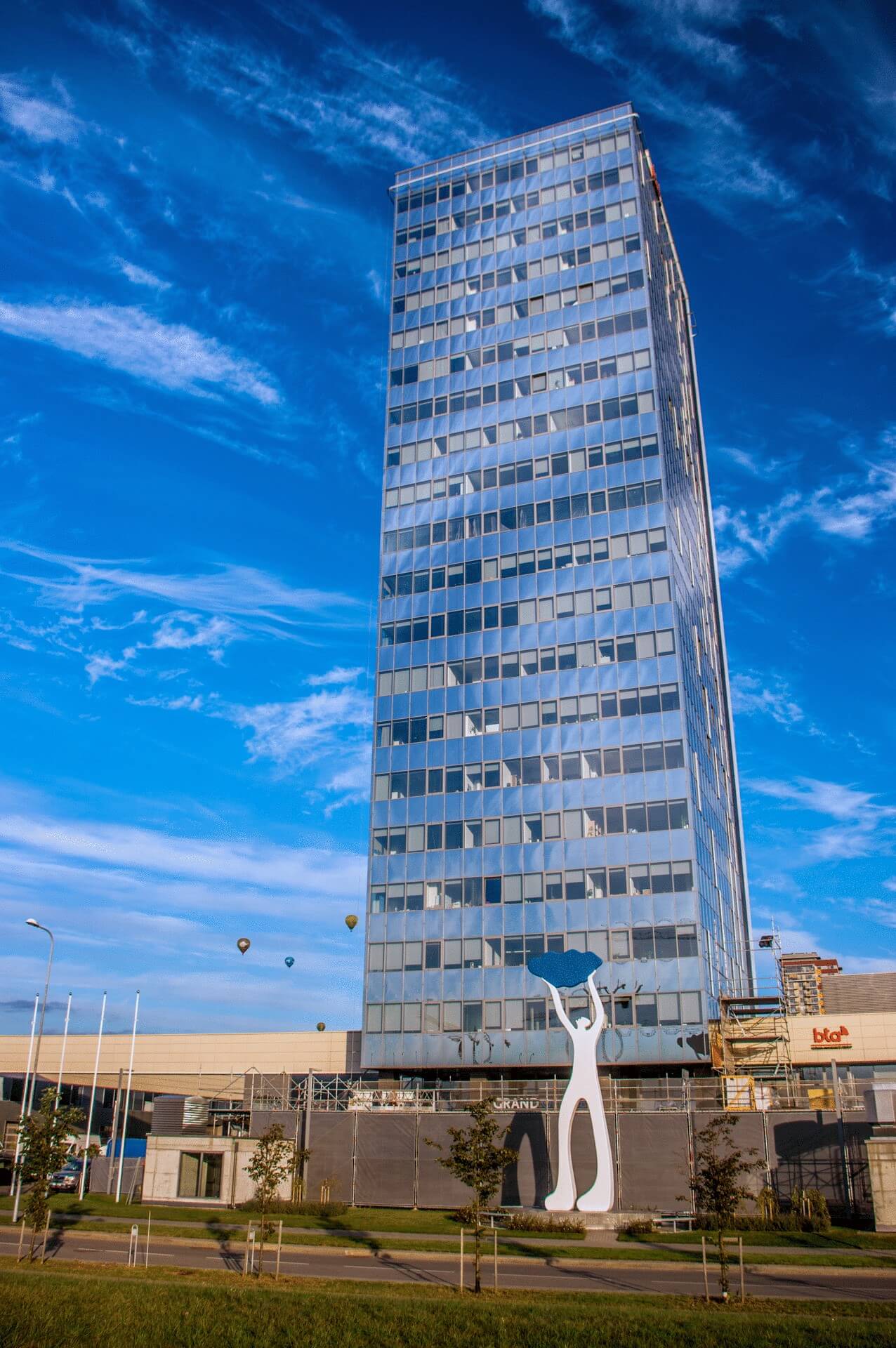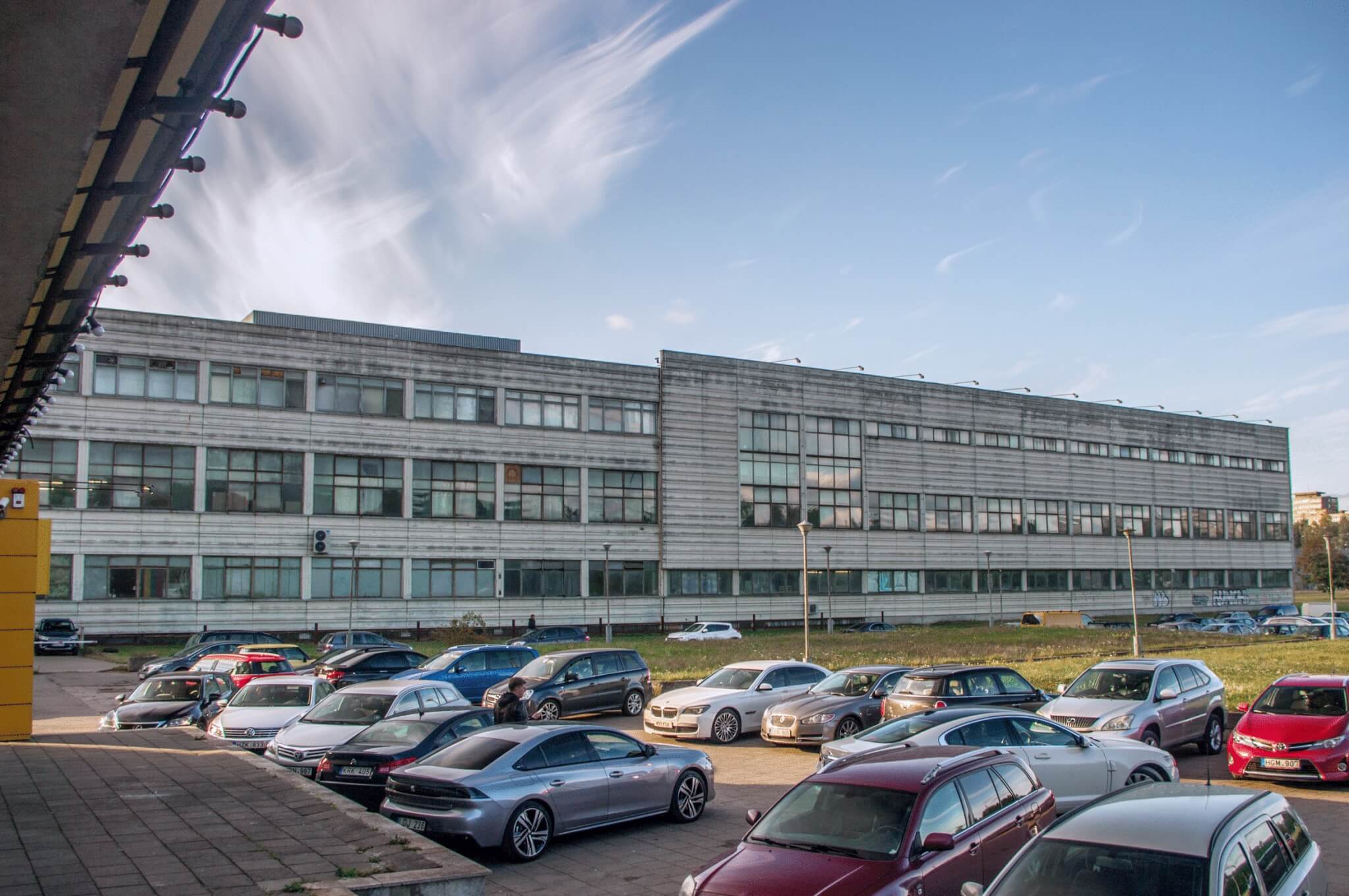


Viršuliškės is a great part of the city for exploring the capital, although not everything that had been designed by Birutė Kasperavičienė and Juozas Zinkevičius in 1973 was implemented later.
Justiniškių and Tujų Streets were left unconnected, and Ozo Street, which was supposed to cross two cemeteries and connect with the current Šešuolių Street, ended up being cut off.
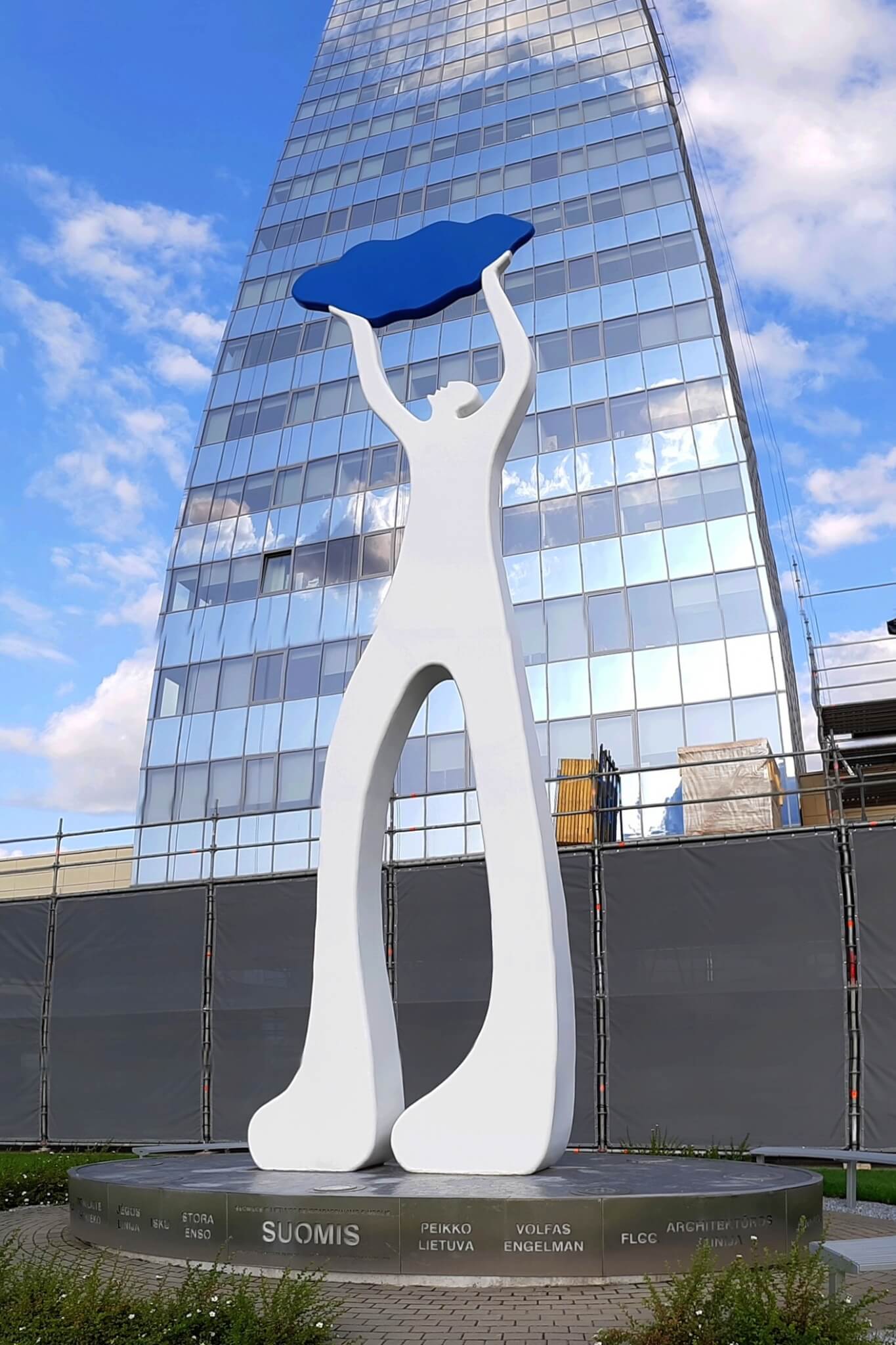
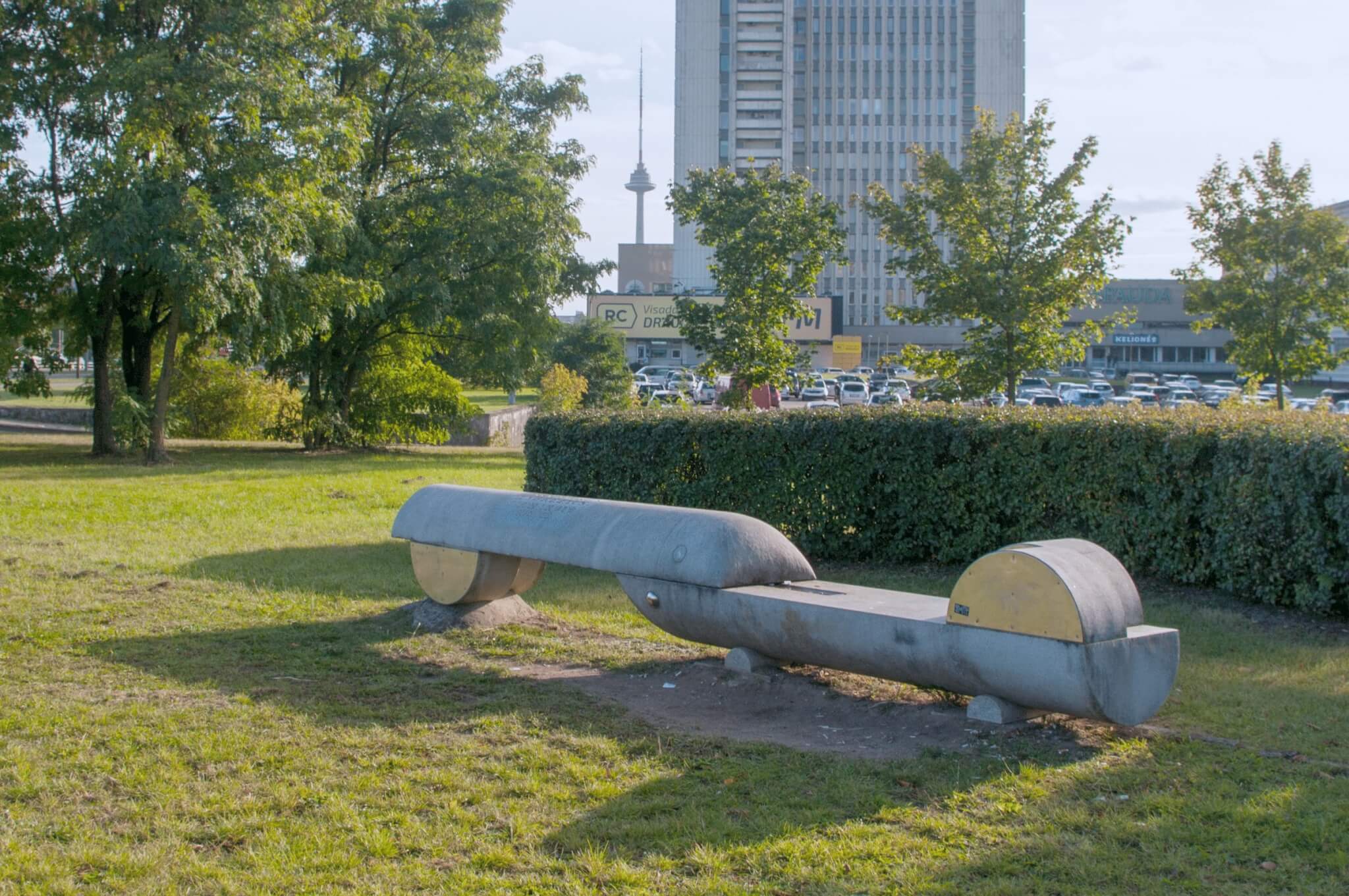
There are three cemeteries in Viršuliškės. While exploring this residential area, you will find many sculptures, see what the first church built after fifty years of Soviet occupation looks like, and learn what features are typical of Viršuliškės.
What will you see/learn along the route?
- Where was the village of Viršuliškės and its cemetery located?
- How much did it cost to build the Press Palace?
- What makes Tujų Street special?
- Which was the first church built after regaining independence and what is missing?
- Where was the third radio station opened in Vilnius?
- What are the distinctive features of Viršuliškės?