Žirmūnai - Neakivaizdinis Vilnius
Eiti prie pagrindinio turinio
Neakivaizdinis Vilnius Neakivaizdinis Vilnius
Vilnius Districts studies

Žirmūnai

Some of the oldest large-scale residential blocks and architectural giants on the right bank of the Neris

The 1960s marked the period when there was solid growth in Vilnius not just on the left bank of the River Neris but also on the right bank. Žirmūnai became the first large-scale housing estate on this side of the river.

When designing the future district, the architects’ drawings divided it into three micro-districts under the code names D-10, D-18 and D-25; however, the residents did not find the faceless combinations of letters and numbers attractive, so a few years later, the whole territory was given the name Žirmūnai. In 1968, part of the design team, led by architect Birutė Kasperavičienė, was even awarded the USSR State Prize for its innovative solutions in the D-18 district – so Žirmūnai had its “fifteen minutes of fame” once too. Despite the predominance of blocks of flats, the district also hides gems from more diverse historical backgrounds. A tip – the best way to get around Žirmūnai is to listen to the song ‘Palydėki į Žirmūnus’ by Mikas Vaitkevičius and Ona Valiukevičiūtė (It can easily be found on the internet). True, back then the authors of the song complained that Žirmūnai was so far away… But what does it look like now, when the city has grown considerably in half a century?

What will you learn/see on the route:

  • Which scenes from ‘Chernobyl’ were filmed in the Palace of Culture and Sports of the Ministry of Interior?
  • Why was it decided to bury the victims of the NKGB-MGB internal prison executions in Tuskulėnai?
  • What is the reason for the existence of a strange inlet by the cycle path along the Neris Street?
  • What is sometimes called the ‘dancing deer’?
Start location

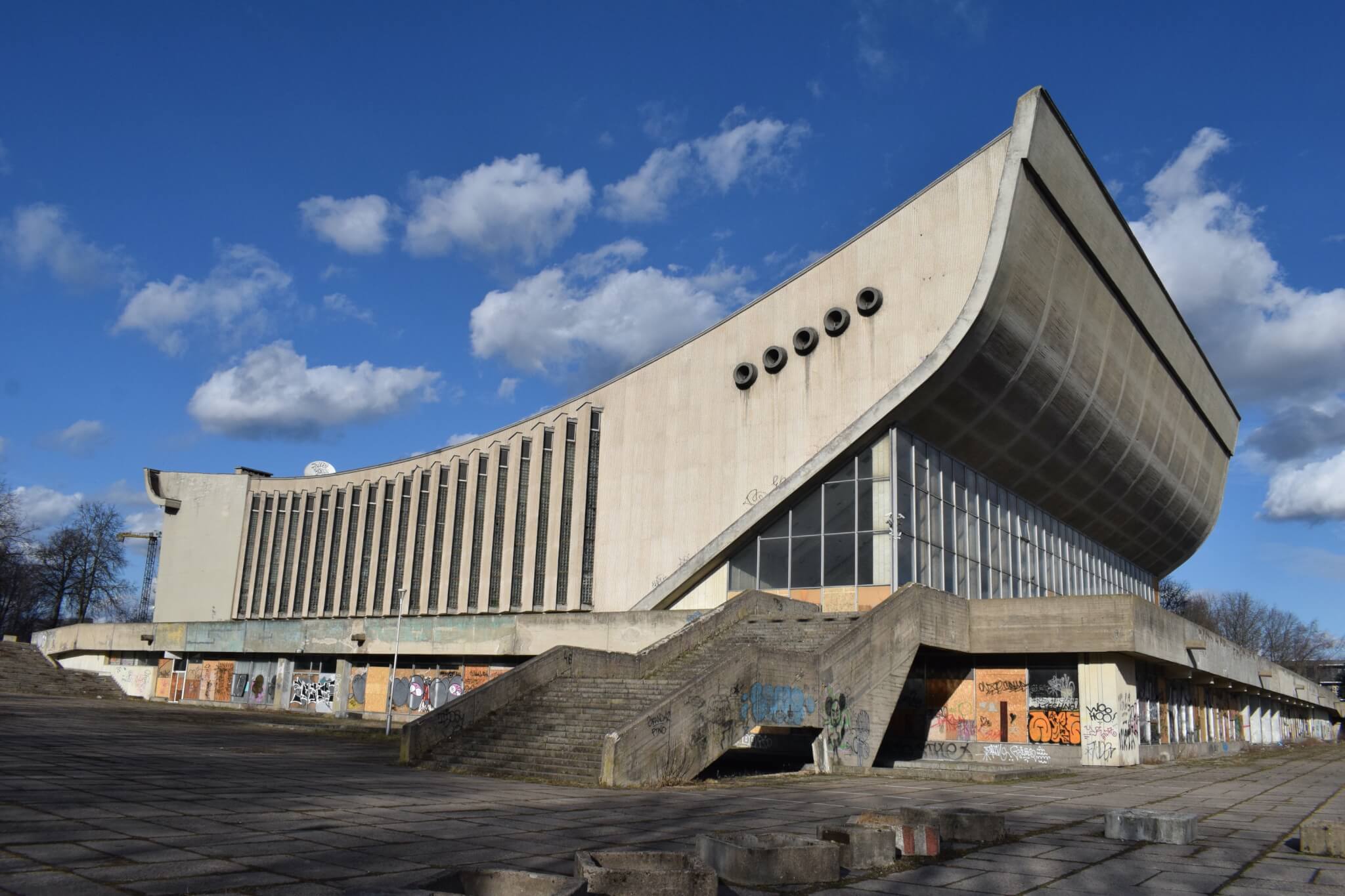
The Palace of Concerts and Sports

Rinktinės g. 1

Duration
2.25 h Without going inside 3 h With going inside
Distance
8,50 km
Means of travel
On foot
Terrain
Easy
Accessiblefor people with reduced mobility

Disabled people, parents with children in wheelchairs can pass, except on the slopes of Neris. The relief is flat, but the condition of the sidewalks may limit it if it is not ideal.

Pet friendly
Additional information

Pets are allowed, except for indoor attractions.

The route was compiled and the texts written by ‘Gatvės gyvos’. Photos by Vytautė Ribokaitė, Saulius Žiūra and ‘Gatvės gyvos’.

1. The Palace of Concerts and Sports

The era of multi-purpose sports arenas began in the USSR in the 1950s. Following this trend, in…

2. The Public Prosecutor’s Office

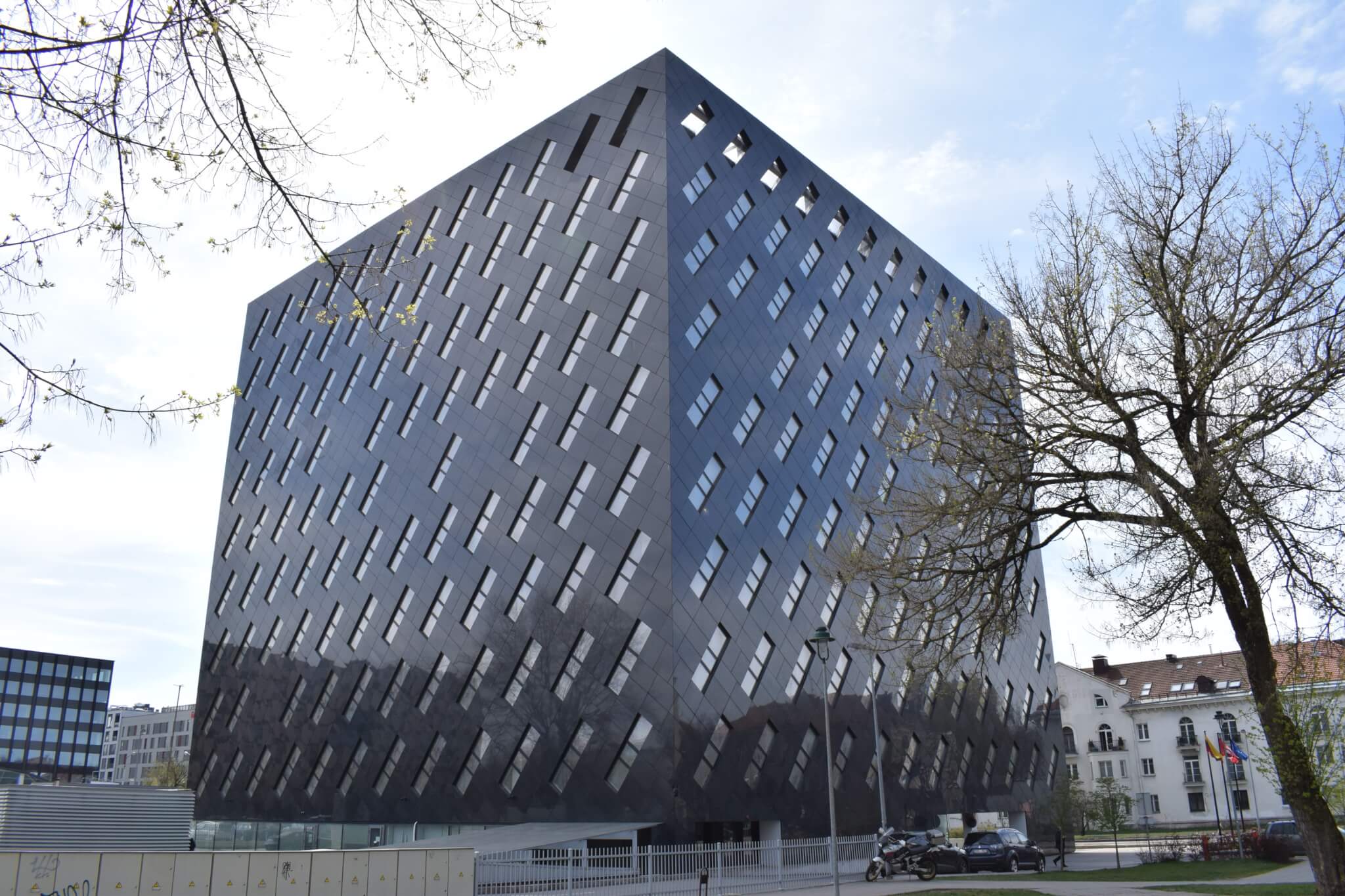
In 2006-2008, the administrative building of the Chamber of Public Prosecutors was erected along…

3. Officers’ House

Due to the difficult geopolitical situation, the Polish state, which ruled Vilnius between the…

4. ‘Minsk’

The friendship between the cities that developed during the Soviet era left an interesting trace in…

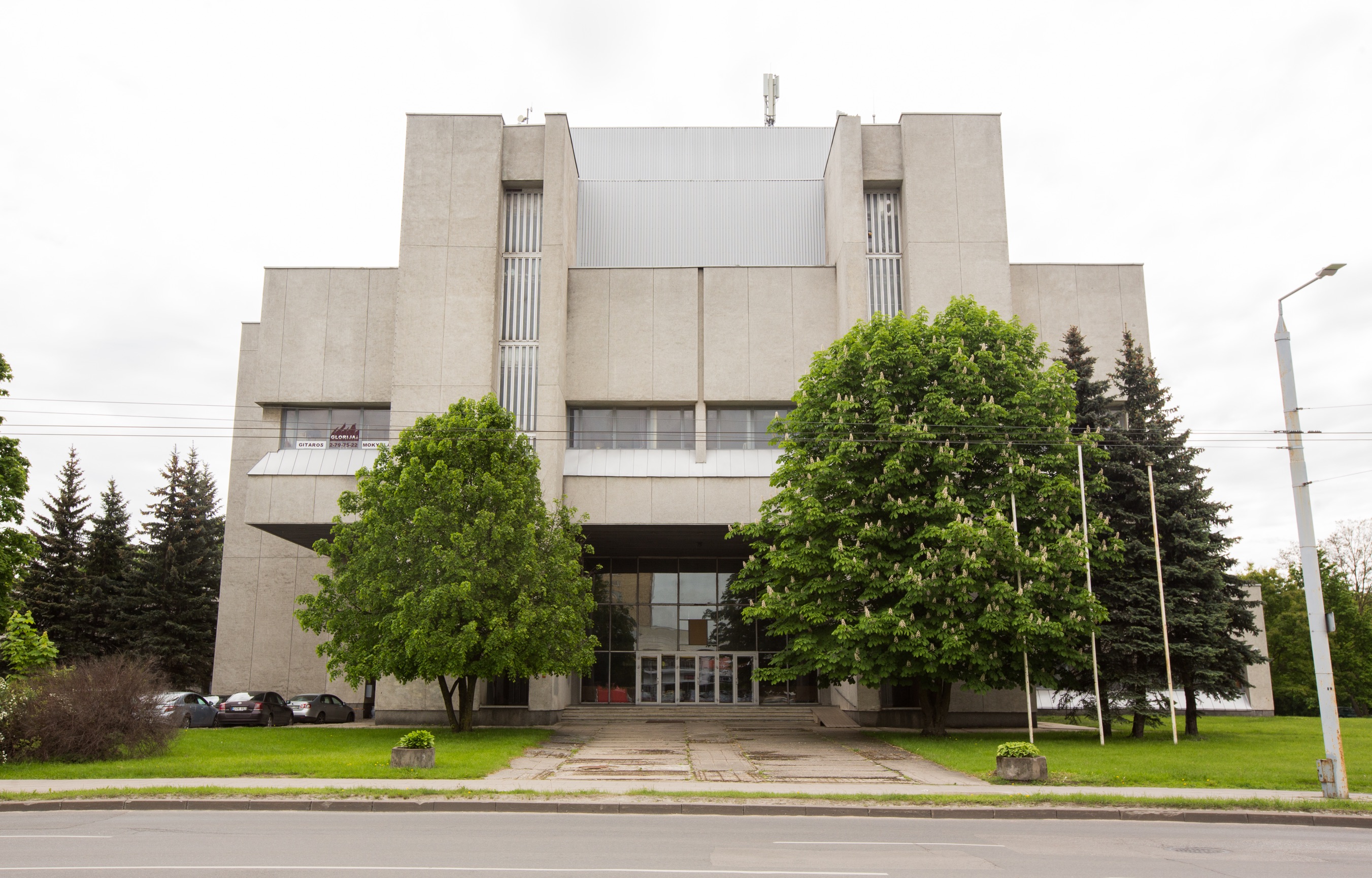
5. The Palace of Culture and Sports of the Ministry of the Interior

In 1974-1982, at the beginning of Žirmūnų Street, the Palace of Culture and Sports, which belonged…

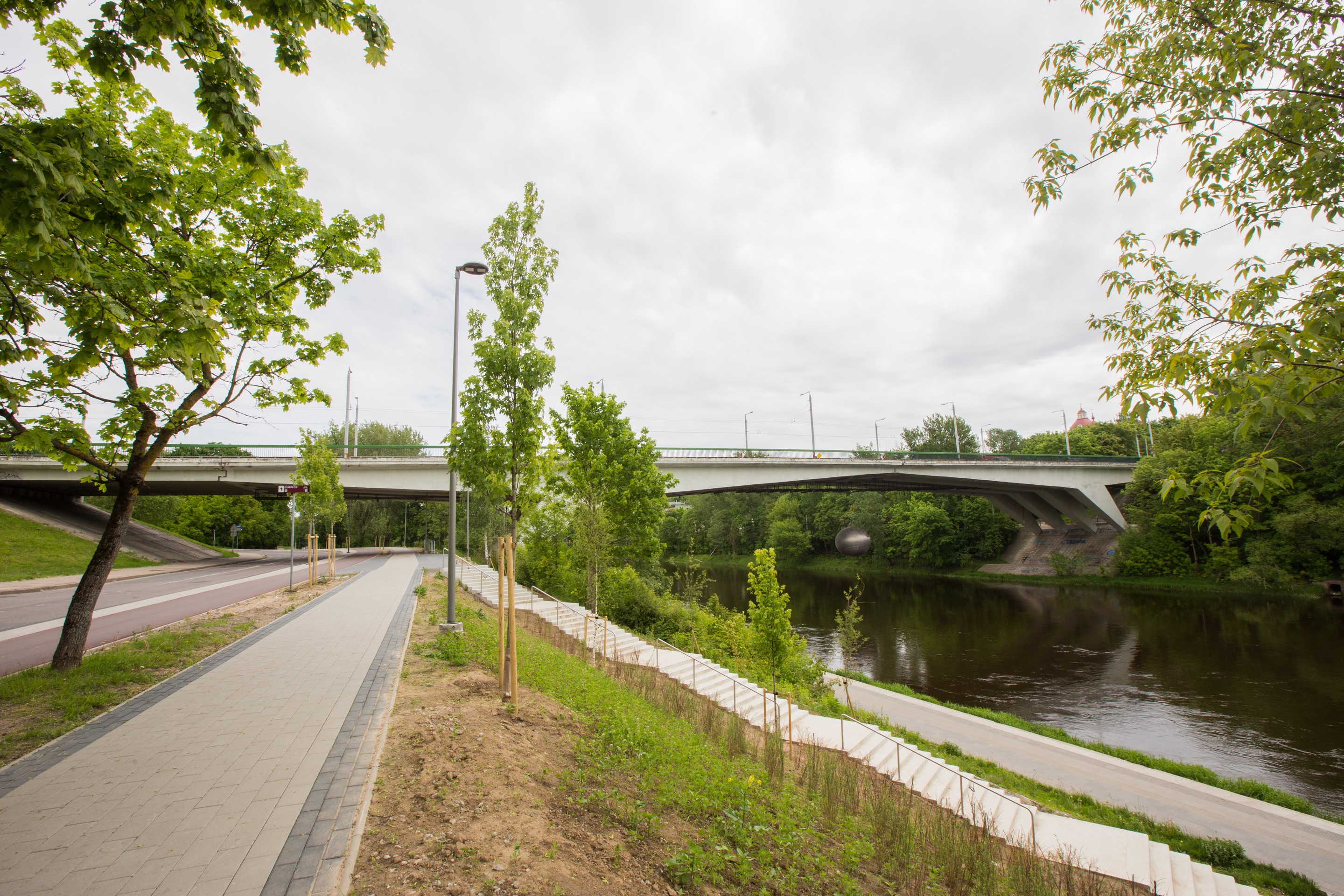
6. Žirmūnai Bridge

Bridges have been complex and expensive structures from time immemorial to the present day. But…

7. Tuskulėnų Memorial Park

In the 16th century, a manor known as Derewnictwa or Horodnictwa was established in the area, which…

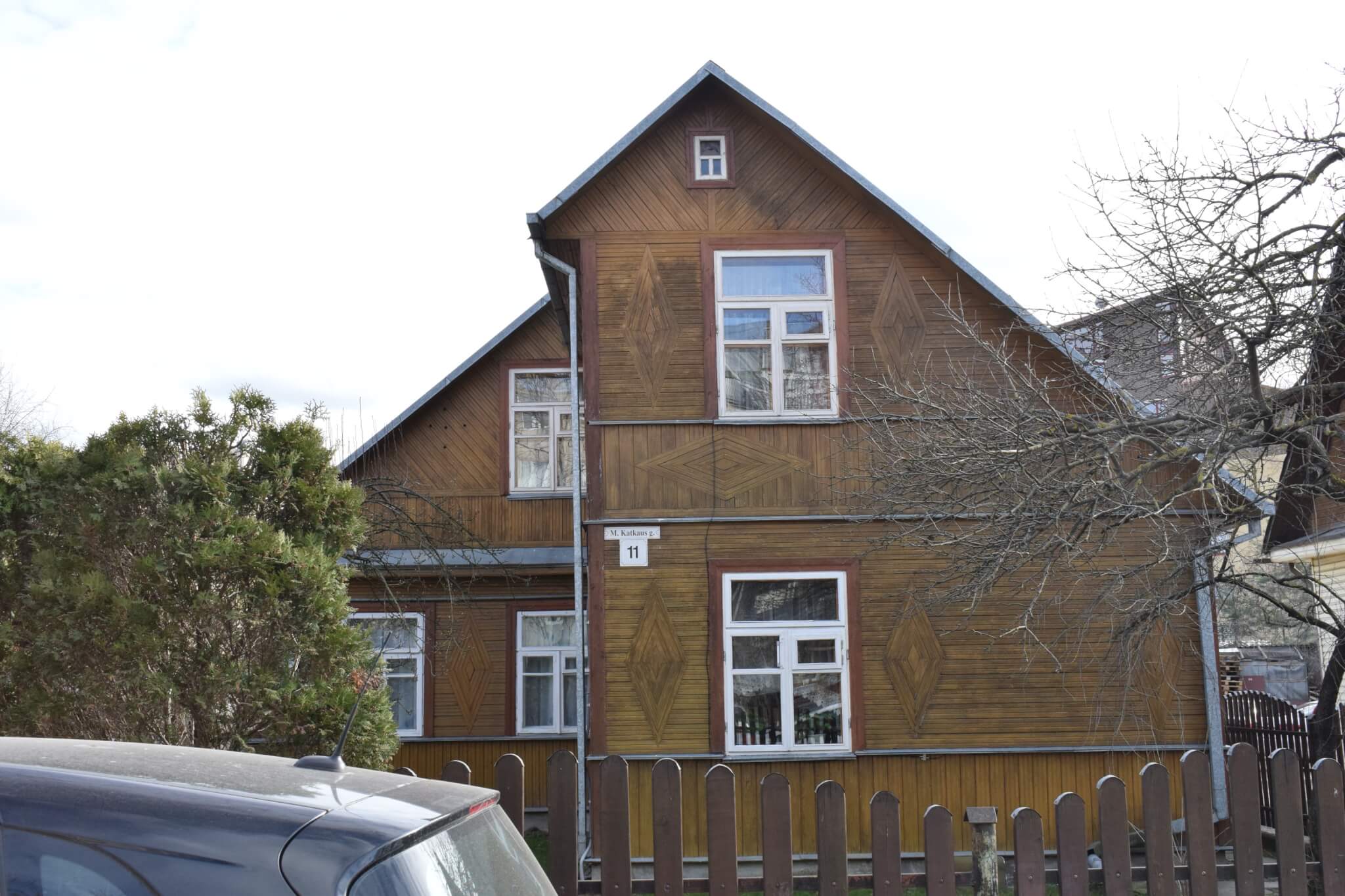
8. M. Katkaus Street

Although Žirmūnai is dominated by apartment buildings that were constructed at around the same time…

9. Šiaurės miestelis

The present-day Šiaurės miestelis (Northern Town) was used as a training ground by the army of the…

10. The Winter Harbour

In 1925-1927, a small inlet was dug on the right bank of the Neris at the initiative of a private…

11. The Sculpture ‘Joy’

The sculpture ‘Joy’, sometimes called ‘Žirmūnų baranka’, created by the sculptor K. Kisielis in…

12. Žirmūnų Beach

One of the most important advantages enjoyed by the first settlers of Žirmūnai in the 1970s was the…