Pašilaičiai - Neakivaizdinis Vilnius
Eiti prie pagrindinio turinio
Neakivaizdinis Vilnius Neakivaizdinis Vilnius
Vilnius Districts studies

Pašilaičiai

A district of exclusive blocks of flats and film sets for music stars

At the beginning of the 1980s, the area where Pašilaičiai is now consisted of the villages of Pašilaičiai and Pavilioniai. Today’s Pašilaičiai is a child of ‘perestroika’ and of the first decades of independence.

The first blocks were built in the fields of Pašilaičiai village in the spring of 1986. The buildings were designed by K. Balėnas, G. Balėnienė, D. Ruseckas, A. Leckienė, S. Garuckas, and others.
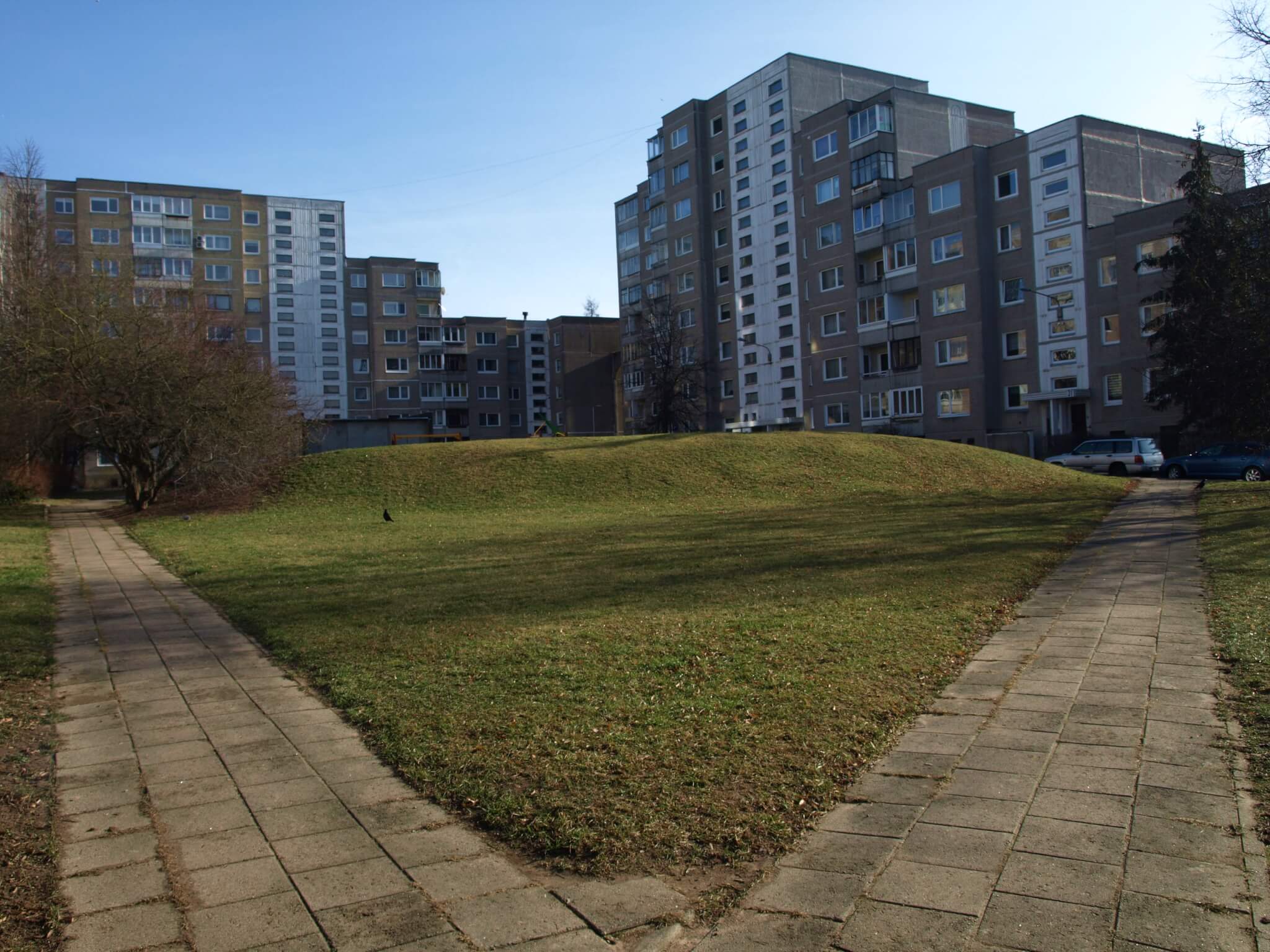
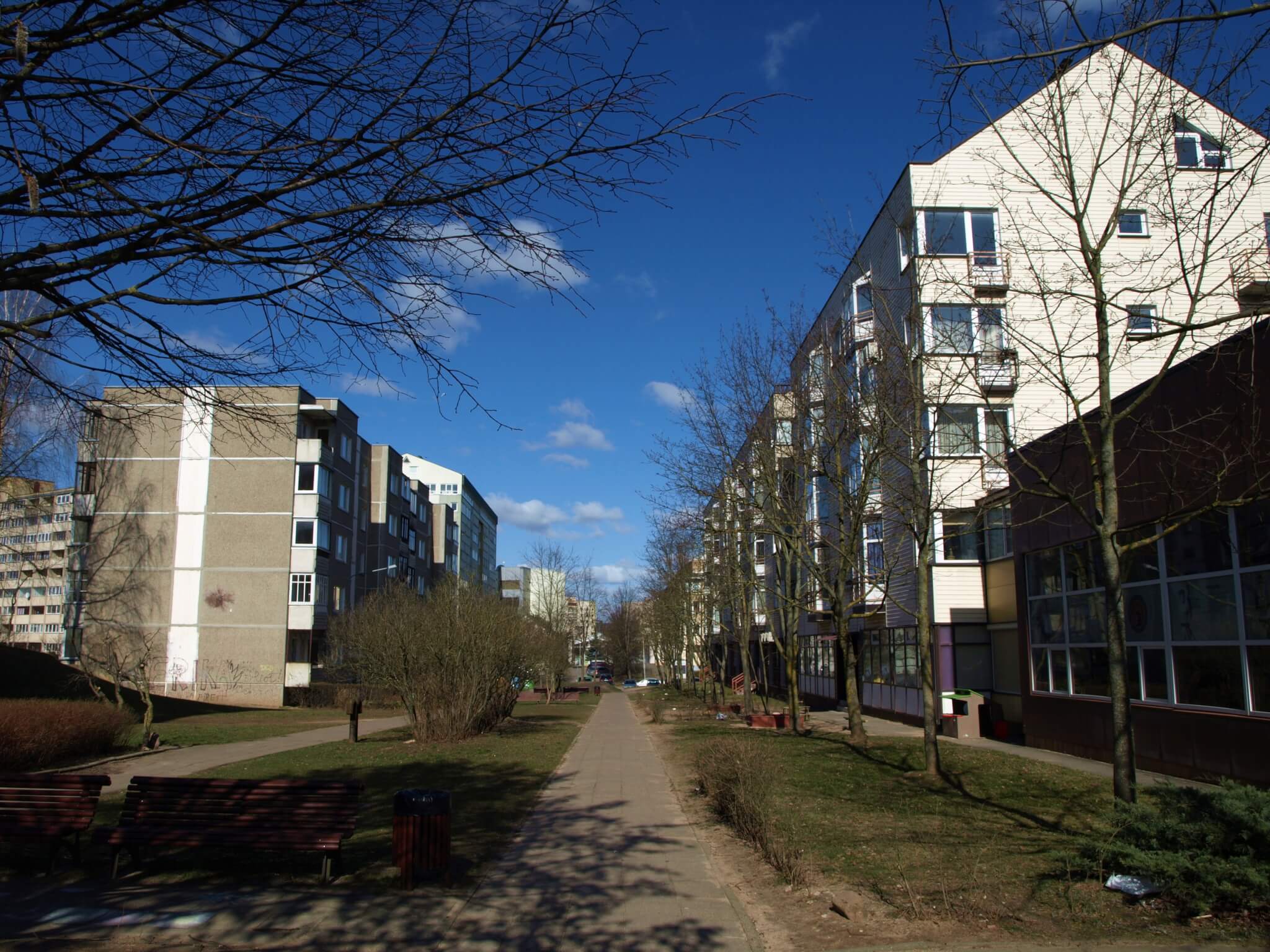
It was a very different residential area from the previous ones. For the first time, in Pašilainiai, staggered high-rise blocks were built: in the centre of each block were nine-storey blocks, while on the edges of each section, the stairwells of the next section staggered down to five or even three storeys. Three of the districts are located within the circular ring-shaped streets (the first one on Žemynos Street, the second on Medeinos Street, and the third on Gabijos Street), while the fourth monolithic one (Pašilaičių Street) is located in flatter territory built on the perimeter principle. The latter is exceptional in general – it was the first time that mass-produced blocks of flats had been planned. A little further away from these buildings that were built between 1985 and 1990 is the area of Pašilaičiai between Laisvės pr. and Ukmergės g., which was built up after 1993. The first ‘western’ shopping centre ‘Pas Juozapą’ was built there. At that time, there was very little construction work in the city; it had really only occurred in the suburbs where individual houses were built, so these new blocks of flats were considered prestigious, just like the blocks of flats in Pašilaičiai.

What will you learn and see if you choose this route?

  • What distinguishes Pašilaičiai from other residential areas of Vilnius?
  • What are the places that have made Pašilaičiai part of the history of Lithuanian popular and rock music?
  • Which Vilnius shopping centre was the most westernised in the 1990s?
Start location

Unity of Nations Park
Gabijos g. 3

Duration
1.30 h Without going inside
Distance
4,50 km
Means of travel
On foot
Terrain
Medium
Pet friendly
Additional information
  •  Not recommended for disabled people, parents with children in pushchairs due to the hilly terrain and steep stairs.
  • Suitable with pets, except when inside buildings

 Routed by Artūras Savko; photos by Artūras Savko, Vytautė Ribokaitė

1. ‘Gabijos’ gymnasium

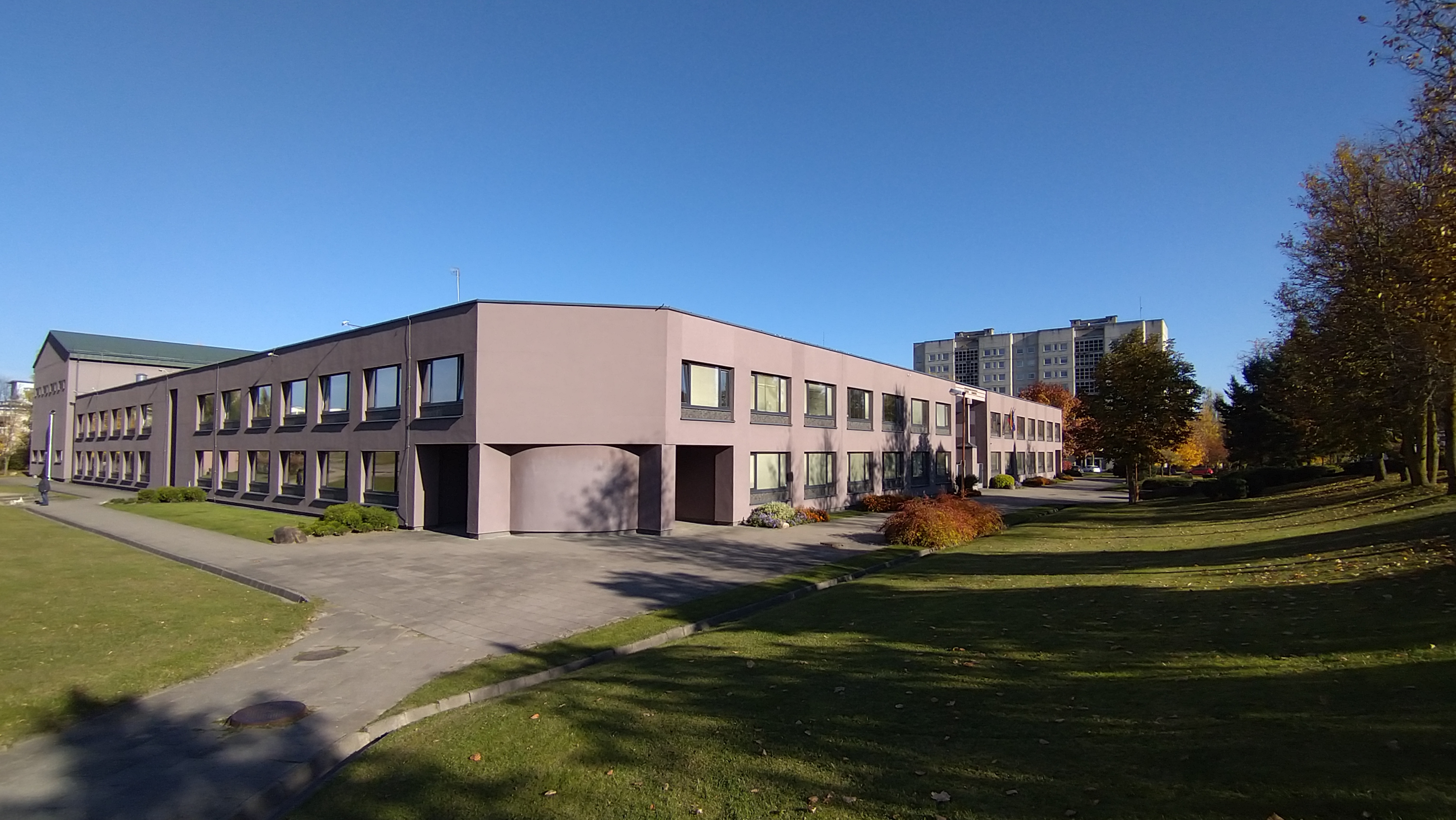
In the 1980s, the architect Sigitas Kuncevičius, constructor Sergejus Mikhailovas, and chief…

2. Unity of Nations Park

To commemorate the death of Polish President Lech Kaczynski and other high-ranking Polish…

3. Staggered blocks of flats

Pašilaičiai was the first neighbourhood to construct staggered blocks of flats built to the 120V…

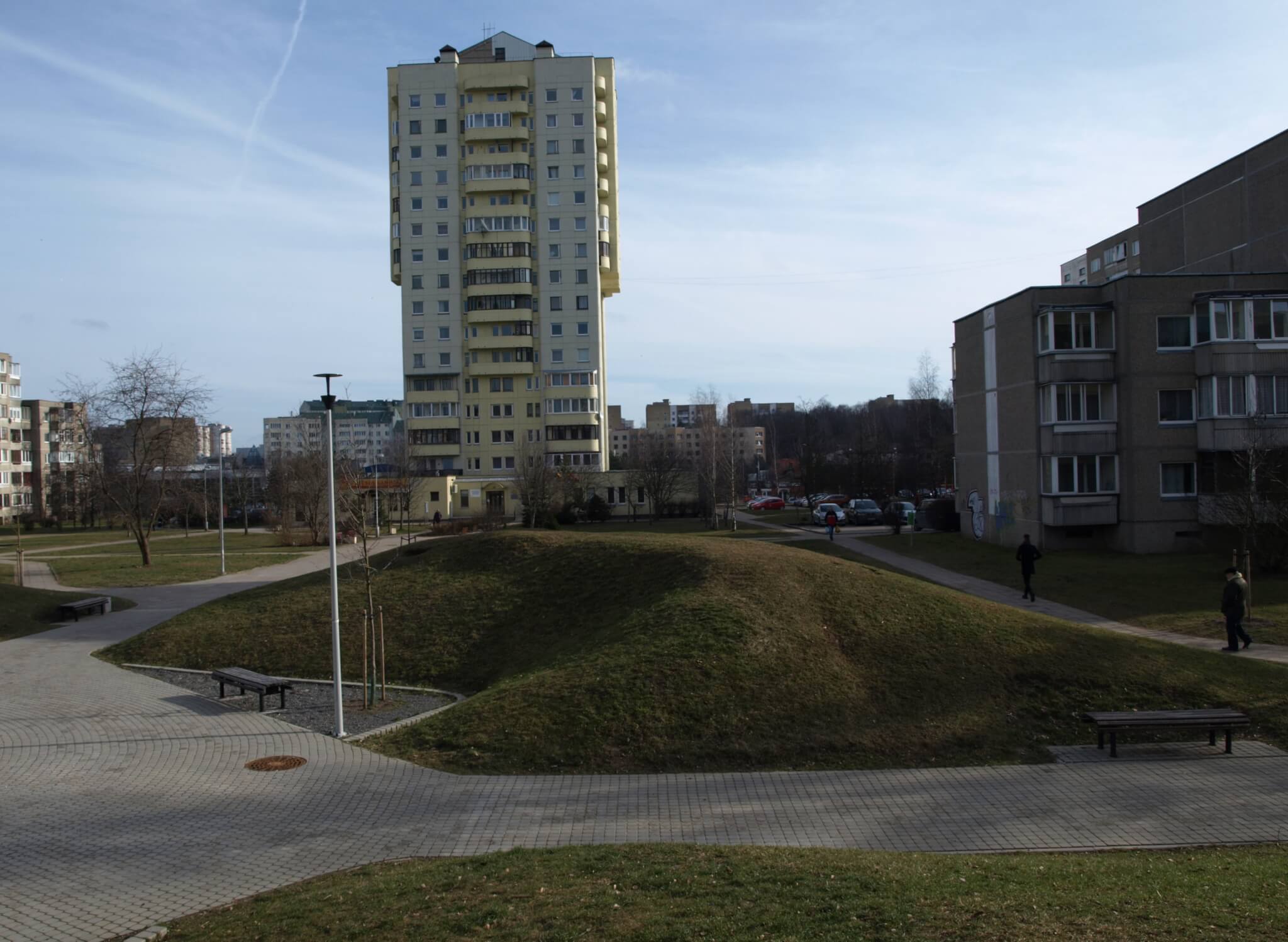
4. Courtyards of the large-panel blocks in Pašilaičiai

Almost every courtyard in all three block districts of Pašilaičiai has artificial hills, which are…

5. Poplar Alley

In the centre of Pašilaičiai, there are two old poplar avenues that mark the path of the former…

6. Pašilaičiai Shopping Centre and Ugnija Square

Designed by architect Stasys Garuckas, the shopping centre ‘Pašilaičiai’ opened its doors in 1986.…

7. Pašilaičiai monolithic micro-district and its yards

Walking from Ugnija Square to the courtyards of monolithic blocks, you will imagine why this…

8. Žemynos Square

A recreational space was planned in each of the Pašilaičiai micro-districts – for Žemynos g., a…

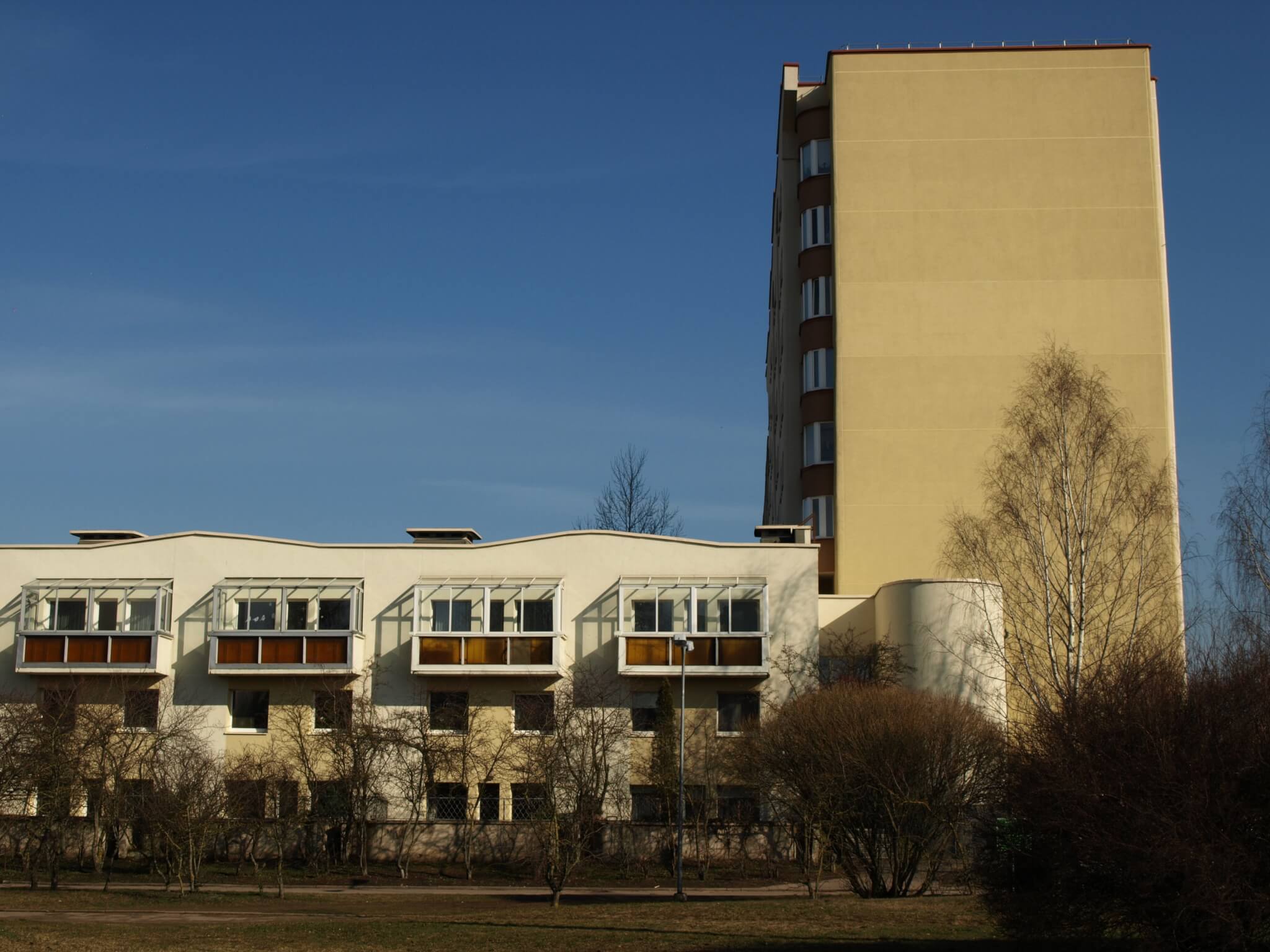
9. Monolithic 16-storey block

Monolithic 16-storey blocks of flats (architect R. Beinortas and designer J. Sidaravičius) were…

10. Salzburg Avenue

Since 1989, Vilnius has been twinned with Salzburg, Austria’s fourth largest city. To mark…

11. Commercial and residential centre between Laisvės pr. and Ukmergės g.

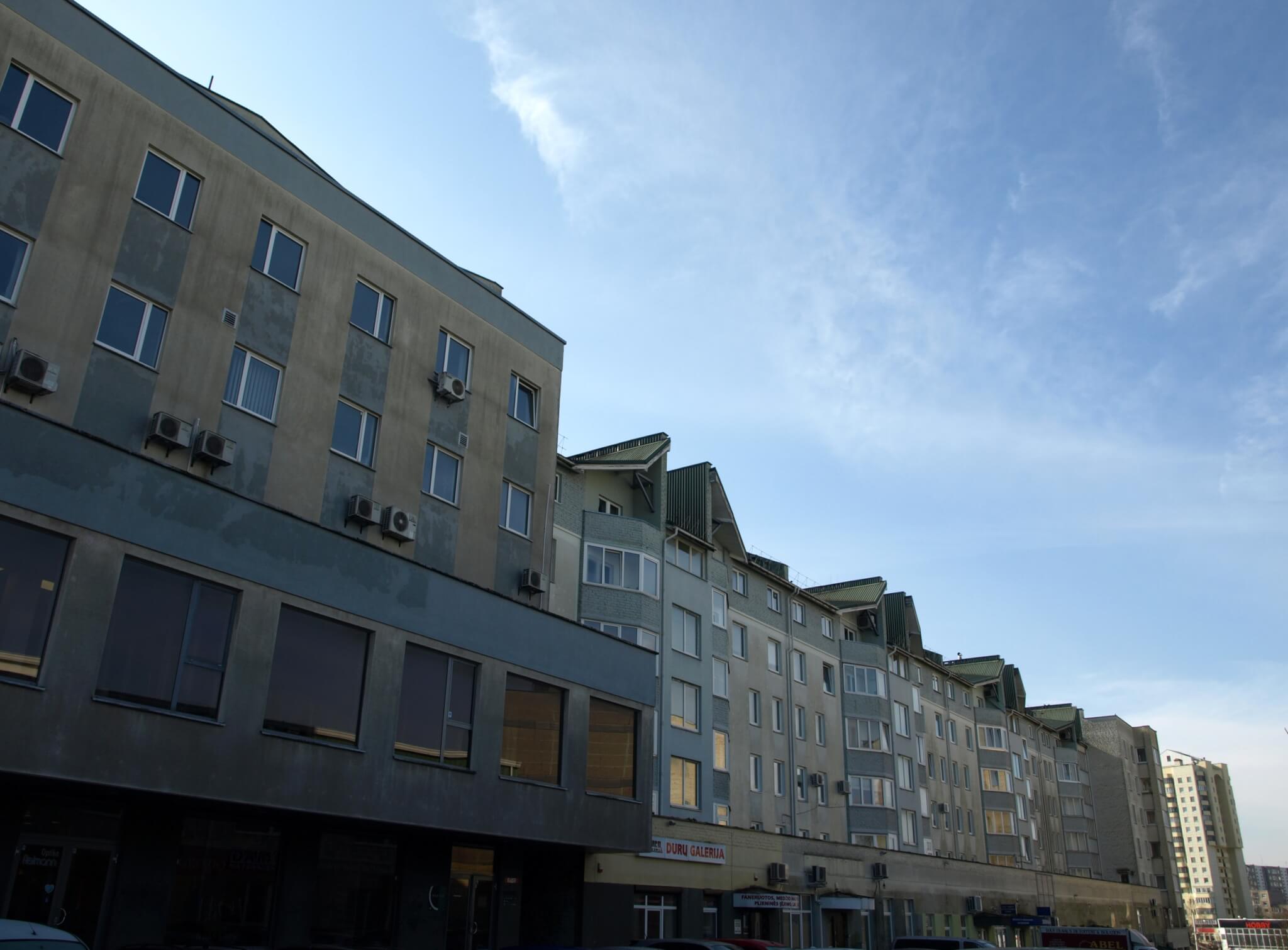
It was built in 1992-1993, and at that time, it had a large paved area, convenient for access and…

12. ‘Pas Juozapą’ Shopping Centre

Built in several stages between 1994-1998, the ensemble was a true symbol of the westernisation of…